 English
 中文简体
中文简体 عربى
عربى
Contact Us




founded in 2006, is an enterprise focusing on the R&D, manufacturing, and customization of non-standard bearings, high-precision bearings (import substitution), and bearing accessories and mechanical parts. With more than 30 years of technical design experience, FTM has earned an excellent reputation in the field of high-quality bearings. Our professional technical team provides domestic and foreign customers with high-quality bearing solutions in engineering machinery, textile machinery, and other fields.
News Directory
Author: FTM
Date: Apr 03, 2026
Ball Bearings: Types, Applications, Trends and Maintenance Guide 2026
Introduction to Ball Bearings
Ball bearings are essential rolling-element bearings widely used in various industrial sectors to facilitate smooth rotary motion, reduce friction, and support radial and axial loads. As a core component in machinery and equipment, ball bearings play a crucial role in improving operational efficiency, extending equipment service life, and reducing energy consumption. From automotive engines and industrial machinery to medical equipment and household appliances, ball bearings are indispensable in modern manufacturing and daily life.
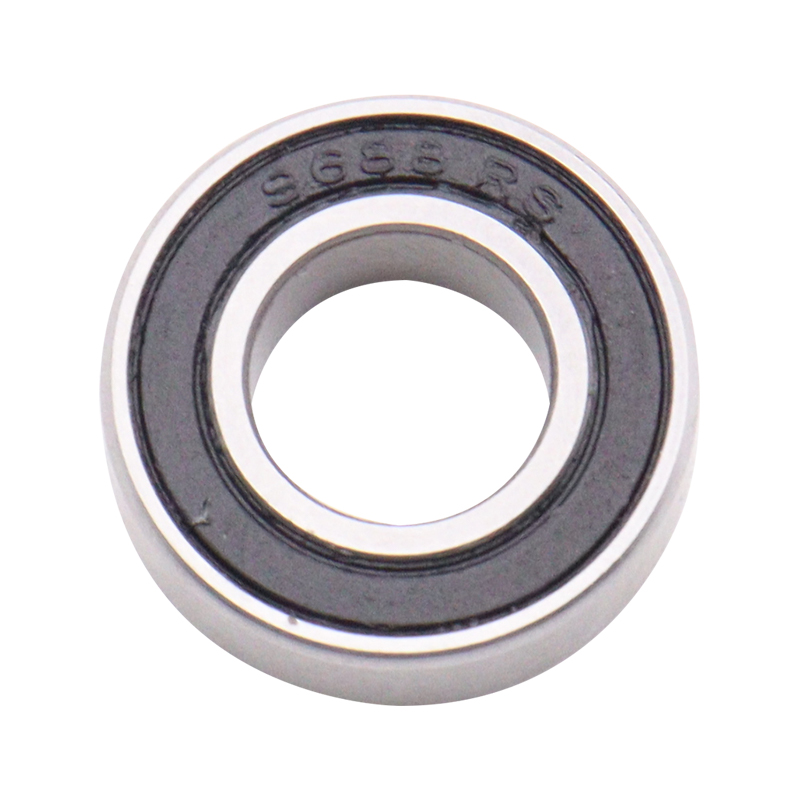
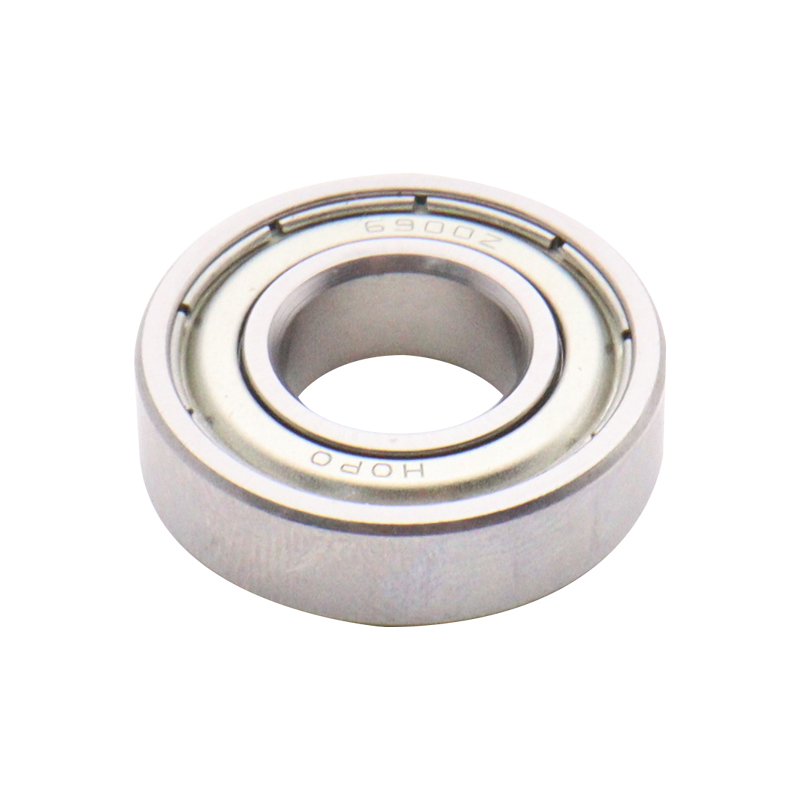
A standard ball bearing consists of four main components: inner race, outer race, rolling balls, and a cage (or retainer). The inner race is attached to the rotating shaft, while the outer race is mounted in the housing. The rolling balls, placed between the two races, minimize surface contact and friction during rotation, allowing for efficient motion transmission. The cage maintains a uniform distance between the balls, preventing them from rubbing against each other and ensuring stable operation.
Common Types of Ball Bearings and Their Characteristics
There are various types of ball bearings, each designed to meet specific application requirements based on load capacity, speed, alignment, and environmental conditions. The following table summarizes the most common types, their key characteristics, and typical applications:
| Ball Bearing Type | Key Characteristics | Typical Applications |
|---|---|---|
| Deep Groove Ball Bearings | Can handle both radial and light axial loads, high rotational speed, simple structure, low cost, easy installation | Electric motors, pumps, fans, household appliances, automotive wheels |
| Angular Contact Ball Bearings | Designed for combined radial and axial loads, high precision, suitable for high-speed applications, available in different contact angles | Machine tools, turbines, aerospace equipment, automotive transmissions |
| Thrust Ball Bearings | Specialized for axial loads (thrust loads), low radial load capacity, available in single-direction and double-direction types | Automotive transmissions, steering systems, heavy machinery, centrifugal pumps |
| Self-Aligning Ball Bearings | Compensates for shaft misalignment and deflection, handles radial and light axial loads, low friction | Agricultural machinery, textile equipment, conveyor systems, pumps with misalignment issues |
| Hybrid Ball Bearings | Ceramic balls and metal races, high speed, low temperature rise, corrosion resistance, long service life | High-speed motors, medical equipment, aerospace, harsh environment applications |
Key Applications of Ball Bearings in Major Industries
1. Automotive Industry
The automotive industry is one of the largest consumers of ball bearings. Ball bearings are used in various components, including engines, transmissions, wheels, steering systems, and air conditioning compressors. For example, deep groove ball bearings are used in electric vehicle motors to ensure high-speed rotation and low energy loss, while angular contact ball bearings are applied in transmissions to handle combined loads and maintain precision.
2. Industrial Machinery
In industrial machinery, ball bearings are critical for the operation of pumps, compressors, gearboxes, machine tools, and conveyor systems. Machine tools require high-precision angular contact ball bearings to ensure accurate machining, while self-aligning ball bearings are widely used in conveyor systems to accommodate shaft misalignment caused by long-distance operation.
3. Medical Equipment
Medical equipment, such as diagnostic machines, surgical instruments, and medical pumps, requires high-precision, low-noise ball bearings. Hybrid ball bearings with ceramic balls are often used in these applications due to their corrosion resistance, high speed, and low vibration, ensuring the reliability and accuracy of medical equipment.
4. Aerospace and Defense
Aerospace and defense applications demand ball bearings with extreme precision, high temperature resistance, and long service life. Angular contact ball bearings and hybrid ball bearings are used in aircraft engines, landing gear, and missile systems, where they must withstand harsh conditions such as high speeds, extreme temperatures, and heavy loads.
2026 Industry Trends in Ball Bearings
The ball bearing industry is constantly evolving to meet the growing demands of modern manufacturing and emerging technologies. Here are the key trends shaping the industry in 2026:
1. Smart Ball Bearings Integration
With the development of the Industrial Internet of Things (IIoT), smart ball bearings embedded with sensors are becoming increasingly popular. These sensors can monitor temperature, vibration, and load conditions in real time, enabling predictive maintenance and reducing equipment downtime. Smart ball bearings are widely used in high-value equipment such as wind turbines, industrial robots, and aerospace systems.
2. Material Innovation
Material innovation is a key focus in the ball bearing industry. High-nitrogen stainless steel, metal matrix composites, and diamond-like carbon coatings are being used to improve the wear resistance, corrosion resistance, and fatigue life of ball bearings. Ceramic balls, made of silicon nitride, are gaining traction in high-speed and harsh environment applications due to their lightweight, high hardness, and low friction properties.
3. Green Manufacturing and Sustainability
Sustainability has become a priority for manufacturers worldwide. The ball bearing industry is adopting green manufacturing practices, such as using recycled materials, reducing energy consumption during production, and improving the recyclability of ball bearings. Additionally, low-friction ball bearings are being developed to reduce energy loss in machinery, contributing to carbon emission reduction.
4. Growing Demand in Electric Vehicles (EVs)
The rapid growth of the electric vehicle market is driving the demand for high-performance ball bearings. EV motors require ball bearings with high speed, low noise, and long service life to ensure efficient operation. Hybrid ball bearings and deep groove ball bearings are widely used in EV motors, and manufacturers are developing specialized ball bearings to meet the unique requirements of electric vehicles.
Maintenance Tips for Ball Bearings to Extend Service Life
Proper maintenance is essential to extend the service life of ball bearings and ensure the reliable operation of equipment. Here are some key maintenance tips:
1. Regular Lubrication
Lubrication is critical to reduce friction and wear between the rolling balls and races. Choose the appropriate lubricant (grease or oil) based on the application's speed, temperature, and load conditions. Regularly check the lubricant level and replace it when it becomes contaminated or degraded.
2. Contamination Control
Contamination by dust, dirt, and moisture is a major cause of ball bearing failure. Use seals or shields to prevent contaminants from entering the bearing. Regularly clean the bearing and its surrounding area to remove debris and ensure a clean operating environment.
3. Proper Installation
Improper installation can cause damage to ball bearings and reduce their service life. Use the correct tools and techniques to install the bearing, ensuring proper alignment between the shaft and housing. Avoid applying excessive force to the races, as this can cause deformation and premature failure.
4. Regular Inspection
Regularly inspect ball bearings for signs of wear, damage, or abnormal vibration. Use tools such as vibration analyzers and temperature sensors to monitor the bearing's condition. Replace worn or damaged bearings promptly to prevent equipment breakdown.
Frequently Asked Questions (FAQ) About Ball Bearings
1. What is the main function of a ball bearing?
The main function of a ball bearing is to reduce rotational friction between moving parts, support radial and axial loads, and facilitate smooth and efficient motion transmission in machinery and equipment.
2. How to choose the right type of ball bearing for my application?
To choose the right ball bearing, consider factors such as the type of load (radial, axial, or combined), rotational speed, operating temperature, alignment requirements, and environmental conditions. Refer to the bearing manufacturer's specifications and consult with industry experts if needed.
3. What causes ball bearings to fail prematurely?
Common causes of premature ball bearing failure include inadequate lubrication, contamination by dust or moisture, improper installation, misalignment, overloading, and excessive operating temperature. Regular maintenance and proper handling can help prevent these issues.
4. Are ceramic ball bearings better than steel ball bearings?
Ceramic ball bearings offer several advantages over steel ball bearings, including lighter weight, higher hardness, lower friction, corrosion resistance, and higher speed capability. However, they are more expensive and may not be necessary for all applications. The choice depends on the specific requirements of the application.
5. How often should ball bearings be lubricated?
The lubrication interval depends on the application's operating conditions, including speed, temperature, load, and environmental contamination. In general, ball bearings should be lubricated every 100 to 500 operating hours, but it is recommended to follow the manufacturer's guidelines for specific applications.
References
1. ISO 281:2007, Rolling Bearings — Dynamic Load Ratings and Rating Life
2. ASTM F2953-12 (2021), Standard Specification for Phenolic Raw Materials for the Use in Bearing Cages
3. Global and China Ball Bearing Market Research Analysis and Development Trend Report (2026-2032)
4. Design and Operating Characteristics of High-Speed, Small-Bore, Angular-Contact Ball Bearings, NASA TM-1998-206981
5. ANSI/ABMA Std. 20, Radial Bearings of Ball
Selected Bearing Display

 Download Catalog
