 English
 中文简体
中文简体 عربى
عربى
Contact Us




founded in 2006, is an enterprise focusing on the R&D, manufacturing, and customization of non-standard bearings, high-precision bearings (import substitution), and bearing accessories and mechanical parts. With more than 30 years of technical design experience, FTM has earned an excellent reputation in the field of high-quality bearings. Our professional technical team provides domestic and foreign customers with high-quality bearing solutions in engineering machinery, textile machinery, and other fields.
News Directory
Author: FTM
Date: Dec 19, 2025
Bearings vs. Bushings: Understanding the Differences and Choosing the Right One
1. Introduction
In the world of mechanical engineering and industrial manufacturing, managing friction is the key to longevity and efficiency. To achieve this, two primary components are utilized: bearings and bushings. While they are often mentioned in the same breath, they serve different operational needs and offer distinct performance characteristics.
Choosing the wrong component can lead to premature equipment failure, increased maintenance costs, and operational downtime. This article provides an in-depth comparison of bearings and bushings, exploring their functionality, advantages, and specific use cases to help you make an informed decision for your next project.
2. What are Bearings?
A bearing is a precision-engineered mechanical component designed to reduce friction between moving parts, typically supporting a rotating shaft. Unlike a simple sleeve, a “rolling-element” bearing uses balls or rollers that roll between two surfaces (the inner and outer races), significantly reducing rotational friction compared to sliding.
How Bearings Work
The fundamental principle of a bearing is to replace sliding friction with rolling friction. Because the contact area of a rolling element is much smaller than a sliding surface, heat buildup is minimized, and higher rotational speeds can be achieved safely.
Primary Types of Bearings
Below is a breakdown of the most common bearing types manufactured for industrial use:
| Bearing Type | Description | Key Advantages | Common Applications |
|---|---|---|---|
| Ball Bearings | Uses spherical balls to maintain separation between races. | Handles both radial and axial loads; low friction. | Electric motors, household appliances, bicycles. |
| Roller Bearings | Uses cylindrical rollers instead of balls. | Higher radial load capacity due to more surface contact. | Conveyor rolls, heavy machinery, transmissions. |
| Needle Bearings | Features long, thin rollers (needle-like). | High load capacity with a very low profile (small diameter). | Automotive engines, pumps, power tools. |
| Thrust Bearings | Designed specifically to handle loads parallel to the shaft. | Exceptional axial load management. | Car gearboxes, steering mechanisms, heavy-duty pivots. |
Common Applications
Bearings are the backbone of modern machinery. You will find them in:
- Automotive: Wheel hubs, alternators, and transmissions.
- Aerospace: Jet engines and flight control systems.
- Industrial Machinery: CNC machines, factory robots, and assembly lines.
- Energy: Wind turbine rotors and hydroelectric generators.
3. What are Bushings?
A bushing, also known as a plain bearing, is the simplest form of a bearing. Unlike rolling-element bearings, bushings have no internal moving parts. They consist of a hollow cylinder (a sleeve) designed to support a shaft and reduce friction through sliding motion rather than rolling.
How Bushings Work
Bushings operate on the principle of sliding friction. The shaft slides directly against the inner surface of the bushing. To minimize wear and heat, bushings are typically made of “soft” or self-lubricating materials that allow the harder shaft to rotate or slide smoothly. They are particularly effective for oscillating movements or applications where space is limited.
Types of Bushings
Bushings are categorized primarily by their shape and the materials used in their construction:
| Bushing Type | Description | Key Advantages | Common Materials |
|---|---|---|---|
| Plain Bushings | A simple straight cylinder, also known as a sleeve bearing. | Compact design; easy to install and replace. | Bronze, Brass, Graphite. |
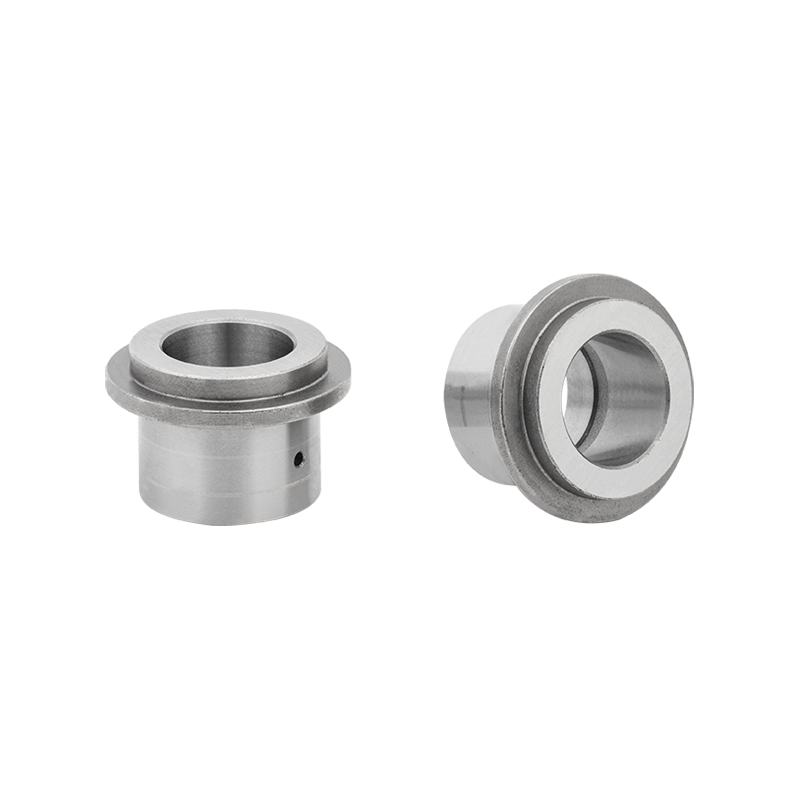
| Flanged Bushings | Includes a “rim” or flange at one end of the cylinder. | Can handle axial loads and aids in positioning/mounting. | Bronze, Nylon, PTFE. |
| Sleeve Bushings | Often used interchangeably with plain bushings; designed for linear or rotary motion. | High vibration dampening; very cost-effective. | Composite materials, Sintered Iron. |
Common Materials for Bushings
The performance of a bushing is heavily dependent on its material:
- Bronze: Highly durable and capable of carrying heavy loads; often requires external lubrication.
- Sintered Metals: Porous metals (like oil-impregnated bronze) that hold lubricant within the material itself.
- Polymers (Nylon/PTFE): Ideal for “dry” environments where external oil or grease cannot be used; excellent chemical resistance.
Common Applications
Bushings are preferred in environments where simplicity and durability are prioritized over high speed:
- Automotive Suspensions: Control arm bushings that absorb road shock and vibration.
- Hinges: Door hinges or heavy-duty gate pivots.
- Agriculture: High-load, low-speed pivots on tractors and plows.
- Consumer Goods: Low-cost appliances, hand tools, and fitness equipment.
4. Key Differences Between Bearings and Bushings
While both components are used to manage motion, their internal physics and operational limits differ significantly. Understanding these six key factors is essential for ensuring the longevity of your equipment.
1. Friction and Heat Generation
- Bearings: Utilize rolling friction. Because the contact point between the balls/rollers and the races is very small, friction is minimal. This allows for high-speed rotation with very little heat buildup.
- Bushings: Utilize sliding friction. The entire surface of the shaft interacts with the inner diameter of the bushing. This creates more friction, which usually limits the component to lower speeds to prevent overheating.
2. Load Capacity
- Bearings: Generally better for handling high-speed loads. However, because the load is concentrated on small points (the balls), they can be susceptible to “brinelling” (permanent indentation) under extreme shock loads.
- Bushings: Have a much larger surface contact area. This allows them to distribute heavy weights more evenly, making them superior for high-load, low-speed applications or environments with high vibration and shock.
3. Speed Capabilities
- Bearings: Designed for high RPM (Revolutions Per Minute). The rolling elements are engineered to spin rapidly without significant wear.
- Bushings: Best suited for low-speed or oscillating (back-and-forth) movements. High speeds in a bushing can lead to rapid wear due to the constant sliding contact.
4. Maintenance and Lubrication
| Feature | Bearings | Bushings |
|---|---|---|
| Lubrication Need | High; requires consistent oil or grease. | Low; many are self-lubricating. |
| Sealing | Often require seals to keep dust out. | Generally more tolerant of dirt/dust. |
| Service Life | Longer if maintained, but failure is often sudden. | Wear is gradual and easier to monitor. |
5. Cost and Economic Impact
- Bearings: More expensive due to the complex assembly of multiple precision parts (inner race, outer race, cage, and rolling elements).
- Bushings: Significantly more cost-effective. They are simple to manufacture and easy to replace, making them the budget-friendly choice for non-critical or low-speed joints.
6. Design Complexity and Space
- Bearings: Require more space (larger housing) and precise alignment. Misalignment in a ball bearing can lead to rapid failure.
- Bushings: Very compact and “thin-walled.” They can fit into tight spaces where a traditional bearing would be too bulky. They are also more “forgiving” of slight shaft misalignments.
5. Advantages and Disadvantages
Every mechanical design involves trade-offs. While bearings offer high-speed performance, bushings provide unmatched simplicity. Below is a detailed breakdown of the pros and cons of each.
Bearings (Rolling-Element)
Bearings are the go-to choice for precision and efficiency in high-performance machinery.
Advantages:
- Low Starting Friction: Because they use rolling elements, they require very little torque to start moving.
- High-Speed Capability: Capable of handling thousands of RPMs without excessive heat generation.
- Standardization: Bearings are manufactured to strict international standards (ISO/ANSI), making them easy to source and replace globally.
- High Radial and Axial Loads: Depending on the type (like tapered roller bearings), they can handle complex directional forces simultaneously.
Disadvantages:
- Higher Initial Cost: The complexity of the parts makes them more expensive than a simple bushing.
- Sensitivity to Contamination: Dust, grit, or moisture can quickly destroy the rolling elements if seals fail.
- Noise: Rolling elements can generate more noise and vibration at high speeds compared to the smooth sliding of a bushing.
Bushings (Plain Bearings)
Bushings are often favored for their “set-it-and-forget-it” durability in rugged environments.
Advantages:
- Cost-Effectivity: Simple design leads to lower unit costs, which is ideal for high-volume production.
- Space-Saving: Their thin profile allows for a much smaller housing diameter than ball bearings.
- Self-Lubrication: Many bushings (like oil-impregnated bronze or PTFE-lined) do not require manual greasing, reducing maintenance labor.
- Shock Resistance: The large contact surface area absorbs vibrations and heavy impacts better than individual balls or rollers.
Disadvantages:
- Higher Friction: The sliding motion generates more resistance, which can lead to energy loss in high-speed applications.
- Heat Sensitivity: Without proper material selection, the heat from friction can cause the bushing to expand or wear prematurely.
- Break-in Period: Some metal bushings require a “bedding-in” period to achieve optimal performance with the shaft.
Comparison Summary Table
| Feature | Bearings | Bushings |
|---|---|---|
| Friction Level | Very Low | Moderate |
| Speed Limit | Very High | Low to Moderate |
| Noise Level | Moderate | Very Low |
| Space Required | High | Low |
| Maintenance | Periodic Lubrication | Minimal to None |
6. How to Choose Between Bearings and Bushings
Selecting the right component is not just about cost; it is about matching the mechanical properties of the part to the specific demands of your application. When deciding between a bearing and a bushing, consider the following five critical factors.
Factors to Consider
- Load Requirements: Determine if the load is Radial (perpendicular to the shaft) or Axial (parallel to the shaft). High, steady loads often favor bushings, while high-speed dynamic loads favor bearings.
- Speed Requirements: Calculate the RPM. If the application involves high-speed continuous rotation, a ball or roller bearing is almost always necessary.
- Environmental Conditions: Will the part be exposed to dust, water, or extreme temperatures? Bushings are often more resilient in dirty environments, whereas bearings require high-quality sealing in such conditions.
- Maintenance Requirements: Consider the accessibility of the part. If the component will be located in a hard-to-reach area, a self-lubricating bushing may be the better choice.
- Budget Constraints: For large-scale projects where precision is secondary to cost, bushings provide a significant economic advantage.
Selection Guidance Table
| Scenario | Recommended Choice | Reason |
|---|---|---|
| High-Speed Motor | Bearing | Low friction prevents overheating at high RPM. |
| Heavy Construction Pivot | Bushing | Large surface area handles high shock loads and dirt. |
| Precision Aerospace Tool | Bearing | High accuracy and minimal “play” in the shaft. |
| Kitchen Appliance Hinge | Bushing | Low cost and no maintenance required. |
| Conveyor System | Roller Bearing | Handles continuous movement with heavy radial weight. |
Conclusion
Both bearings and bushings play vital roles in modern machinery, but they are far from interchangeable. Bearings are the high-performance athletes of the mechanical world, offering low friction and high-speed capabilities for complex systems. Bushings, on the other hand, are the rugged workhorses, offering simplicity, space savings, and durability under heavy loads and harsh conditions.
As a leading manufacturer, we understand that every application has unique challenges. Choosing the right component ensures that your machinery runs efficiently, lasts longer, and costs less to maintain over time.
Frequently Asked Questions (FAQ)
Q1: Can I replace a bearing with a bushing to save costs?
A: It depends on the application’s speed and precision. While bushings are more cost-effective, they generate more heat due to sliding friction. If your equipment operates at high RPMs, replacing a bearing with a bushing may lead to overheating and shaft damage. However, for low-speed, high-load, or oscillating movements, switching to a bushing can be a smart, cost-saving move.
Q2: Which is better for applications with high vibration?
A: Bushings generally perform better in high-vibration environments. Because bushings have a larger surface contact area and are often made of materials like bronze or polymers, they act as natural dampeners. Bearings, with their small point-contact rolling elements, are more susceptible to fatigue and “pitting” when exposed to constant heavy vibration.
Q3: Do all bearings and bushings require regular greasing?
A: No. Many modern bushings are “self-lubricating” (made of oil-impregnated bronze or PTFE/Nylon) and require zero maintenance. While most bearings require lubrication to function at high speeds, you can opt for “sealed-for-life” bearings which are pre-lubricated and shielded to prevent the need for manual greasing during their lifespan.
Q4: How do I know when a bearing or bushing is beginning to fail?
A: * Bearings usually signal failure through increased noise (grinding or squeaking), vibration, or a rise in operating temperature.
- Bushings typically show failure through increased “play” or looseness in the shaft as the material gradually wears down. Because bushing wear is gradual, it is often easier to predict and schedule maintenance for them than for bearings.
Q5: Which component handles “dirty” or dusty environments better?
A: Bushings are typically more “forgiving” in dirty environments. A small amount of dust in a high-precision ball bearing can cause immediate damage to the races. Bushings have no internal moving parts for grit to get trapped in, and many designs (like flanged bushings) naturally help seal out contaminants.
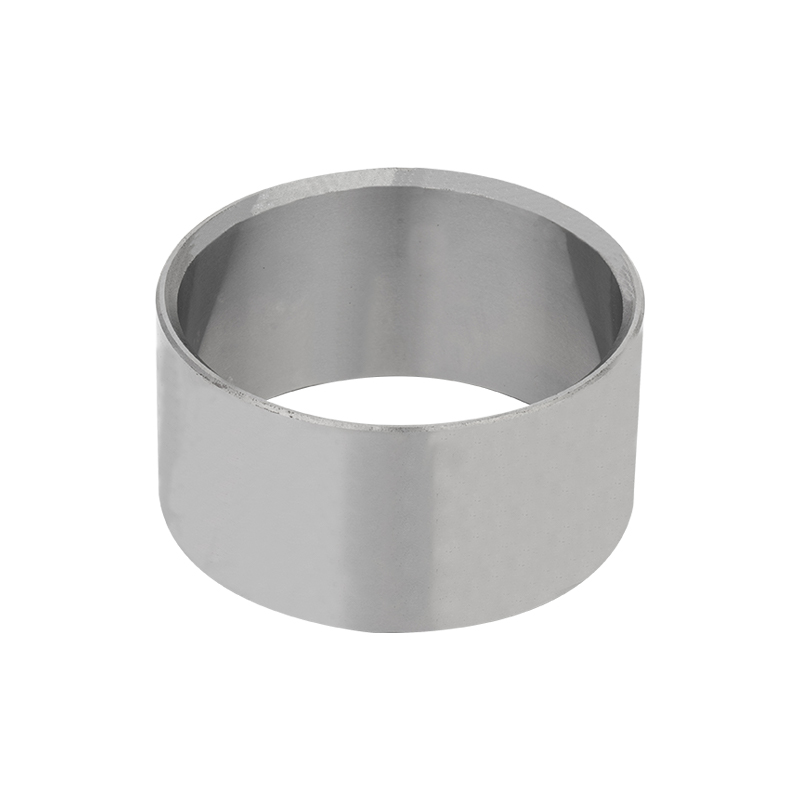
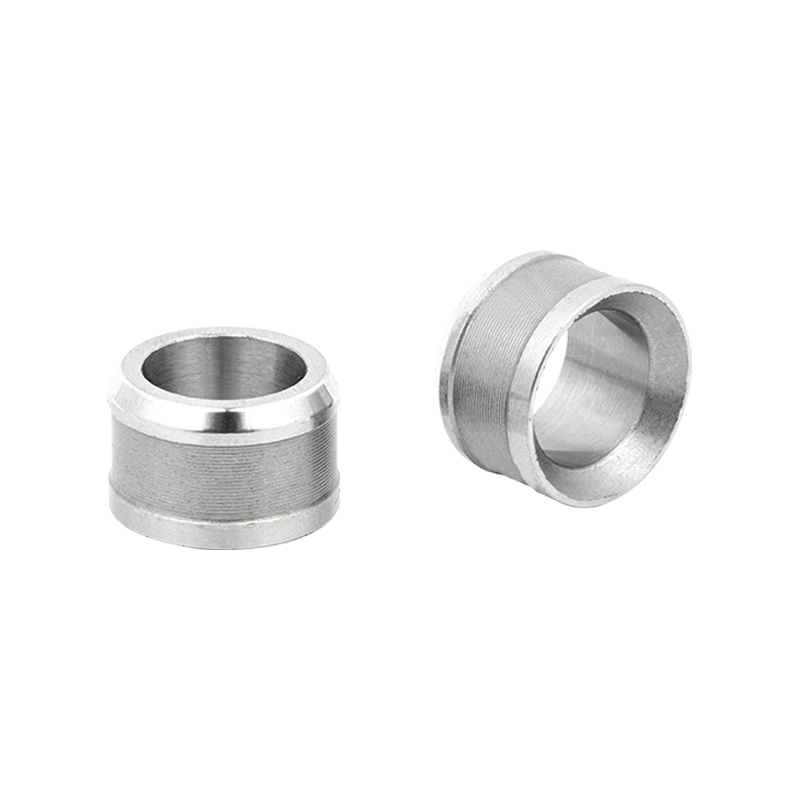
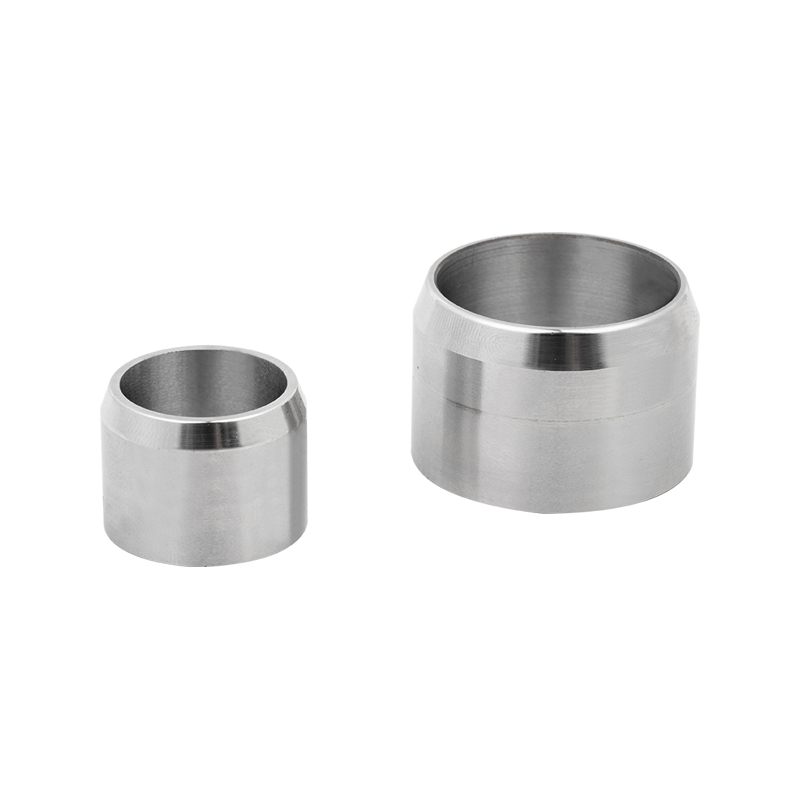
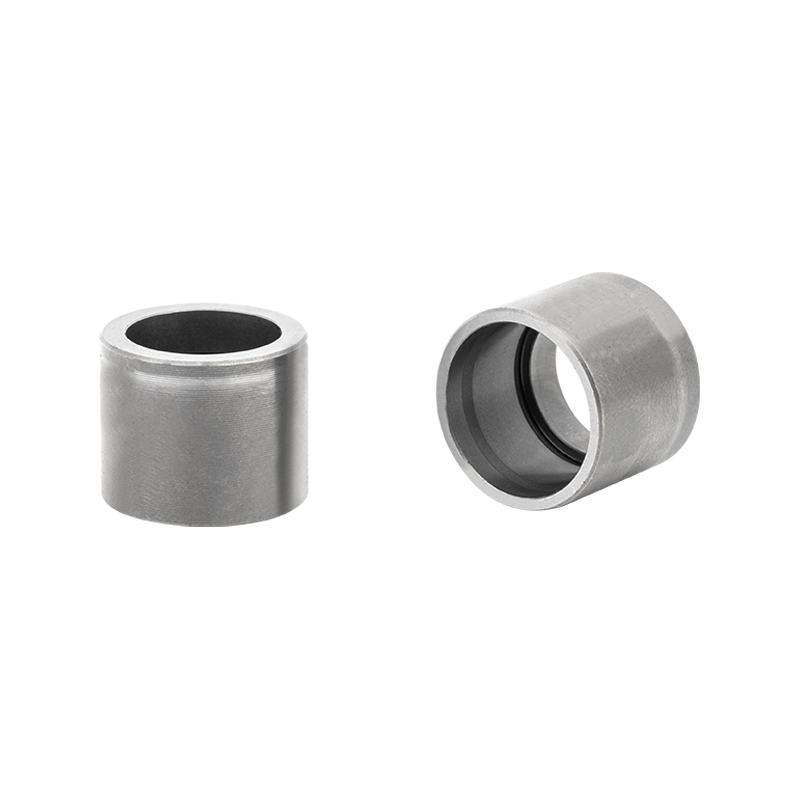
Selected Bearing Display

 Download Catalog
