 English
 中文简体
中文简体 عربى
عربى
Contact Us




founded in 2006, is an enterprise focusing on the R&D, manufacturing, and customization of non-standard bearings, high-precision bearings (import substitution), and bearing accessories and mechanical parts. With more than 30 years of technical design experience, FTM has earned an excellent reputation in the field of high-quality bearings. Our professional technical team provides domestic and foreign customers with high-quality bearing solutions in engineering machinery, textile machinery, and other fields.
News Directory
- 1 Introduction to Heavy Duty Bearing Engineering
- 2 Understanding Load Capacity Dynamics in Roller Bearings
- 3 Technical Comparison Custom vs Standard Roller Bearings
- 4 Logarithmic Profiling: The Key to Stress Distribution
- 5 Material Selection for Extreme Durability
- 6 The Impact of Roller Quantity and Size Optimization
- 7 Advanced Lubrication Strategies for Heavy Loads
- 8 Resilience in Specific Heavy Duty Sectors
- 9 Geometric Tolerances and Rotational Precision
- 10 Economic Analysis of Custom Roller Bearings
- 11 Future of Heavy Duty Rolling Elements
- 12 Summary of Custom Optimization Benefits
- 13 Conclusion
- Frequently Asked Questions (FAQ)
- References
Author: FTM
Date: Feb 24, 2026
Engineered for Resilience Optimizing Load Capacity in Custom Roller Bearings for Heavy Duty Applications
1 Introduction to Heavy Duty Bearing Engineering
The backbone of heavy industry, from mining and construction to wind energy and metallurgy, relies on the ability to move massive loads with minimal resistance. Roller bearings are the primary choice for these high-stress environments due to their line contact geometry, which offers significantly higher load-carrying capacity compared to ball bearings. However, as machinery grows larger and operating conditions become more extreme, standard off-the-shelf roller bearings often reach their physical limits. Engineered for resilience, custom roller bearings represent the next frontier in industrial durability. This article examines how optimizing load capacity through non-standard design can transform equipment reliability in heavy-duty applications.
2 Understanding Load Capacity Dynamics in Roller Bearings
To optimize a bearing for resilience, one must first understand the distinction between static and dynamic load ratings. In heavy-duty applications, bearings are subjected to not only constant pressure but also shock loads and misalignment.
2.1 Static Load Capacity and Plastic Deformation
Static load capacity refers to the maximum load a bearing can withstand while stationary without incurring permanent deformation. In custom engineering, we increase this limit by modifying the contact area between the roller and the raceway, ensuring that even under extreme peak loads, the material remains within its elastic limits.
2.2 Dynamic Load Rating and Fatigue Life
Dynamic load rating is the measure of the bearing’s endurance while in motion. For heavy-duty machinery, optimizing this value involves managing subsurface stresses. By tailoring the internal architecture, we can extend the L10 life, which is the theoretical life reached by 90 percent of a group of identical bearings.
3 Technical Comparison Custom vs Standard Roller Bearings
The following table highlights how specific engineering interventions in custom roller bearings result in superior performance compared to mass-produced standard units.
| Feature | Standard Roller Bearing | Custom Engineered Roller Bearing | Benefit for Heavy Duty |
|---|---|---|---|
| Roller Profile | Cylindrical/Flat | Logarithmic/Crowned Profile | Eliminates Edge Stress |
| Surface Finish | Standard Grinding | Super-finishing/Honing | Reduced Frictional Heat |
| Cage Material | Pressed Steel | Machined Brass or Bronze | High Impact Resistance |
| Lubrication Path | External Only | Integrated Internal Channels | Direct Cooling of Contact Zone |
| Dynamic Capacity | 100 Percent Base | 125 to 140 Percent Enhanced | Longer Replacement Cycles |
4 Logarithmic Profiling: The Key to Stress Distribution
One of the most significant advancements in custom roller bearing design is the implementation of logarithmic profiling. In a standard cylindrical roller, the pressure tends to concentrate at the ends of the roller, a phenomenon known as the edge effect.
4.1 Eliminating the Edge Effect
By precision-grinding the rollers with a slight, mathematically calculated curve (logarithmic profile), custom manufacturers ensure that the load is distributed evenly across the entire length of the roller. This prevents localized fatigue and premature flaking at the raceway edges.
4.2 Handling Misalignment
Heavy-duty equipment often experiences structural deflection under load, leading to shaft misalignment. A tailored roller profile allows the bearing to accommodate minor tilting without causing a drastic spike in contact stress, maintaining operational integrity where standard bearings would fail.
5 Material Selection for Extreme Durability
In heavy-duty applications, the material must resist both wear and fracture. Standard chrome steel is often insufficient for the shock loads found in mining or crushing equipment.
5.1 Case Carburized Steels
For the highest level of resilience, custom bearings often utilize case-carburized steels. This process creates a hard, wear-resistant outer shell while maintaining a tough, ductile core. This “soft” core allows the bearing to absorb sudden impacts and shock loads without cracking.
5.2 High Nitrogen Alloys
In environments where heavy loads are combined with corrosive elements, such as offshore oil rigs, high-nitrogen stainless steels are employed. These alloys provide the necessary hardness for load-carrying while resisting the pitting that leads to catastrophic fatigue.
6 The Impact of Roller Quantity and Size Optimization
The load capacity of a roller bearing is directly proportional to the total contact area. Custom design allows engineers to manipulate the “filling slot” and the number of rolling elements.
- Maximizing Roller Count: By using a high-strength, thin-section cage, more rollers can be fitted into the same envelope, increasing the total load-bearing surface.
- Increasing Roller Diameter: In non-standard designs, we can often increase the diameter of the rollers by slightly reducing the ring thickness, provided the material strength allows, resulting in a massive leap in static capacity.
7 Advanced Lubrication Strategies for Heavy Loads
A bearing is only as resilient as its lubrication film. Under heavy loads, the film thickness can become dangerously thin, leading to metal-to-metal contact.
7.1 Boundary Lubrication Protection
Custom bearings can be designed with specialized surface textures that act as micro-reservoirs for oil. This ensures that even during low-speed, high-load start-up phases, a protective layer is maintained.
7.2 Black Oxide Coatings
Applying a black oxide surface treatment to rollers and raceways provides an extra layer of protection against “smearing” and adhesive wear. This chemical conversion coating also improves the adhesion of the lubricant film to the metal surface.
8 Resilience in Specific Heavy Duty Sectors
Different industries present unique challenges to load-carrying components.
8.1 Mining and Construction
In these sectors, bearings are exposed to abrasive dust and massive vibration. Custom seals combined with high-capacity tapered roller bearings ensure that the internal components remain pristine despite the external environment.
8.2 Wind Energy Systems
Wind turbine main-shaft bearings must handle enormous, fluctuating axial and radial loads. Custom spherical roller bearings are engineered with specific internal clearances to manage the thermal expansion and structural shifts inherent in large-scale turbines.
9 Geometric Tolerances and Rotational Precision
Load capacity is not just about strength; it is about precision. If the rollers are not perfectly uniform, a few rollers will carry the majority of the load, leading to uneven wear.
| Tolerance Class | Deviation in Microns | Application Suitability |
|---|---|---|
| P0 Standard | 5 to 10 | General Industrial |
| P6 Precision | 3 to 5 | High Load Gearboxes |
| P5 High Precision | 1 to 3 | Machine Tool Spindles |
| Custom Grade | Less than 1 | Critical Aerospace/Energy |
10 Economic Analysis of Custom Roller Bearings
The decision to move to custom roller bearings is often driven by a Return on Investment (ROI) calculation. While the upfront cost of a non-standard bearing is higher, the reduction in maintenance frequency and the prevention of catastrophic machine failure provide significant long-term savings.
- Reduced Labor Costs: Fewer bearing changes mean maintenance crews can focus on other tasks.
- Energy Savings: Optimized rollers reduce the internal friction of the machine, lowering electricity or fuel consumption.
- Asset Longevity: By reducing vibration, custom bearings extend the life of the entire drive train.
11 Future of Heavy Duty Rolling Elements
We are moving toward an era of “intelligent resilience.” Custom roller bearings are now being designed with integrated sensors that monitor the health of the load-carrying surfaces in real-time. This allows for condition-based maintenance, ensuring the bearing is utilized for its entire safe operational life before replacement.
12 Summary of Custom Optimization Benefits
The pursuit of resilience in roller bearings through customization yields three primary outcomes:
- Increased Safety: The ability to withstand shock loads without failure.
- Higher Throughput: Machines can run at higher capacities for longer durations.
- Enhanced Sustainability: Less material waste through longer part life and improved energy efficiency.
13 Conclusion
In heavy-duty applications, the bearing is the point where force meets motion. Engineered for resilience, custom roller bearings provide the specific internal geometry, material toughness, and precision required to handle the world’s most demanding loads. By optimizing load capacity through non-standard design, manufacturers can transcend the limitations of traditional components and achieve a new standard of industrial efficiency and reliability.
Frequently Asked Questions (FAQ)
Q1: What is the main advantage of custom roller bearings in mining equipment?
A1: Custom roller bearings for mining utilize case-carburized steel and logarithmic profiling. This allows them to absorb the extreme shock loads and vibrations typical of rock crushing and excavation without suffering from brittle fractures or edge wear.
Q2: How does logarithmic profiling increase load capacity?
A2: It reshapes the contact area to be slightly curved. This prevents pressure from concentrating at the ends of the rollers, distributing the load evenly across the entire surface and extending the fatigue life of the bearing by up to 30 percent.
Q3: Can custom bearings handle higher temperatures in heavy-duty gearboxes?
A3: Yes. By using specialized heat stabilization processes and materials like M50 tool steel or black oxide coatings, custom bearings can maintain their hardness and dimensional stability at temperatures where standard bearings would soften.
Q4: Why is machined brass often used for cages in high-load bearings?
A4: Machined brass cages are much stronger than pressed steel. They offer better vibration damping and natural lubricity, which is essential for maintaining the alignment of large rollers under heavy, erratic loads.
Q5: Will a custom roller bearing fit into my existing housing?
A5: Yes. One of the primary goals of custom engineering is to provide a “drop-in” replacement that maintains the original external dimensions while significantly upgrading the internal load-carrying architecture.
References
- Harris, T. A. (2001). Rolling Bearing Analysis. 4th Edition, John Wiley and Sons.
- American Bearing Manufacturers Association (ABMA). (2024). Load Ratings and Fatigue Life for Roller Bearings.
- Dowson, D. (1998). History of Tribology. Professional Engineering Publishing.
- ISO 281. Rolling bearings: Dynamic load ratings and rating life.
- DIN 5402-1. Rolling bearings: Cylindrical rollers.
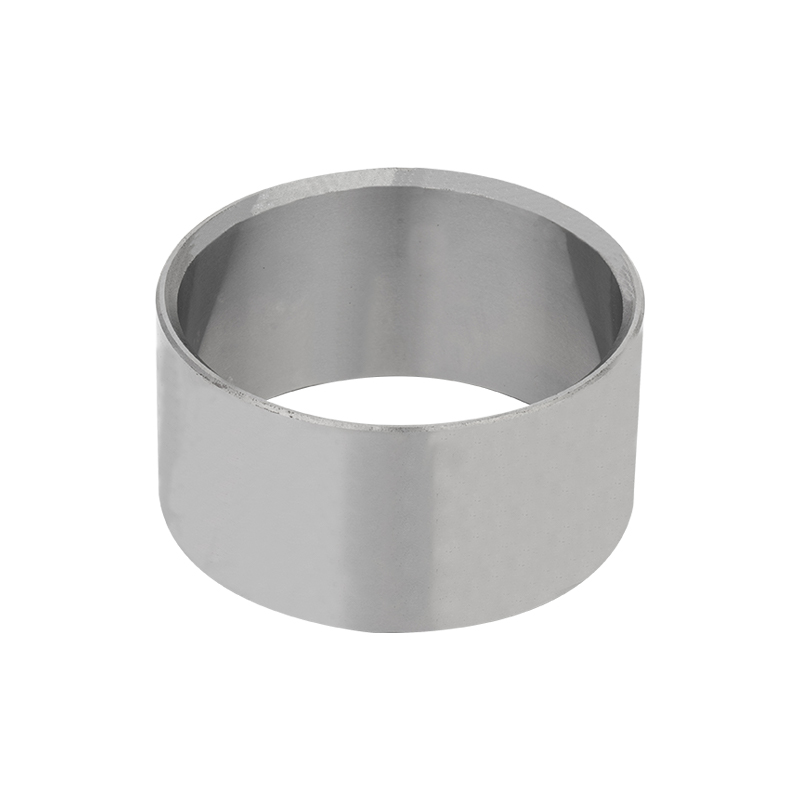
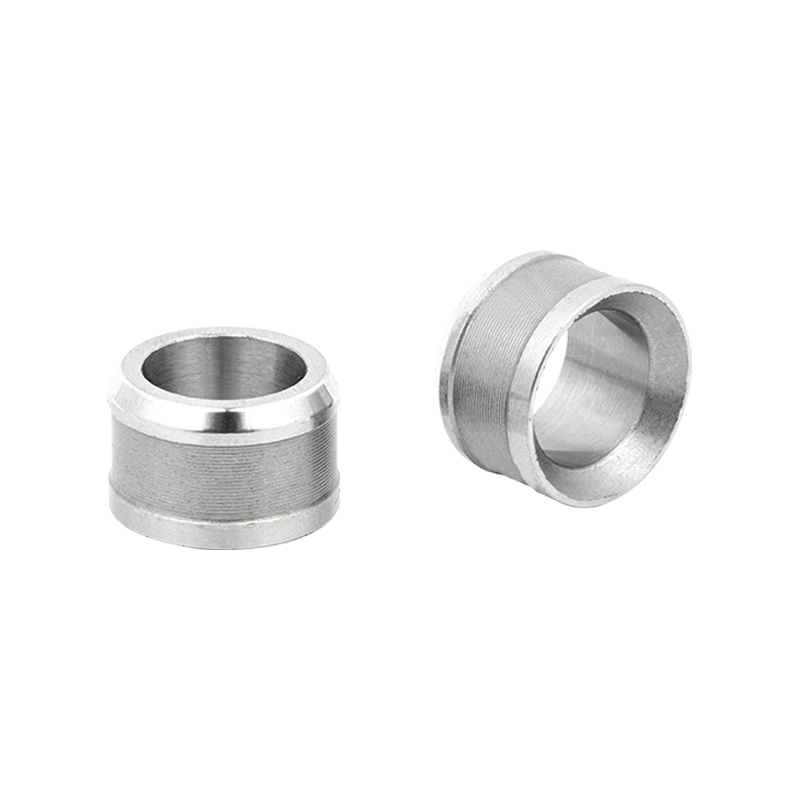
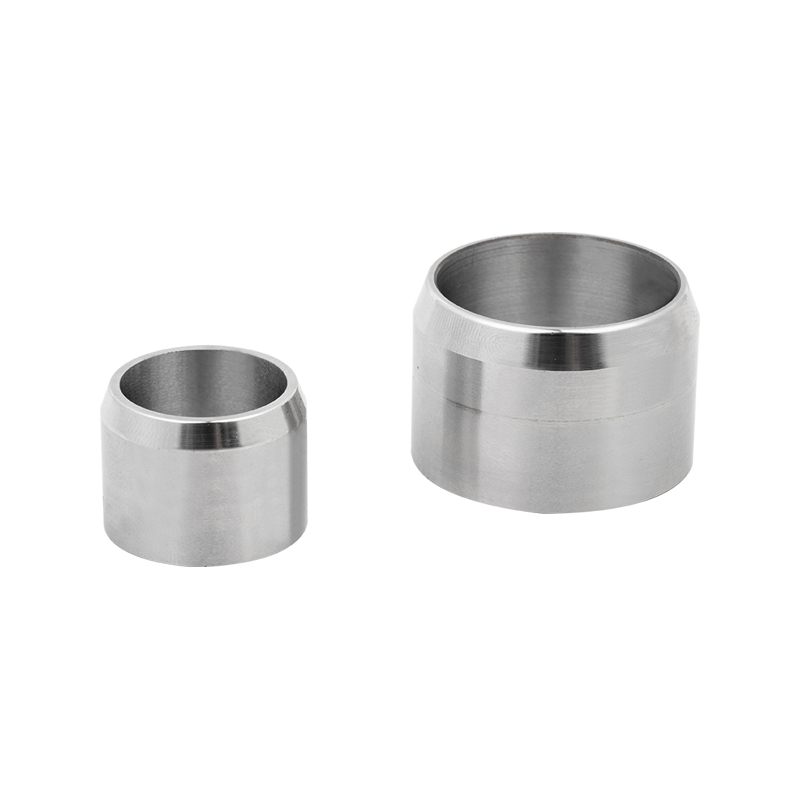
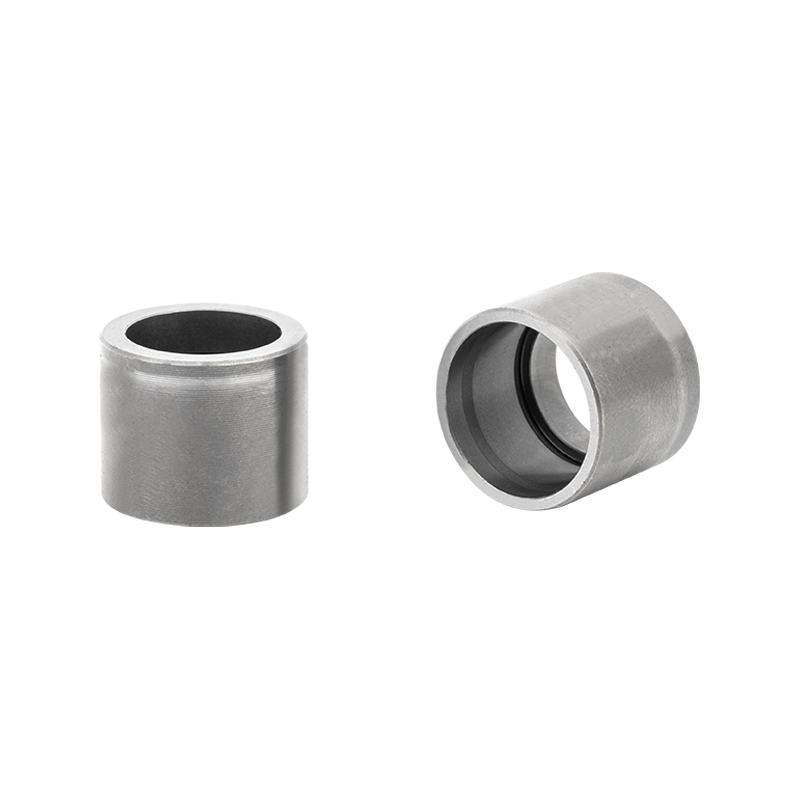
Selected Bearing Display

 Download Catalog
