 English
 中文简体
中文简体 عربى
عربى
Contact Us




founded in 2006, is an enterprise focusing on the R&D, manufacturing, and customization of non-standard bearings, high-precision bearings (import substitution), and bearing accessories and mechanical parts. With more than 30 years of technical design experience, FTM has earned an excellent reputation in the field of high-quality bearings. Our professional technical team provides domestic and foreign customers with high-quality bearing solutions in engineering machinery, textile machinery, and other fields.
News Directory
- I. Introduction: The High Stakes of Supplier Selection
- II. Red Flag #1: The “Black Box” of Raw Material Sourcing
- III. Red Flag #2: Lack of Specialized Testing Equipment
- IV. Red Flag #3: Inconsistent Heat Treatment Processes
- V. Red Flag #4: Poor Workplace Organization—The “Dust” Factor
- VI. Red Flag #5: Vague Communication on Technical Limitations
- VII. Comparison Table: Trading Shop vs. Professional Manufacturer
- VIII. Conclusion: Building a Partnership Based on Transparency
- Frequently Asked Questions (FAQ)
- References
Author: FTM
Date: Feb 07, 2026
5 Critical Red Flags to Watch for When Auditing a New Bearing Supplier
I. Introduction: The High Stakes of Supplier Selection
The Bottom Line: In the precision machinery industry, your product is only as reliable as its weakest component. Auditing a bearing supplier isn’t just a corporate formality—it is a critical insurance policy against catastrophic financial and reputational loss.
The Hidden Risk: More Than Just a “Bad Part”
When a bearing fails, the cost is never just the price of the bearing. It is the cost of the technician’s labor, the lost production hours of a halted assembly line, and the potential legal liability if a machine fails in the hands of an end-user. In sectors like medical tech or high-speed automation, a “cheap” bearing from a poorly vetted supplier is a ticking time bomb.
The “Digital Facade” vs. Factory Reality
We live in an era where any trading company can create a world-class website with “borrowed” photos of high-tech labs. A catalog can promise P5 precision, but the actual factory floor might be using manual grinders from the 1990s. The goal of a professional audit is to pierce through this digital facade and find the truth.
Your Roadmap to a Safe Supply Chain
In this guide, we are going to move past the generic “Are you ISO certified?” questions. We are going to look at the 5 Critical Red Flags that experienced auditors look for—the subtle signs that tell you if a factory is a world-class partner or a high-risk gamble. By the end of this article, you’ll have the “insider eyes” needed to protect your supply chain.
II. Red Flag #1: The “Black Box” of Raw Material Sourcing
The Bottom Line: If a supplier cannot prove exactly where their steel comes from, they are likely cutting costs with “mixed-grade” materials that will lead to unpredictable bearing life and premature fatigue.
Why Steel Purity is Everything
The lifespan of a high-precision bearing is determined by the “cleanliness” of the steel. Standard GCr15 (Chrome Steel) should be free from microscopic inclusions and impurities. If a factory buys “market-grade” steel from unverified small mills, the bearing might look perfect to the naked eye, but it will develop internal cracks under heavy loads.
How to Spot the Red Flag
During your audit (physical or virtual), ask to see the Mill Test Certificate (MTC) for the current production batch.
- The Red Flag: The supplier hesitates, provides a blurry photocopy from three years ago, or claims the information is “proprietary.”
- The Reality Check: A supplier who hides their material source is often hiding the fact that they shop for the lowest price every month, leading to inconsistent quality between your first and second orders.
The “Green Flag” Standard
A reliable manufacturer like Feite Machinery maintains long-term partnerships with reputable, large-scale steel mills. We don’t just have the certificates; we have a traceability system that links every finished box back to a specific heat number from the steel mill.
Raw Material Audit Checklist
| Audit Point | Red Flag (Danger) | Green Flag (Safe) |
|---|---|---|
| Source Verification | Unknown or “Market” sourcing | Verified, top-tier steel mills |
| Documentation | Generic or outdated certificates | Batch-specific Mill Test Certificates |
| Incoming Inspection | Parts go straight to the lathe | Internal testing for hardness and purity |
| Consistency | Changes suppliers for lower prices | Long-term, stable material partners |
III. Red Flag #2: Lack of Specialized Testing Equipment
The Bottom Line: A manufacturer without a dedicated, high-tech testing lab is not “manufacturing” precision; they are “guessing” precision. If you don’t see specialized instruments for noise, vibration, and roundness, the supplier is likely relying on luck rather than engineering.
The Danger of “Visual-Only” Inspection
High-precision bearings operate in a world of microns. You cannot “see” if a bearing will be noisy once it hits 3,000 RPM, and you cannot “feel” if a raceway is perfectly round with a pair of manual calipers. Factories that lack specialized equipment often ship products that look fine on the outside but fail the moment they are put under operational stress.
How to Spot the Red Flag
When you walk the floor or view a factory via video, look past the assembly line and search for the QC Lab.
- The Red Flag: The QC area consists only of basic hand tools like micrometers, height gauges, and calipers. If you ask about noise levels and they say, “Our workers listen to them by hand,” walk away.
- The Reality Check: Without automated testing, “human error” becomes your biggest risk. A tired inspector at 4:00 PM will miss a vibration spike that an automated machine never would.
The “Green Flag” Standard: The Precision Toolkit
A world-class facility invests heavily in the “Science of Measurement.” To ensure a bearing is truly high-precision (P6 or P5), the following equipment is non-negotiable:
| Essential Equipment | What it Measures | Why it Matters to You |
|---|---|---|
| S0910 / BVT Instruments | Noise and Vibration (Velocity/Acceleration) | Ensures the bearing runs silent and smooth in your machine. |
| Roundness Tester | The “perfect circle” of the raceway | Prevents “wobble” and uneven wear during high-speed rotation. |
| Profilometer | Surface roughness (Ra) | Minimizes friction and heat, extending the lubricant’s life. |
| Hardness Tester | Rockwell Hardness (HRC) | Confirms the steel will not deform under heavy loads. |
IV. Red Flag #3: Inconsistent Heat Treatment Processes
The Bottom Line: Heat treatment is the “soul” of the bearing. It determines the hardness, toughness, and dimensional stability. If a supplier outsources this to an unmonitored third party, they lose control over the most critical step of production.
The Risk of the “Outsourced Furnace”
Many smaller factories send their “green” parts to external heat-treatment shops to save on electricity and equipment costs. The danger? These shops often mix parts from different customers in the same furnace to maximize volume. This leads to inconsistent cooling rates, uneven hardness, and bearings that “grow” or “shrink” over time as their internal structure changes.
How to Spot the Red Flag
Ask a simple, direct question: “Do you have an in-house heat treatment line, or do you outsource it?”
- The Red Flag: If they outsource, ask for their audit reports of the subcontractor. If they can’t show you temperature logs or batch-specific hardness charts from the heat-treater, the process is unmonitored.
- The Reality Check: A bearing that isn’t properly stabilized will fail prematurely due to “structural stress,” even if the dimensions were perfect when it left the factory.
The “Green Flag” Standard
A reliable partner manages the furnace with the same intensity as the grinder. They monitor the “Quenching” and “Tempering” cycles with digital precision, ensuring that every single bearing achieves a uniform hardness (typically 60-64 HRC for chrome steel) and stays dimensionally stable for years.
V. Red Flag #4: Poor Workplace Organization—The “Dust” Factor
The Bottom Line: A messy factory is a sign of a low-performance culture. In bearing manufacturing, dust and metallic particles are the “silent killers” of precision. If a workshop is disorganized, contamination is likely already sealed inside your bearings.
The Enemy Within: Micro-Contamination
Bearings are sensitive to particles that are invisible to the human eye. A single grain of grinding dust or a stray metal flake trapped inside the raceway will act like a piece of sandpaper. Under high-speed rotation, this “grit” causes microscopic dents, leading to noise, heat, and eventual seizure.
How to Spot the Red Flag
During your audit, look at the flow of the factory.
- The Red Flag: You see “dirty” processes (like heavy grinding) happening right next to “clean” processes (like assembly and oiling). You see open bins of finished parts sitting on a dusty floor, or workers handling precision components with bare, dirty hands.
- The Reality Check: If a supplier doesn’t respect the cleanliness of their own floor, they won’t respect the tolerances of your project. “Housekeeping” (5S) is the most visible indicator of a factory’s internal discipline.
The “Green Flag” Standard: Zone Separation
A professional manufacturer like Feite Machinery understands that precision requires an “operating room” environment. We strictly enforce zone separation to keep the product pristine from start to finish.
Environmental Audit Checklist
| Audit Area | Red Flag (Danger) | Green Flag (Safe) |
|---|---|---|
| Zone Division | Grinding and assembly are in the same room. | Strict physical separation between “dirty” and “clean” zones. |
| Component Storage | Parts stored in open wooden or plastic crates. | Sealed, anti-static, or covered containers. |
| Assembly Area | Open-air, high-traffic area. | Controlled-access, low-dust assembly “clean rooms.” |
| Final Cleaning | Wiping parts with a manual rag. | Multi-stage ultrasonic cleaning and automated oiling. |
VI. Red Flag #5: Vague Communication on Technical Limitations
The Bottom Line: If a supplier says “Yes” to every complex request without asking clarifying questions, they are likely a trading company or an inexperienced manufacturer that will over-promise and under-deliver.
The “Yes-Man” Syndrome
Authentic engineering is about constraints. If you ask for a non-standard bearing with extreme tolerances, high speeds, and a very low price, an honest engineer will tell you that certain trade-offs are necessary. A “Yes-Man” supplier is simply hunting for a deposit and will worry about the technical failures later.
How to Spot the Red Flag
Pay attention to the Quality of Questions they ask you.
- The Red Flag: They accept your blueprints without asking about the application, the operating temperature, the lubricant type, or the radial load.
- The Reality Check: Vague communication is a sign of lack of technical depth. If they don’t understand how the bearing will be used, they cannot possibly guarantee its reliability.
The “Green Flag” Standard: The Engineering Dialogue
A reliable partner behaves like a consultant. They might challenge your design to make it more manufacturable or suggest a different material to better suit your environment. This technical “push-back” is the hallmark of a factory that actually knows how to build what they sell.
VII. Comparison Table: Trading Shop vs. Professional Manufacturer
The Bottom Line: Being able to distinguish between a “Middleman” (Trading Shop) and a “Maker” (Professional Factory) is the most important skill an auditor can have. While middlemen are great for generic, low-stakes hardware, high-tech applications require the direct control only a manufacturer can provide.
The “Audit Cheat Sheet”
Use this table as your quick-reference guide during your next supplier interview or site visit. If your current supplier aligns more with the left column, you are likely dealing with a high-risk sourcing situation.
| Feature | The Trading Shop (Middleman) | The Professional Factory (Feite) |
|---|---|---|
| Facility Knowledge | “I’ll have to ask the production manager and get back to you.” | “Let me show you the live data from that machine right now.” |
| Technical Support | Acts as a “bridge” for emails; slow response to technical queries. | Direct access to engineers who can modify blueprints on the fly. |
| Customization | Resistent to small-batch non-standard designs. | Thrives on “impossible” and specialized custom requests. |
| Quality Control | Rely on the “factory’s word” or a generic 3rd party report. | 100% in-house testing with batch-specific vibration and noise logs. |
| Traceability | Loses track of the steel source once it hits the warehouse. | Digital “paper trail” from the raw steel mill to your delivery box. |
| Pricing | Can be suspiciously low (cuts quality) or high (adds commission). | Transparent, value-based pricing based on material and precision. |
VIII. Conclusion: Building a Partnership Based on Transparency
Choosing a bearing supplier is about more than just finding a part; it’s about finding a partner who values your brand’s reputation as much as you do. The “Red Flags” we’ve discussed—from questionable steel to dusty workshops—are all symptoms of a lack of transparency.
At Shaoxing Shangyu Feite Machinery, we believe that a world-class supplier should have nothing to hide. We don’t just invite audits; we encourage them. We want you to see our clean rooms, our specialized testing labs, and our engineering workflows because that is where true reliability is built.
Your Final Audit Checklist
Before you place your next order, ask your supplier for these three things:
- A live video walkthrough of their QC lab (specifically the noise and vibration testing area).
- The Mill Test Certificate for their most recent batch of GCr15 steel.
- A technical review of your application to ensure the bearing and lubricant are optimized for your environment.
Reliability isn’t a secret—it’s a process. If your supplier won’t show you the process, they shouldn’t be your supplier.
Frequently Asked Questions (FAQ)
1. Is an ISO 9001 certificate enough to guarantee quality?
While an ISO 9001 certificate is a great baseline, it only proves that a company has a documented process, not that the product itself is high-precision. Many low-end factories are ISO-certified but lack the specific bearing-testing equipment (like BVT vibration testers) required for high-tech applications. Always look for industry-specific quality records beyond the basic ISO seal.
2. What should I do if a supplier refuses a live video audit of their lab?
In 2026, transparency is the industry standard. If a supplier claims their testing lab is “off-limits” due to “proprietary secrets,” it is usually a red flag that the lab is either non-existent or poorly equipped. A professional manufacturer should be proud to show you their QC environment via a real-time video call.
3. Why is “In-House” heat treatment so important?
Heat treatment controls the hardness and dimensional stability of the bearing. When a factory outsources this, they lose control over the heating and cooling cycles. This often results in a “hit or miss” quality where some bearings in a batch are perfect, but others fail prematurely due to internal structural stress.
4. How can I verify a Mill Test Certificate (MTC)?
A genuine MTC should include the steel mill’s official stamp, a specific heat number (Batch ID), and detailed chemical composition and mechanical properties. You can often contact the steel mill directly or use their online verification portals to confirm that the batch was actually delivered to the factory in question.
5. Does a higher price always mean no red flags?
Not necessarily. Some trading companies (middlemen) charge high prices to cover their commissions while still sourcing from “Red Flag” factories. The key is to audit the process, not just the price tag. A professional manufacturer like Feite Machinery offers competitive pricing because we own the process, not because we cut corners on quality.
References
- ISO 2859-1:1999 – Sampling procedures for inspection by attributes.
- DIN 5401 – Balls for rolling bearings and general industrial use.
- The BVT Vibration Standard (JB/T 10187) – Specifications for vibration of rolling bearings.
- “Best Practices in Global Sourcing and Supplier Quality Surveillance” – Supply Chain Management Review (2025 Edition).
- Feite Machinery Internal Quality Manual – Section 4: Clean-Room Assembly and Contamination Control Protocols.
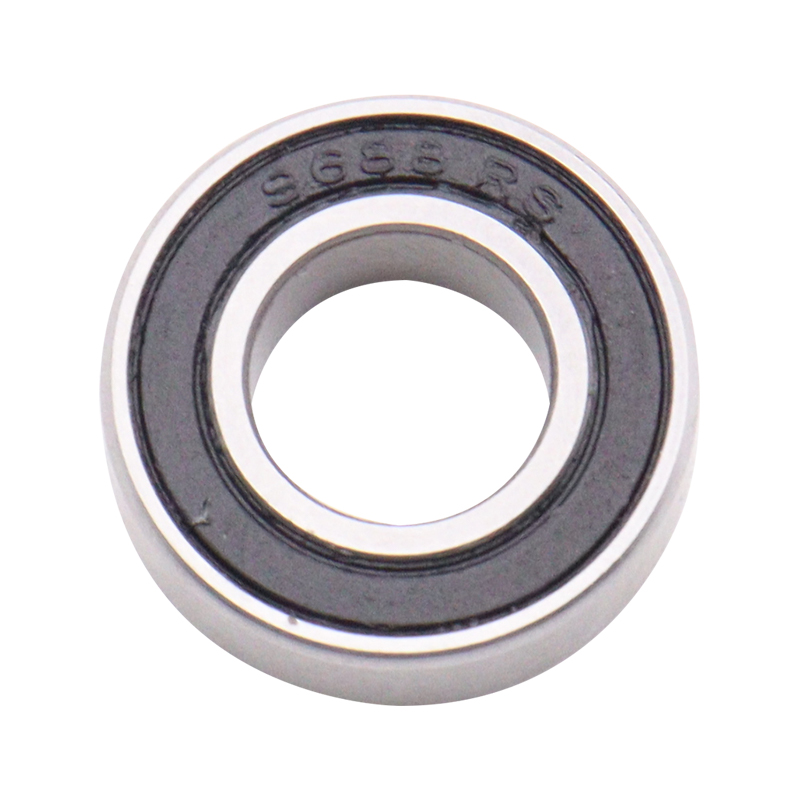
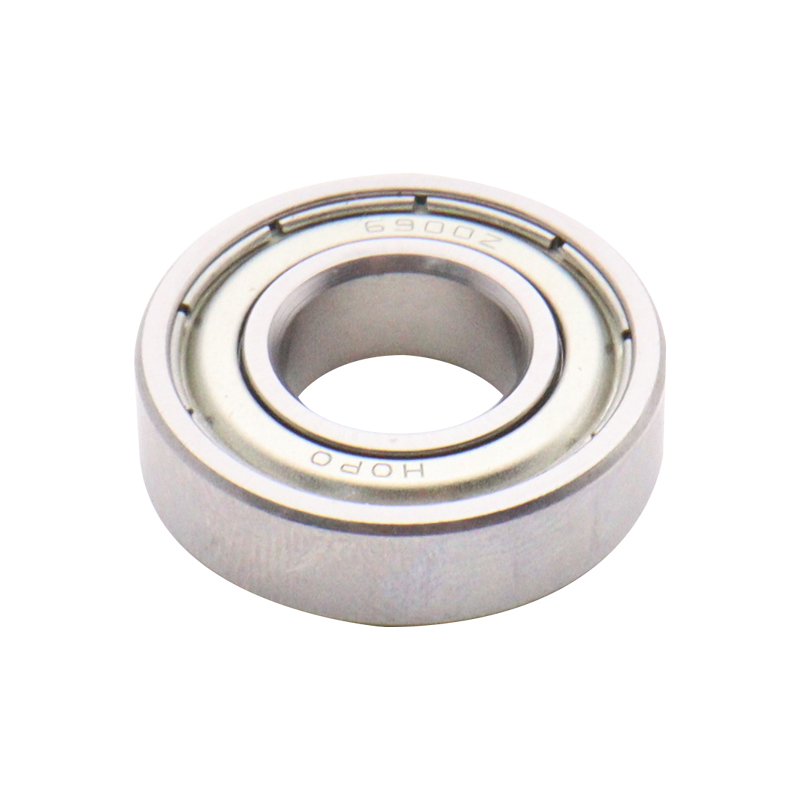
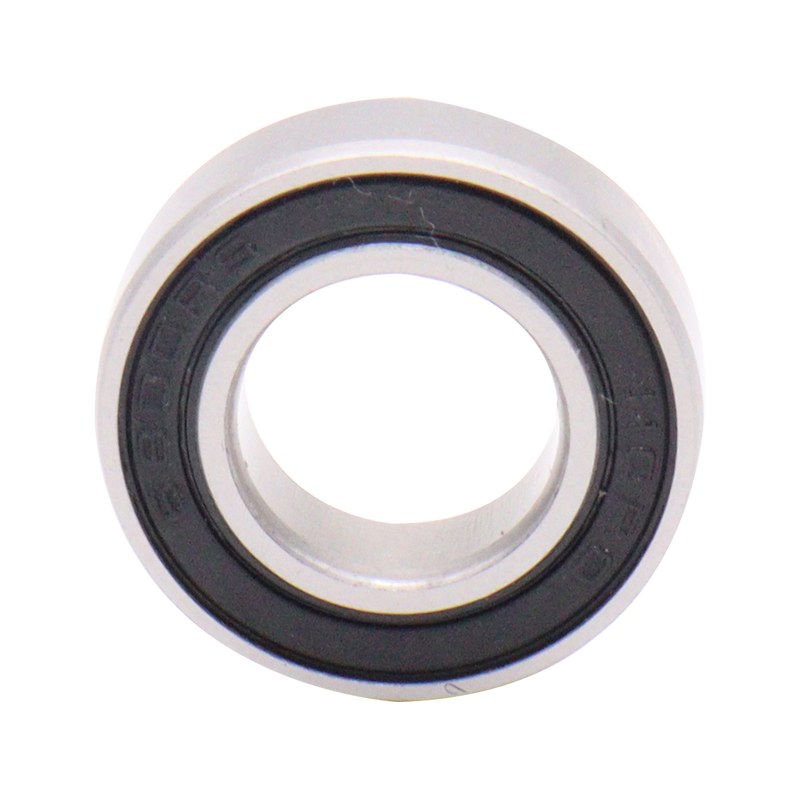
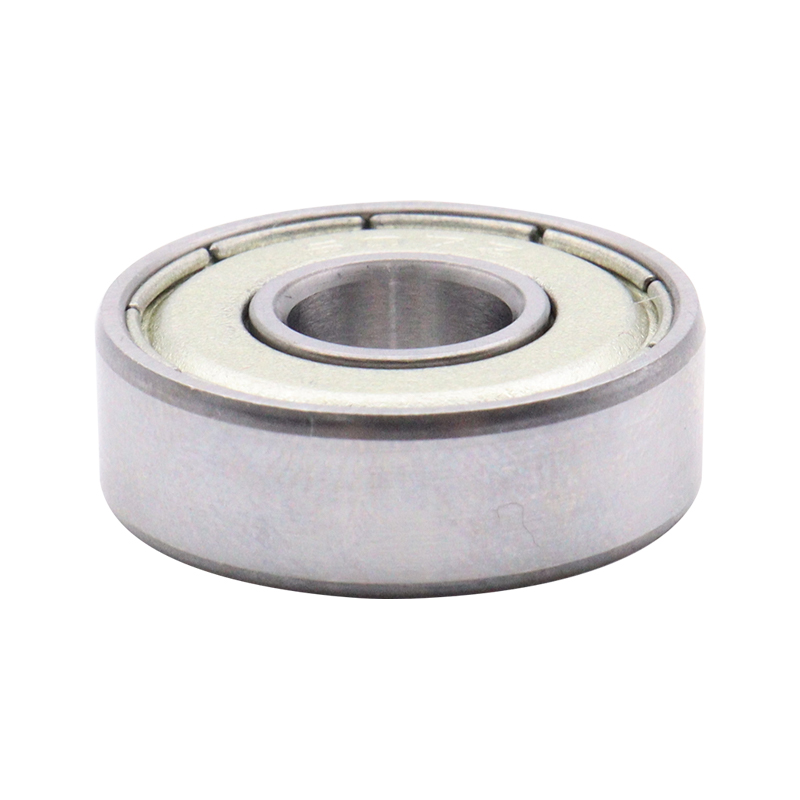
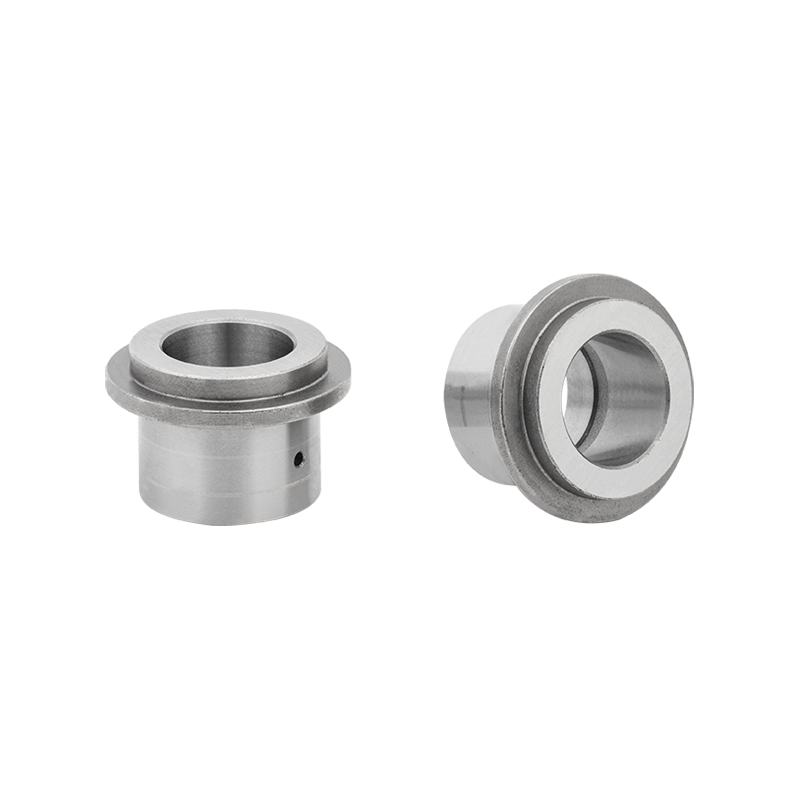
Selected Bearing Display

 Download Catalog
