 English
 中文简体
中文简体 عربى
عربى
Contact Us




founded in 2006, is an enterprise focusing on the R&D, manufacturing, and customization of non-standard bearings, high-precision bearings (import substitution), and bearing accessories and mechanical parts. With more than 30 years of technical design experience, FTM has earned an excellent reputation in the field of high-quality bearings. Our professional technical team provides domestic and foreign customers with high-quality bearing solutions in engineering machinery, textile machinery, and other fields.
News Directory
- 1. Introduction: The Death of the “One-Size-Fits-All” Era
- II. 3 Driving Forces Behind the Customization Boom
- 3. The Strategic Benefits: Beyond Just “Fitting In”
- 4 Comparison: Catalog Buying vs. Collaborative Design
- 5. From Concept to Reality: The Feite Customization Workflow
- 6. Conclusion: Empowering the Next Generation of Machinery
- Frequently Asked Questions (FAQ)
- References
Author: FTM
Date: Jan 30, 2026
The Rise of Customization: Why Your High-Tech Application Demands Non-Standard Bearings
1. Introduction: The Death of the “One-Size-Fits-All” Era
For decades, the catalog was the king of the engineering office. When a designer needed to solve a motion problem, they flipped to a page, picked a part number, and built their machine around that specific bearing. It was efficient, but it had a major side effect: it forced innovation to stay within the boundaries of what was already on the shelf.
But look around—the machines we are building in 2026 don’t look like the machines of ten years ago.
We are seeing surgical robots that need to move with sub-micron precision inside a human body. We are seeing commercial drones that must be light enough to fly for hours but strong enough to carry heavy payloads. We are seeing electric motors spinning at speeds that would vaporize standard grease in minutes.
In these high-tech sectors, the standard bearing has become a “bottleneck.” If you are forced to build your cutting-edge invention around a generic, bulky component, you are compromising your design before you even build the first prototype.
The era of “one-size-fits-all” is over. Today, the bearing is no longer just a supporting part; it is a strategic component that defines the limits of what your machine can achieve. Leading innovators are no longer asking, “Which bearing fits my shaft?” Instead, they are asking, “How can a custom-designed bearing make my product smaller, faster, and more reliable than the competition?”
At Shaoxing Shangyu Feite Machinery, we’ve seen this shift firsthand. Customization isn’t a luxury anymore—it’s the new requirement for high-tech success.
II. 3 Driving Forces Behind the Customization Boom
The push for non-standard bearings isn’t just a trend; it is a response to three massive shifts in how high-tech products are being designed today. If your project falls into one of these categories, a “standard” bearing might actually be holding you back.
1. Extreme Miniaturization (Robotics & Aerospace)
In the world of humanoid robots and professional-grade drones, space is the most expensive commodity. Every millimeter saved in a joint or a motor allows for a bigger battery or more sensors.
Standard bearings are often too thick or include heavy housings that aren’t necessary. This has led to the rise of Thin-section bearings and Integrated designs. Imagine a bearing where the outer ring is actually part of the robot’s arm itself. By customizing the geometry, we help engineers reduce “real estate” usage by up to 30% while maintaining the same load-carrying capacity.
2. Smart Sensing & Intelligence
We are entering the age of the “Thinking Machine.” Engineers now want to know exactly what is happening inside their equipment in real-time. This is leading to the demand for Smart Bearings.
Standard bearings don’t have room for electronics. However, a custom-designed bearing can be manufactured with dedicated “pockets” or modified rings to embed miniature sensors. These sensors monitor:
- Temperature spikes before they cause a fire.
- Vibration patterns that signal a need for maintenance.
- Rotational speed for ultra-precise motion control.
Customization allows these sensors to live inside the bearing without weakening the steel or affecting the rotation.
3. Unconventional Environments
High-tech doesn’t always happen in a clean, climate-controlled factory. Some of our most exciting projects involve environments where a standard chrome steel bearing would fail in hours.
- Space & Vacuum: Standard lubricants will “outgas” and evaporate in a vacuum. Custom bearings use solid lubricants like molybdenum disulfide.
- Cryogenic & Lab Tech: In medical labs, bearings often face extreme cold or repeated high-pressure steam sterilization.
- Chemical Exposure: We use specialized ceramic balls or advanced stainless alloys that can survive “bath” conditions in semiconductor or food-processing equipment.
Technology Driving the Need for Customization
| Industry | The Challenge | The Custom Solution |
|---|---|---|
| Surgical Robotics | Tiny space, zero “play” (backlash) | Ultra-thin, pre-loaded custom ball bearings |
| Electric Vehicles (EV) | High-frequency electrical arching | Ceramic hybrid bearings for electrical insulation |
| Drones/UAVs | Excessive weight | Aluminum or plastic hybrid custom housings |
| Smart Factories | Need for predictive maintenance | Bearings with integrated sensor mounting points |
3. The Strategic Benefits: Beyond Just “Fitting In”
When an engineering team decides to go custom, they aren’t just buying a part; they are investing in a competitive advantage. While the initial goal might be to solve a space constraint, the long-term strategic benefits often become the most valuable part of the project.
1. Performance Optimization: Tuning the “Heart” of Your Machine
Standard bearings are designed to be “good enough” for a thousand different uses. A custom bearing is designed to be perfect for one.
By adjusting the internal geometry—such as the specific diameter of the balls, the depth of the raceway, or the contact angle—we can tune the bearing to your exact load profile. This means your machine can run smoother, faster, and with less friction than a competitor using a catalog part. It’s like the difference between buying a suit off the rack and having one tailored to your exact measurements; the fit changes how you perform.
2. Radical Weight Reduction
In industries like aerospace, electric vehicles (EV), or handheld medical tools, every gram matters. Customization allows us to use high-strength, lightweight alloys or even hollow-shaft designs that are impossible to find in a standard catalog. By removing unnecessary “bulk” from the bearing rings and using optimized cage materials (like high-performance polymers), we help you shave critical weight off your moving parts, which in turn reduces energy consumption and improves battery life.
3. Market Protection and After-market Security
This is a major benefit for Original Equipment Manufacturers (OEMs). If you use a common, standard bearing, your customers might try to replace it with a cheap, low-quality alternative from a local hardware store when it wears out. This often leads to machine failure and a damaged reputation for your brand.
By using a proprietary non-standard design, you ensure that:
- Only high-quality, genuine parts are used in your machines.
- You protect your after-market service revenue.
- Your unique design cannot be easily “cloned” by competitors, keeping your intellectual property safe.
Strategic Impact Summary
| Strategic Goal | How Customization Achieves It | Business Value |
|---|---|---|
| Maximized Efficiency | Low-friction internal tuning | Lower energy costs and higher speed |
| Portability | Lightweight materials and slim profiles | More attractive, “high-tech” product design |
| Brand Control | Unique, proprietary dimensions | Protection against low-quality copies |
| Reliability | Application-specific material selection | Fewer warranty claims and happier customers |
4 Comparison: Catalog Buying vs. Collaborative Design
When you are at the crossroads of a new project, you have to decide: do you want a supplier, or do you want a partner? While the catalog is great for quick replacements, high-tech innovation usually requires a deeper level of cooperation.
In a “Catalog” scenario, you are limited by what someone else decided to manufacture years ago. In a “Collaborative” scenario with a partner like Feite Machinery, the machine’s requirements dictate the bearing’s design—not the other way around.
The Comparison: Which Path Suits Your Project?
| Feature | Catalog Buying (Standard) | Collaborative Design (Custom) |
|---|---|---|
| Design Starting Point | You adapt your machine to the part | We adapt the part to your machine |
| Engineering Support | Minimal (Read the PDF) | High (Direct talk with designers) |
| Performance Limit | Capped by universal standards | Optimized for your specific “peak” |
| Space Efficiency | Often bulky or “close enough” | Exact fit, zero wasted space |
| Speed to Market | Immediate (if in stock) | Requires time for prototyping |
| Prototyping | Usually not available | Custom samples for real-world testing |
Why “Collaboration” Wins in High-Tech
High-tech projects are rarely “standard.” If you are building the next generation of satellite stabilizers or a new type of high-speed centrifuge, the physics of your application are unique.
When you choose collaborative design, you get access to our internal testing data and engineering expertise. We look at your CAD models, analyze your torque requirements, and suggest tweaks to the bearing that might actually simplify your overall assembly. It is about moving from a “transaction” to an “innovation.”
5. From Concept to Reality: The Feite Customization Workflow
Bringing a non-standard bearing to life is a journey of precision. You might start with a specific problem—like “it’s too heavy” or “it gets too hot”—and we provide the roadmap to solve it. At Feite Machinery, we’ve streamlined this into a three-phase process designed for speed and accuracy.
Phase 1: Deep Application Analysis
Before we talk about steel or sizes, we talk about context. Our engineers don’t just ask for your dimensions; we ask about your environment.
- What is the exact load angle?
- Will it be exposed to cleaning chemicals?
- Does it need to be non-magnetic?
We analyze your CAD models to identify “integration opportunities”—sometimes we can combine two parts into one, reducing your assembly time and cost.
Phase 2: Rapid Prototyping & Material Selection
In the high-tech world, waiting six months for a sample is not an option. We use 2026-level precision manufacturing to move from design to prototype quickly. During this phase, we select the “DNA” of your bearing:
- The Rings: Choosing between high-nitrogen steels, stainless alloys, or lightweight composites.
- The Rolling Elements: Deciding if ceramic balls are needed to handle high speeds or electrical surges.
- The Seal & Lube: Designing a custom sealing system that keeps contaminants out without adding too much drag (torque).
Phase 3: Validation & Precision Stress Testing
A non-standard part must be more reliable than a standard one. We don’t guess; we test. We simulate the stresses of your application in our lab to ensure the custom geometry holds up under real-world pressure. We verify the “Run-out,” the noise levels, and the heat dissipation. Only after the prototype passes these “stress tests” do we move to the final production run.
The Customization Timeline
| Step | Action | Outcome |
|---|---|---|
| Consultation | Technical interview & CAD review | Clear design requirements |
| Engineering | Internal geometry & material design | Technical blueprints for approval |
| Prototyping | Small-batch precision machining | Physical parts for your test rig |
| Verification | Performance & tolerance testing | Guaranteed reliability data |
| Production | Scale-up to your required volume | A proprietary component ready for market |
6. Conclusion: Empowering the Next Generation of Machinery
As we look toward the future of manufacturing and robotics in 2026 and beyond, one thing is clear: the most successful products will be those that refuse to be “standard.”
If you want to build a machine that truly changes the world—one that is lighter, faster, and smarter than anything that came before it—you cannot build it using the same catalog parts as your competitors. High-tech success requires a willingness to look beyond the shelf and design for the peak of what is possible.
Customization is no longer just a trend for high-end boutique brands; it is the new standard for anyone serious about innovation. It is about taking control of your design, protecting your brand, and pushing the limits of physics.
Let’s Build the Heart of Your Next Innovation
At Shaoxing Shangyu Feite Machinery, we don’t just see ourselves as a factory. We are an engineering partner dedicated to helping you overcome your toughest motion challenges. Whether you have a fully realized 3D model or just a difficult problem that needs a creative solution, our team is ready to help you bring it to life.
Don’t let a standard part limit your vision.
- Challenge us: Send us your most demanding design constraints.
- Collaborate: Work directly with our engineers to find the “perfect fit.”
- Innovate: Get a custom solution that gives your product a permanent edge in the market.
[Contact Feite Machinery Today] – Let’s discuss your custom bearing project and start building the future, one precision component at a time.
Frequently Asked Questions (FAQ)
1. Is a non-standard bearing always more expensive to produce?
Initially, there is a higher engineering and tooling cost for a custom design. However, when you consider that a non-standard bearing can eliminate the need for extra adapters, reduce assembly time, and significantly extend the machine’s lifespan, the total cost of ownership is often lower than using a “forced” standard solution.
2. What is the minimum order quantity (MOQ) for a custom design?
Unlike large-scale mass producers, we are built for flexibility. While the MOQ depends on the complexity of the design, we frequently support small-batch prototyping and mid-sized production runs. We believe high-tech innovation shouldn’t be stalled by massive order requirements.
3. How long does the design-to-prototype process take?
Typically, the engineering and design phase takes 1–2 weeks, followed by 4–6 weeks for precision manufacturing of the prototype. We use agile manufacturing processes to ensure your R&D timeline stays on track without sacrificing precision.
4. Can you integrate non-mechanical features, like sensors, into the bearing?
Yes! This is a core part of the “Rise of Customization.” We can modify bearing rings to include mounting points for sensors or design specific clearances for integrated electronics. This allows the bearing to become a “smart component” in your robotics or automation project.
5. How do you ensure the reliability of a design that has never been made before?
We use advanced Finite Element Analysis (FEA) during the design phase to simulate loads and stresses. After production, every non-standard batch undergoes rigorous validation—including noise testing, vibration analysis, and life-cycle simulation—to ensure it performs exactly as the digital model predicted.
References
- ISO 15:2017 – Rolling bearings — Radial bearings — Boundary dimensions. (Used as the baseline to define where standard ends and “non-standard” innovation begins).
- Design of Smart Bearings for Industry 4.0 – Journal of Mechanical Systems and Signal Processing. (A reference for sensor integration and intelligence).
- NASA Technical Reports Server (NTRS) – Solid Lubrication for Space and Vacuum Applications. (Relevant for our section on extreme environments).
- “The Future of Robotics: Miniaturization and Integration” – International Journal of Advanced Robotic Systems.
- Feite Machinery Case Study Archive – Custom Thin-Section Bearing Performance in High-Speed Surgical Tools (Internal Technical Publication 2025).
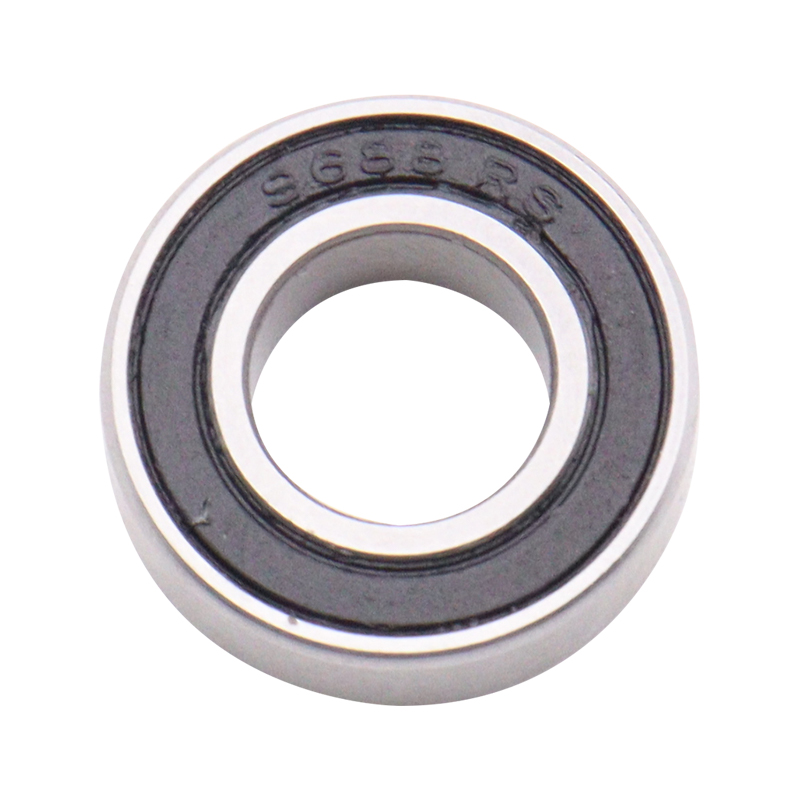
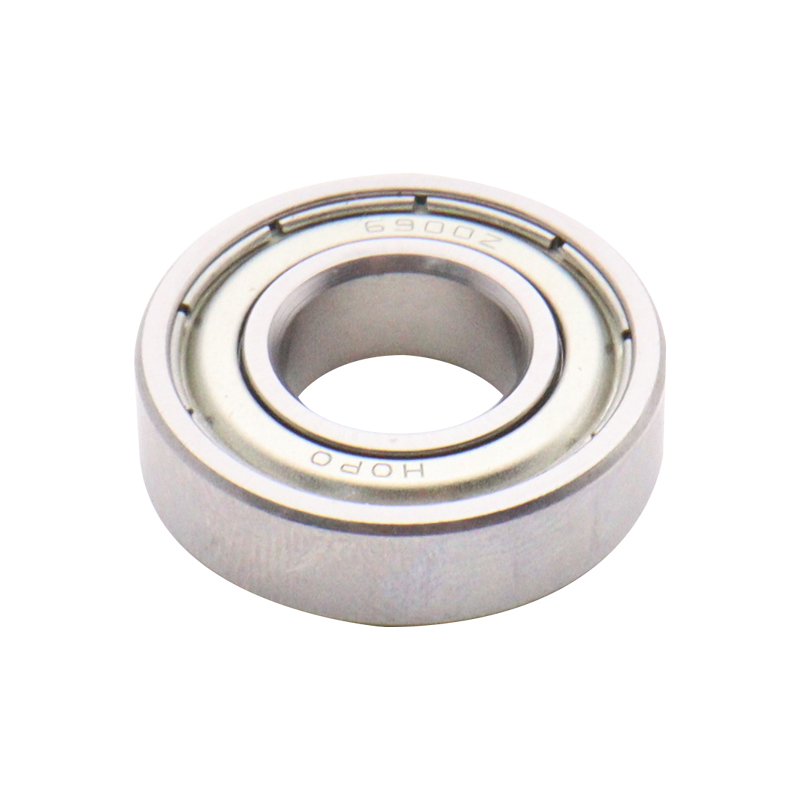
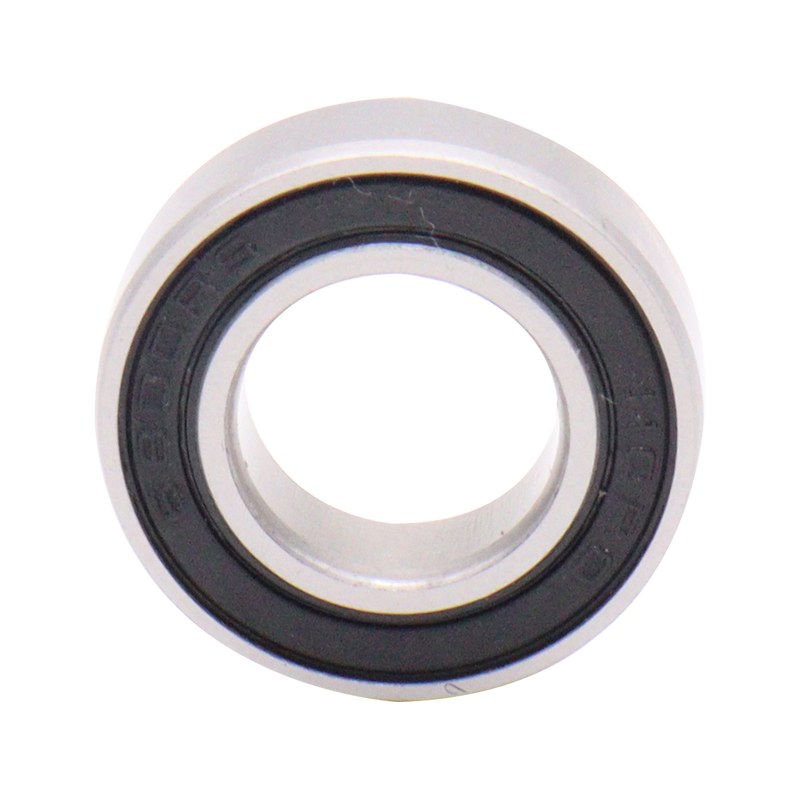
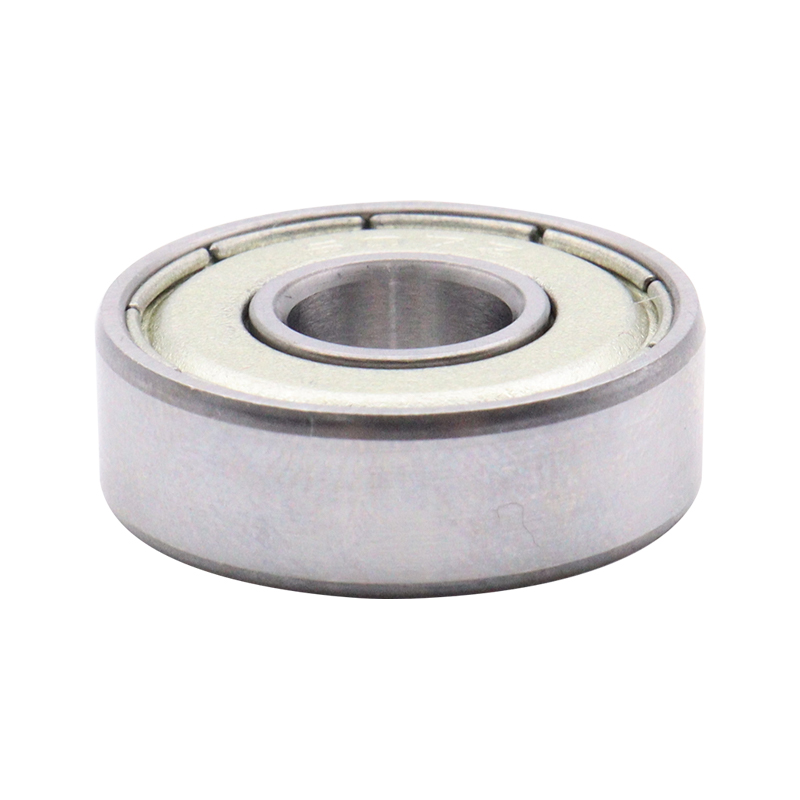
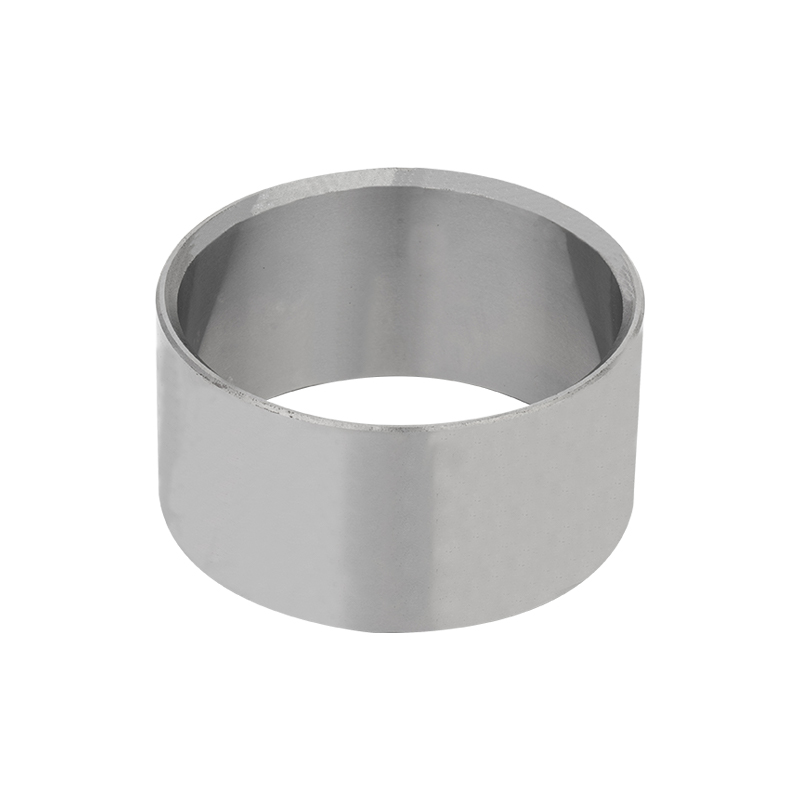
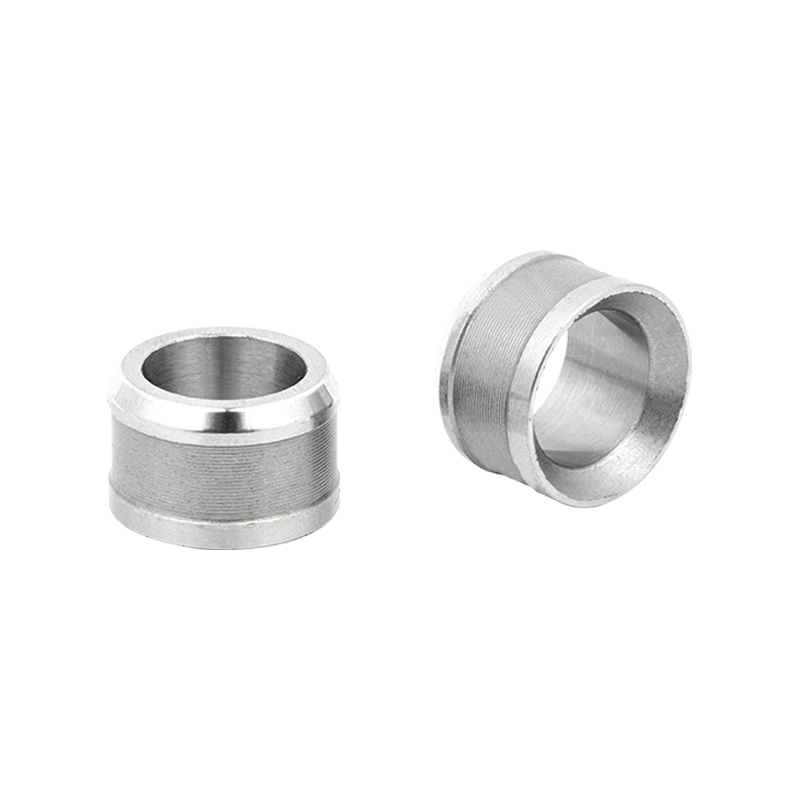
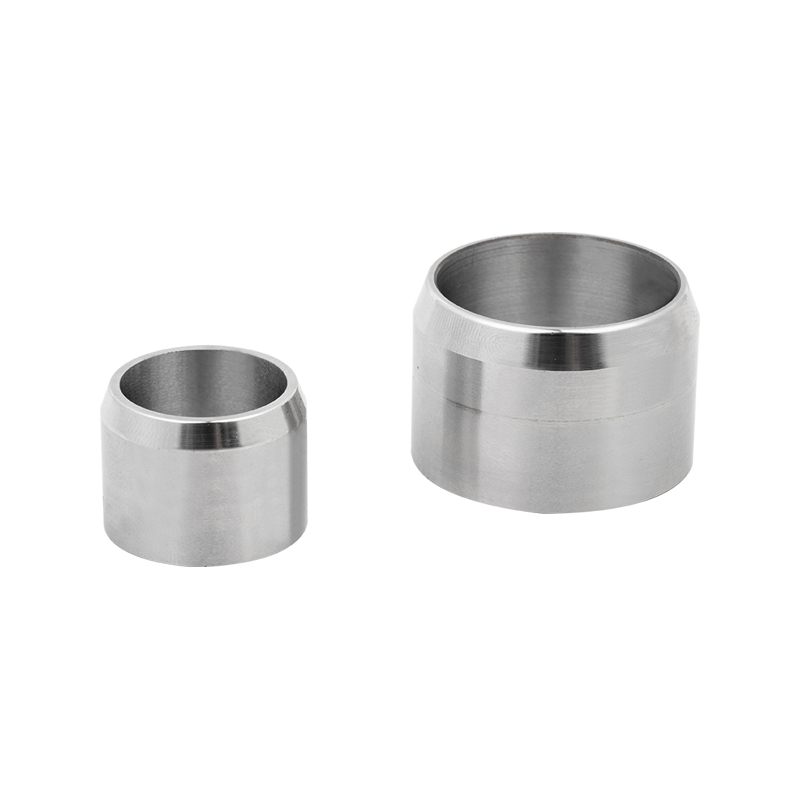
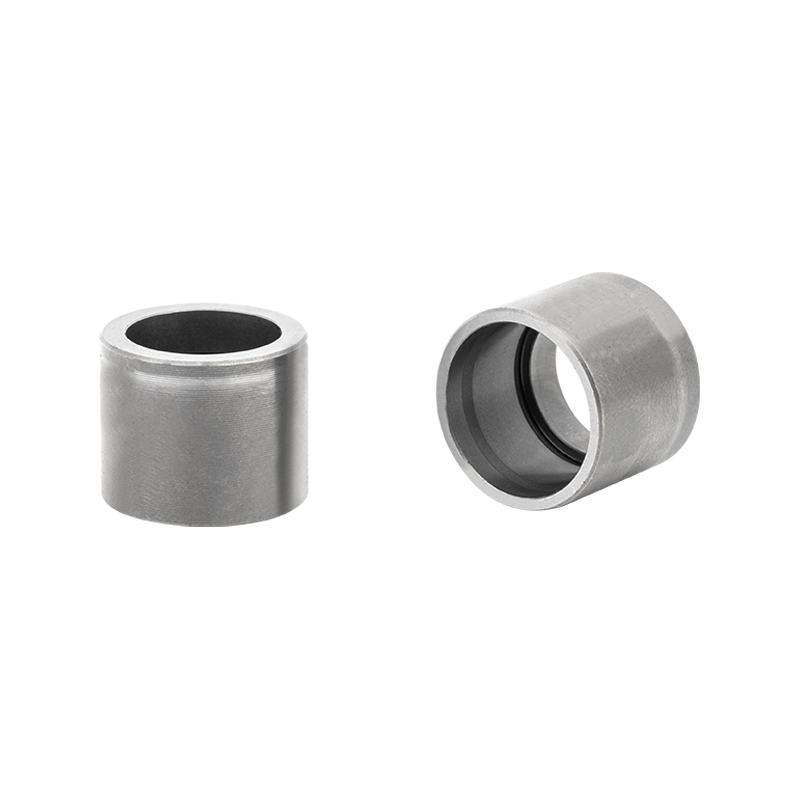
Selected Bearing Display

 Download Catalog
