 English
 中文简体
中文简体 عربى
عربى
Contact Us




founded in 2006, is an enterprise focusing on the R&D, manufacturing, and customization of non-standard bearings, high-precision bearings (import substitution), and bearing accessories and mechanical parts. With more than 30 years of technical design experience, FTM has earned an excellent reputation in the field of high-quality bearings. Our professional technical team provides domestic and foreign customers with high-quality bearing solutions in engineering machinery, textile machinery, and other fields.
News Directory
Author: FTM
Date: Jan 02, 2026
How to Choose the Best Ball Bearings: A Comprehensive Guide
Welcome to our professional guide on selecting the ideal bearing solutions for your machinery. As a leading manufacturer in the bearing industry, we understand that choosing the right component is the difference between seamless operation and costly downtime. This guide is designed to walk you through every technical detail required to optimize your equipment’s performance and longevity.
1. Introduction
In the world of mechanical engineering, ball bearings are the unsung heroes of motion. They are highly engineered components designed to reduce friction between moving parts while supporting various types of loads. Whether it is the high-speed turbine of an aircraft or the precision joints of a robotic arm, ball bearings ensure that rotational motion is smooth, efficient, and durable.
The primary purpose of this guide is to empower engineers, procurement specialists, and maintenance professionals with the knowledge needed to navigate the complex variables of bearing selection. By the end of this series, you will be able to match specific bearing types, materials, and precision levels to your unique operational requirements.
Quick Reference: The Role of Ball Bearings
| Feature | Description |
|---|---|
| Primary Function | Reduces rotational friction and supports radial/axial loads. |
| Key Benefit | Increases machinery lifespan and reduces energy consumption. |
| Critical Factor | Selecting the wrong bearing can lead to premature failure and safety risks. |
| Versatility | Available in thousands of sizes and configurations for every industry. |
2. Understanding Ball Bearings
To choose the right bearing, one must first understand what happens inside these precision-engineered components. At its core, a ball bearing is a type of rolling-element bearing that uses spherical balls to maintain the separation between the bearing races.
What is a Ball Bearing?
A ball bearing is a mechanical assembly that facilitates rotation while minimizing friction. Unlike sliding bearings (bushings), which rely on a film of lubricant between two surfaces, ball bearings utilize “rolling motion.” Because rolling friction is significantly lower than sliding friction, ball bearings allow machinery to run at higher speeds with less heat generation.
Components of a Ball Bearing
A standard ball bearing consists of four primary parts:
- Outer Race: The outer ring that fits into the housing.
- Inner Race: The inner ring that fits onto the rotating shaft.
- Balls (Rolling Elements): Spheres positioned between the races that carry the load.
- Cage (Retainer): A structure that prevents the balls from rubbing against each other and ensures they remain evenly spaced.
How Ball Bearings Work
The fundamental principle of a ball bearing is the conversion of sliding friction into rolling friction. As the shaft rotates, it turns the inner race. This movement causes the balls to roll within the grooves (raceways) of both the inner and outer races.
Key Functions:
- Friction Reduction: By providing smooth metal balls to roll against polished surfaces, energy loss is minimized.
- Load Support: They transmit the load from the rotating assembly to the stationary housing.
- Positioning: They ensure the shaft remains in its proper radial and axial position during operation.
Component Comparison Table
| Component | Primary Material | Function |
|---|---|---|
| Inner Race | Chrome Steel / Stainless | Provides the track for balls on the shaft side. |
| Outer Race | Chrome Steel / Stainless | Provides the track for balls on the housing side. |
| Balls | Steel / Ceramic | The rolling elements that transmit the load. |
| Cage | Steel / Brass / Nylon | Maintains ball spacing and prevents internal friction. |
| Shields/Seals | Metal / Rubber | (Optional) Keeps lubrication in and contaminants out. |
3. Types of Ball Bearings
Not all rotation is created equal. Depending on the direction of the force and the speed of the application, different internal geometries are required. Here are the most common types of ball bearings used in modern industry.
Deep Groove Ball Bearings
These are the most widely used bearing type due to their versatility and cost-effectiveness. They feature deep raceway grooves where the inner and outer rings have circular arcs of slightly larger radius than that of the balls.
- Best for: High speeds and both radial and (limited) axial loads.
- Key Advantage: Simple design, robust in operation, and requires little maintenance.
Angular Contact Ball Bearings
These bearings have raceways in the inner and outer rings that are displaced relative to each other in the direction of the bearing axis.
- Best for: Combined loads (simultaneous acting radial and axial loads).
- Key Advantage: The axial load-carrying capacity increases as the contact angle increases. They are often used in pairs (back-to-back or face-to-face) for high-precision applications like machine tool spindles.
Self-Aligning Ball Bearings
This type has two rows of balls and a common sphered raceway in the outer ring. This allows the bearing to be “self-aligning,” meaning it can handle angular misalignment of the shaft relative to the housing.
- Best for: Applications where shaft deflection or misalignment is likely.
- Key Advantage: Reduces friction and frictional heat, even when the shaft is slightly out of line.
Thrust Ball Bearings
Unlike the types above, thrust bearings are designed specifically to handle axial (thrust) loads and cannot sustain any radial load.
- Best for: Low-speed applications with heavy vertical or axial loads, such as crane hooks or rotating tables.
- Key Advantage: Excellent axial rigidity.
Miniature Ball Bearings
These are small bearings with a bore diameter usually less than 10mm. Despite their size, they are manufactured to extreme precision levels.
- Best for: Medical equipment, robotics, instrumentation, and small motors.
- Key Advantage: Extremely low torque and high-speed capability in a compact footprint.
Bearing Selection Comparison Table
| Bearing Type | Radial Load Capacity | Axial Load Capacity | Speed Capability | Misalignment Tolerance |
|---|---|---|---|---|
| Deep Groove | High | Moderate | Very High | Low |
| Angular Contact | Moderate | High | High | Low |
| Self-Aligning | Moderate | Low | Medium | High |
| Thrust | None | Very High | Low | Low |
| Miniature | Low | Low | Very High | Low |
4. Factors to Consider When Choosing Ball Bearings
Selecting the “best” bearing is not about finding the most expensive option; it is about finding the perfect match for your application’s operating conditions. Failure to account for these variables often leads to “premature bearing death.”
Load Requirements
Load is the most critical factor. You must determine both the direction and the magnitude of the force.
- Radial Load: Force acting perpendicular to the shaft (e.g., a belt pulling on a pulley).
- Axial (Thrust) Load: Force acting parallel to the shaft (e.g., a drill bit pressing into a surface).
- Static vs. Dynamic: Static load refers to the maximum weight the bearing can handle while stationary without permanent deformation. Dynamic load refers to the capacity while the bearing is rotating.
Speed Requirements
Every bearing has a “limiting speed.” Exceeding this causes excessive heat buildup and lubricant breakdown.
- High-Speed Needs: Require high-precision balls and specialized cages (like phenolic or brass) to minimize centrifugal force and friction.
- Lubrication Correlation: Higher speeds typically require oil lubrication or specialized high-speed greases.
Operating Environment
Where will the bearing live? The environment dictates the material and sealing.
- Temperature: Standard steel loses hardness at extreme temperatures. High-heat environments may require ceramic balls or specialized heat-treatment.
- Corrosion: For food processing or marine environments, stainless steel or plastic is mandatory to prevent rust.
- Contamination: If dust or debris is present, you must choose Seals (rubber contact) or Shields (metal non-contact) to protect the internal raceways.
Precision and Tolerance (ABEC Ratings)
The ABEC scale (1, 3, 5, 7, and 9) measures the dimensional and runout tolerances of a bearing.
- ABEC 1-3: Standard for most industrial machinery and electric motors.
- ABEC 7-9: Reserved for high-speed spindles, aerospace, and high-precision instruments.
Material Selection
| Material | Pros | Cons |
|---|---|---|
| Chrome Steel (GCr15) | Most durable, high load capacity, cost-effective. | Prone to corrosion. |
| Stainless Steel (440C) | Excellent corrosion resistance. | Lower load capacity than chrome steel. |
| Ceramic (Si3N4) | Lightweight, non-conductive, handles extreme heat. | High cost, brittle under heavy impact. |
| Plastic | Lightweight, chemical resistant, no lubrication needed. | Low load and speed capacity. |
Lubrication
Lubrication reduces friction, dissipates heat, and prevents rust.
- Grease: Stays in place, provides “lubricated for life” convenience. Best for moderate speeds.
- Oil: Better for high speeds and heat dissipation, but requires a closed system to prevent leaks.
5. Applications of Ball Bearings
Ball bearings are integral to virtually every industry that involves motion. Because they are designed to handle different load types and speeds, their applications vary widely.
- Automotive Industry: Used in wheel hubs, transmissions, alternators, and engines. High-durability chrome steel bearings are standard here to withstand constant vibration and varying temperatures.
- Aerospace Industry: This sector requires high-precision (ABEC 7 or 9) bearings. Ceramic hybrid bearings are often used in jet engines and satellites due to their ability to withstand extreme speeds and thermal fluctuations.
- Medical Devices: Miniature and stainless steel bearings are essential for surgical tools, dental drills, and imaging equipment (MRI/CT scanners). These must be corrosion-resistant and operate with extremely low noise.
- Robotics: Precision angular contact bearings are used in robot joints to ensure smooth, repeatable movement and to handle the combined loads of moving arms.
- Industrial Machinery: From conveyor systems to electric motors and pumps, deep groove ball bearings are the workhorses of the manufacturing plant.
6. Maintenance and Care
Even the highest quality bearing will fail prematurely if not handled or maintained correctly. Proper care extends the life of your equipment and prevents unexpected downtime.
Proper Installation
Many bearing failures start at the installation phase.
- Use Proper Tools: Never strike a bearing directly with a hammer. Use bearing pullers, induction heaters, or specialized press tools.
- Avoid Contamination: Keep bearings in their original packaging until the moment of installation to prevent dust and grit from entering the raceways.
Regular Inspection
Implement a predictive maintenance schedule:
- Listen for Noise: Grinding or squealing sounds often indicate lubrication failure or internal damage.
- Monitor Vibration: Excessive vibration is a sign of misalignment or worn raceways.
- Check Temperature: A sudden rise in operating temperature usually points to over-lubrication or excessive friction.
Lubrication Practices
- Don’t Over-Lubricate: Too much grease causes “churning,” which leads to high temperatures and seal failure.
- Consistency: Never mix different types of grease (e.g., lithium-based vs. polyurea) as they may be chemically incompatible.
Conclusion
Choosing the best ball bearing requires a careful balance of load capacity, speed, environment, and material science. By understanding the specific demands of your application—whether it’s the high precision of a medical device or the rugged durability of an industrial pump—you can select a component that ensures peak performance and longevity.
As a professional bearing manufacturer, we are dedicated to providing high-quality solutions tailored to your technical specifications. Investing in the right bearing today saves significant time and costs in maintenance tomorrow.
Frequently Asked Questions (FAQ)
1. How do I know if I should choose a shielded or a sealed ball bearing?
The choice depends on your environment. Shields (ZZ) are non-contact metal plates that offer low friction, making them ideal for high-speed applications in clean environments. Seals (2RS) are contact rubber seals that provide better protection against dust and moisture, though they have a lower speed limit due to friction.
2. Why do ball bearings fail prematurely?
The most common causes are inadequate lubrication (50% of cases), contamination, improper installation (using force on the wrong race), and misalignment. Regular maintenance and using the correct installation tools can prevent most of these issues.
3. What is the advantage of Ceramic Ball Bearings over Steel?
Ceramic balls (typically Silicon Nitride) are 40% less dense than steel, meaning they generate less centrifugal force at high speeds. They also operate at lower temperatures, are non-conductive, and do not require as much lubrication, making them superior for extreme high-speed or vacuum environments.
4. Can Deep Groove Ball Bearings handle axial loads?
Yes, deep groove ball bearings can handle moderate axial loads in both directions in addition to radial loads. However, if the axial load is the primary force, an Angular Contact or Thrust ball bearing would be a more efficient choice.
5. What does the ABEC rating tell me about a bearing?
The ABEC rating (1 to 9) measures the dimensional precision and manufacturing tolerances. A higher ABEC number (like ABEC 7) means the bearing is manufactured to tighter tolerances, resulting in higher precision, smoother rotation, and the ability to handle higher speeds with less vibration.
References
To ensure the technical accuracy of this guide, the following industry standards and engineering resources were consulted:
- ISO 15:2017 – Rolling bearings — Radial bearings — Boundary dimensions, general plan.
- ANSI/ABMA Std. 20 – Radial Bearings of Ball, Cylindrical Roller, and Spherical Roller Types - Metric Design.
- The Ball Bearing Handbook – Technical specifications on load ratings, fatigue life, and material properties.
- SKF Interactive Engineering Catalogue – Guidelines on lubrication, speed limits, and bearing mounting procedures.
- STLE (Society of Tribologists and Lubrication Engineers) – Best practices for bearing grease and oil selection.
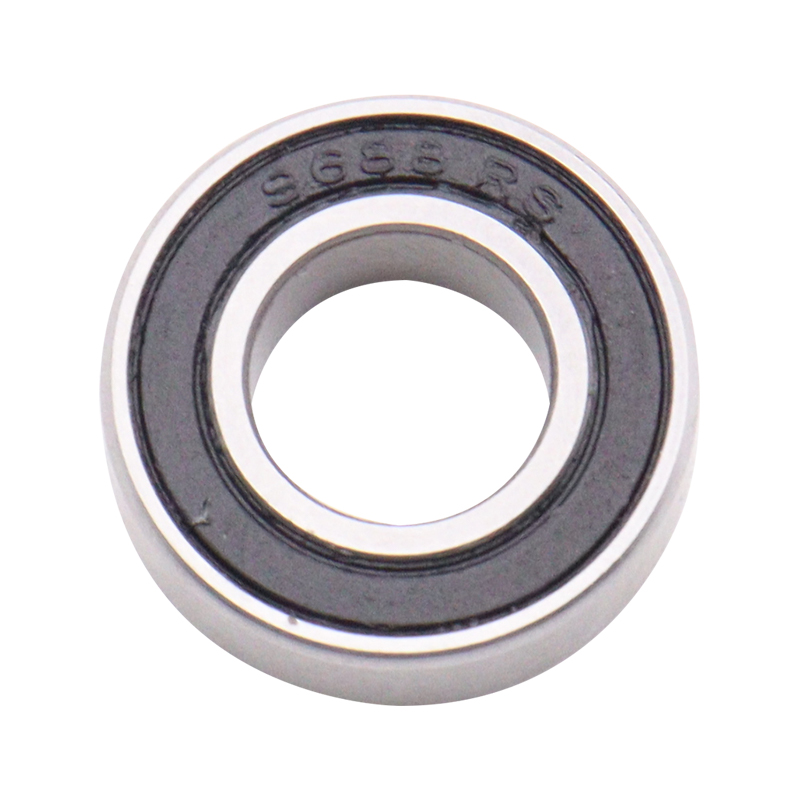
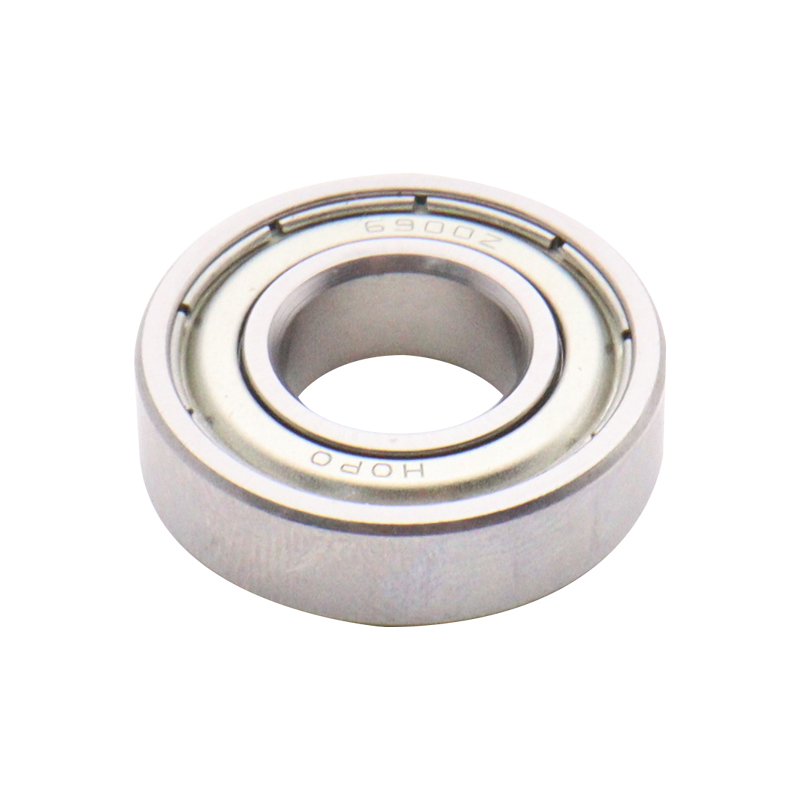
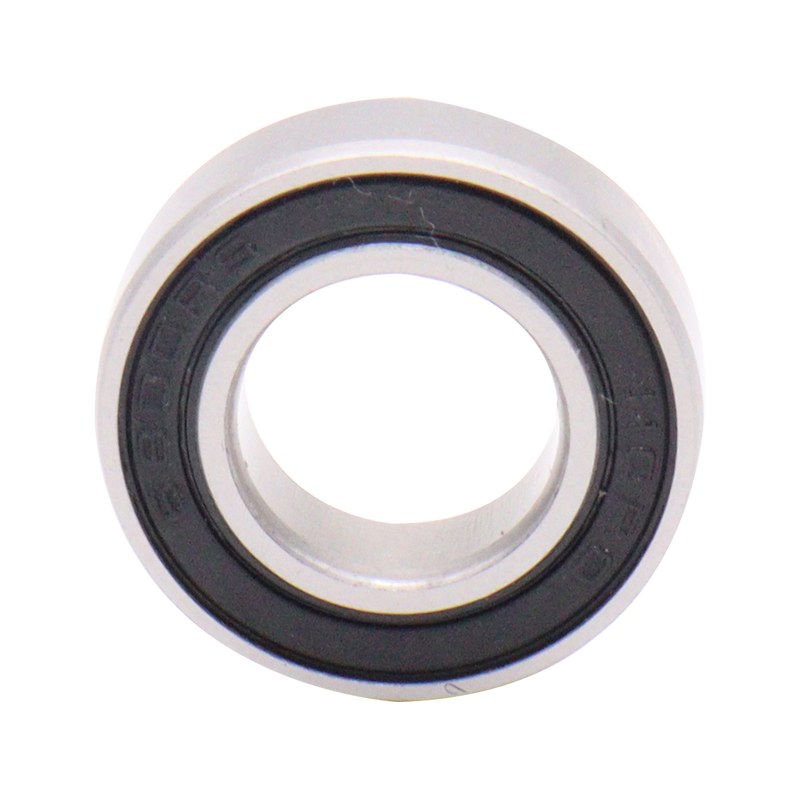
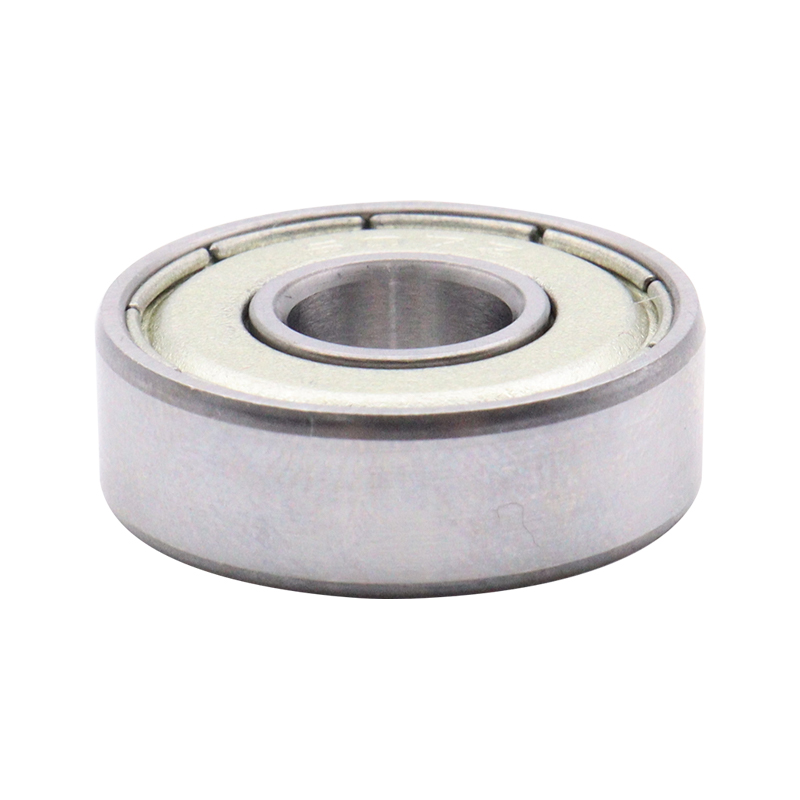
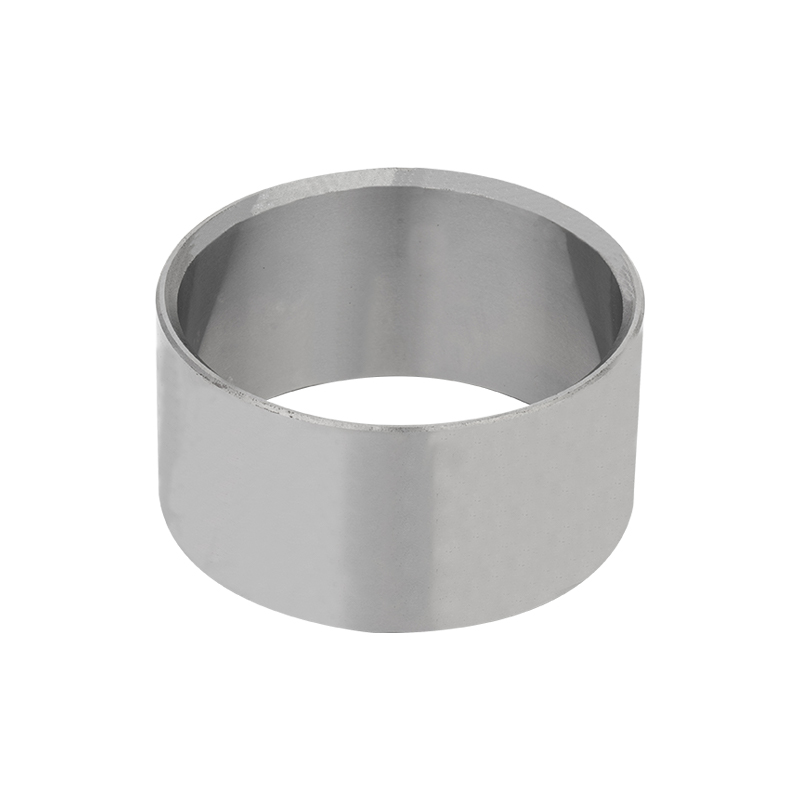
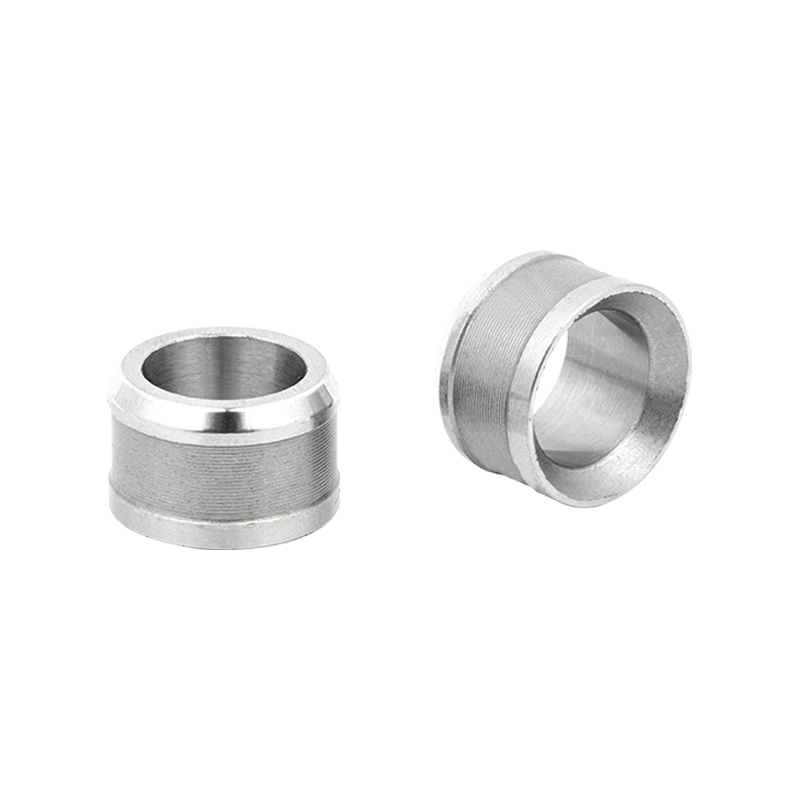
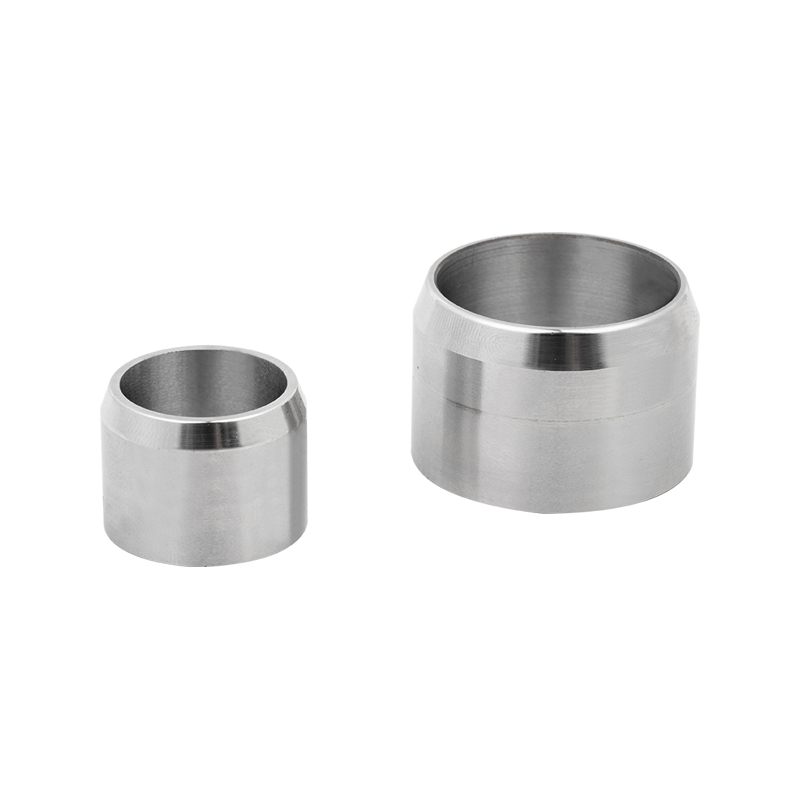
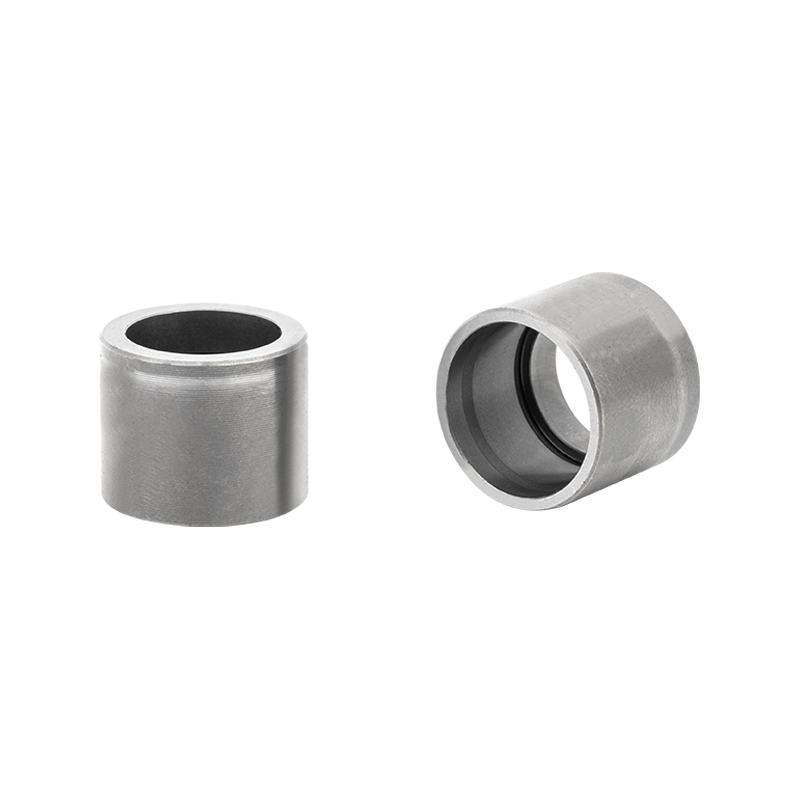
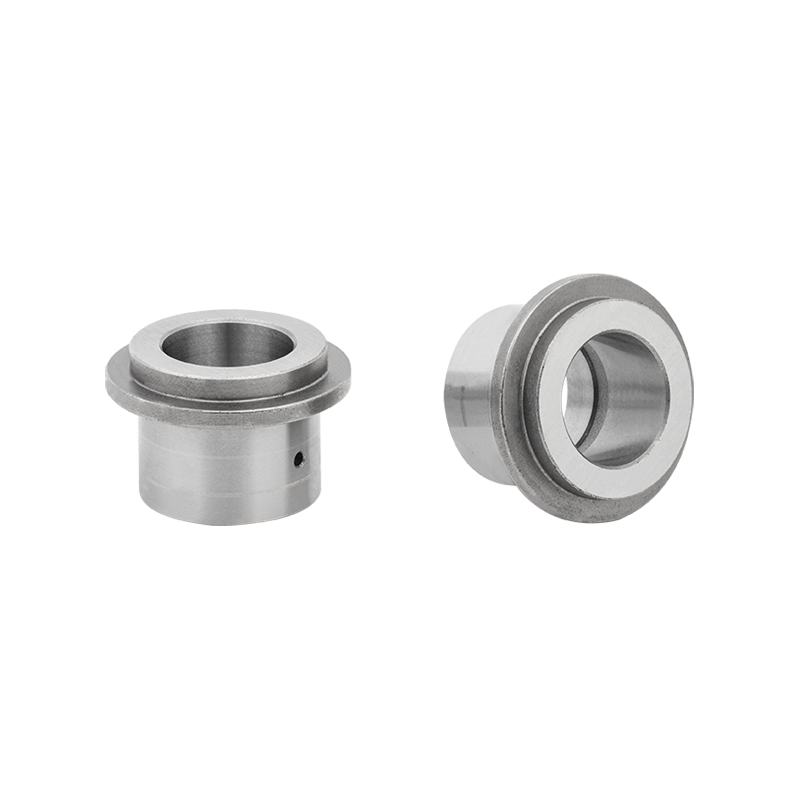
Selected Bearing Display

 Download Catalog
