 English
 中文简体
中文简体 عربى
عربى
Contact Us




founded in 2006, is an enterprise focusing on the R&D, manufacturing, and customization of non-standard bearings, high-precision bearings (import substitution), and bearing accessories and mechanical parts. With more than 30 years of technical design experience, FTM has earned an excellent reputation in the field of high-quality bearings. Our professional technical team provides domestic and foreign customers with high-quality bearing solutions in engineering machinery, textile machinery, and other fields.
News Directory
- 1. Introduction
- 2. Understanding Ball Bearings
- 3. Factors Influencing Ball Bearing Size Selection
- 4. How to Determine the Correct Ball Bearing Size
- 5. Common Ball Bearing Sizes for Electric Motors
- 6. Installation and Maintenance Tips
- 7. Troubleshooting Bearing Issues
- Conclusion
- Frequently Asked Questions (FAQ)
- References & Industry Standards
Author: FTM
Date: Jan 09, 2026
Selecting the Perfect Ball Bearing Size for Your Electric Motor: A Comprehensive Guide
1. Introduction
Electric motors are the workhorses of modern industry, powering everything from small household appliances to massive industrial pumps and conveyor systems. At the heart of these motors lies a critical component that often goes unnoticed until something goes wrong: the ball bearing.
Ball bearings are designed to reduce friction between moving parts, supporting the motor’s shaft and allowing it to rotate smoothly at high speeds. Because they handle both the physical weight of the motor components and the dynamic forces generated during operation, their role is fundamental to the machine’s overall health.
Why Choosing the Right Ball Bearing Size is Crucial
Selecting the correct bearing size is not just a matter of “making it fit.” It is a technical decision that directly impacts the efficiency, safety, and lifespan of the electric motor. Using an incorrectly sized bearing—whether too small to handle the load or improperly cleared for the speed—can lead to catastrophic failures.
The following table highlights the primary benefits of precise bearing selection:
| Benefit | Description |
|---|---|
| Optimal Performance | Ensures the motor reaches its rated RPM without excessive heat or vibration. |
| Extended Longevity | Reduces wear and tear, preventing premature fatigue of the metal components. |
| Energy Efficiency | Minimizes friction, meaning the motor requires less power to maintain rotation. |
| Reduced Downtime | Properly sized bearings require less frequent replacement, keeping operations running. |
| Cost Savings | Prevents expensive motor repairs or total system replacements caused by bearing seizure. |
By understanding the relationship between motor specifications and bearing dimensions, you can ensure that your equipment operates at peak performance for years to come.
2. Understanding Ball Bearings
Before selecting a size, it is essential to understand what a ball bearing is and how it functions within the unique environment of an electric motor.
What are Ball Bearings and Their Function?
In an electric motor, the primary function of a ball bearing is to support and guide the rotating shaft. It converts sliding friction into rolling friction, which is significantly lower. This allows the motor to rotate at high speeds with minimal energy loss and heat generation.
Key Components of a Ball Bearing
A standard deep groove ball bearing consists of four primary parts. Each plays a specific role in determining the overall size and capacity of the unit:
| Component | Function |
|---|---|
| Outer Ring | Mounted in the motor housing; it remains stationary and provides the outer raceway. |
| Inner Ring | Mounted directly onto the motor shaft; it rotates with the shaft. |
| Rolling Elements (Balls) | Positioned between the rings, these carry the load and enable the rolling motion. |
| Cage (Retainer) | Spaces the balls evenly to prevent contact between them and ensure uniform load distribution. |
Types of Ball Bearings Commonly Used in Electric Motors
While there are many bearing designs, electric motors typically utilize specific types based on their load-bearing requirements:
- Deep Groove Ball Bearings: The most common type used in electric motors. They can handle both radial loads (perpendicular to the shaft) and moderate axial loads (parallel to the shaft) in both directions.
- Angular Contact Ball Bearings: Often used in vertical motors or applications with high thrust requirements. They are designed to handle significant axial loads in one direction.
- Cylindrical Roller Bearings: Sometimes used on the “drive end” of larger motors where heavy radial loads are present, though they do not handle axial loads as well as ball bearings.
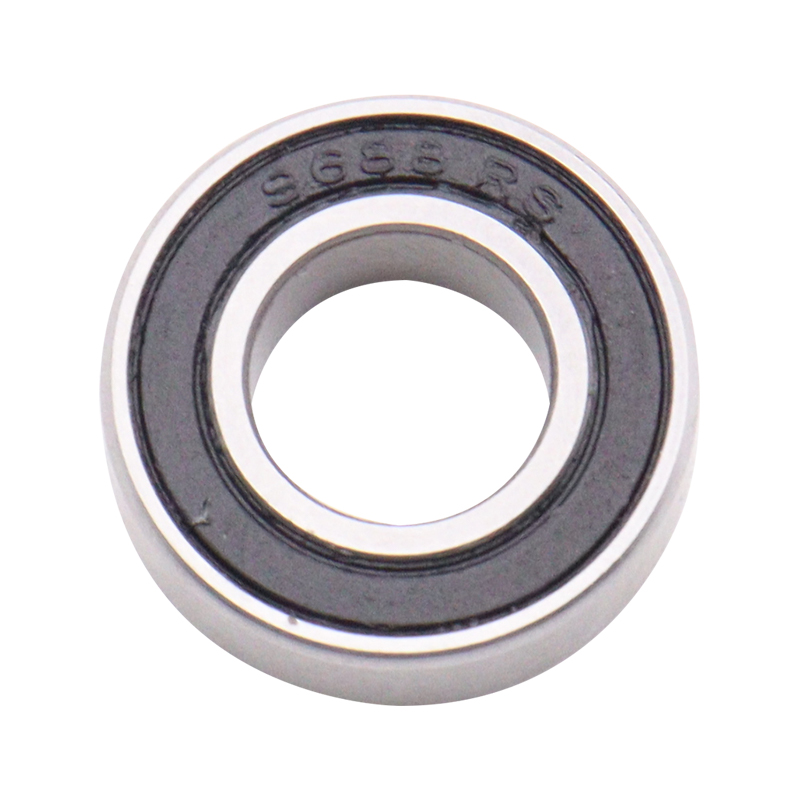
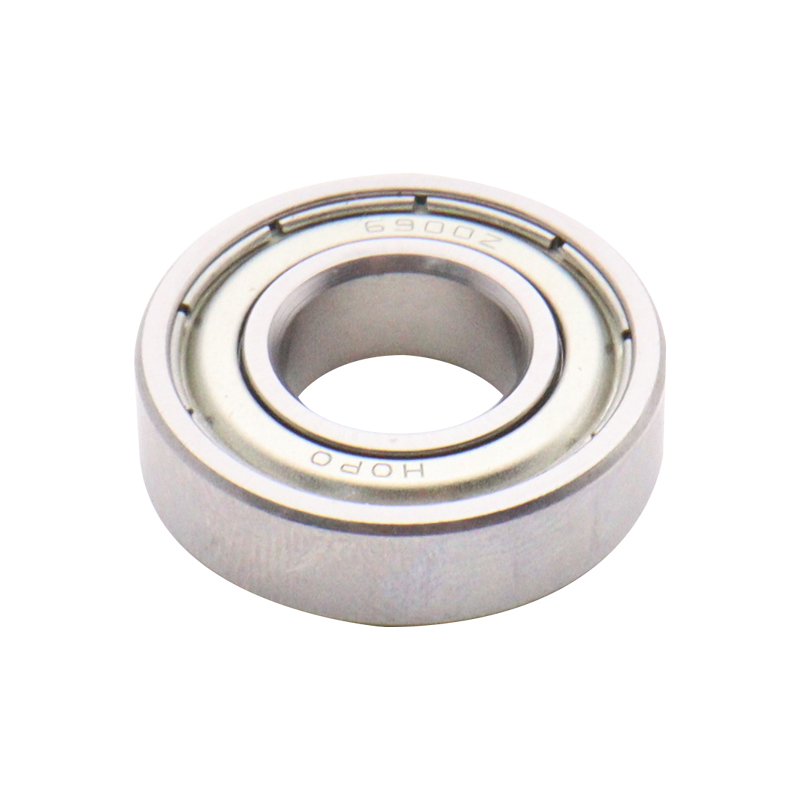
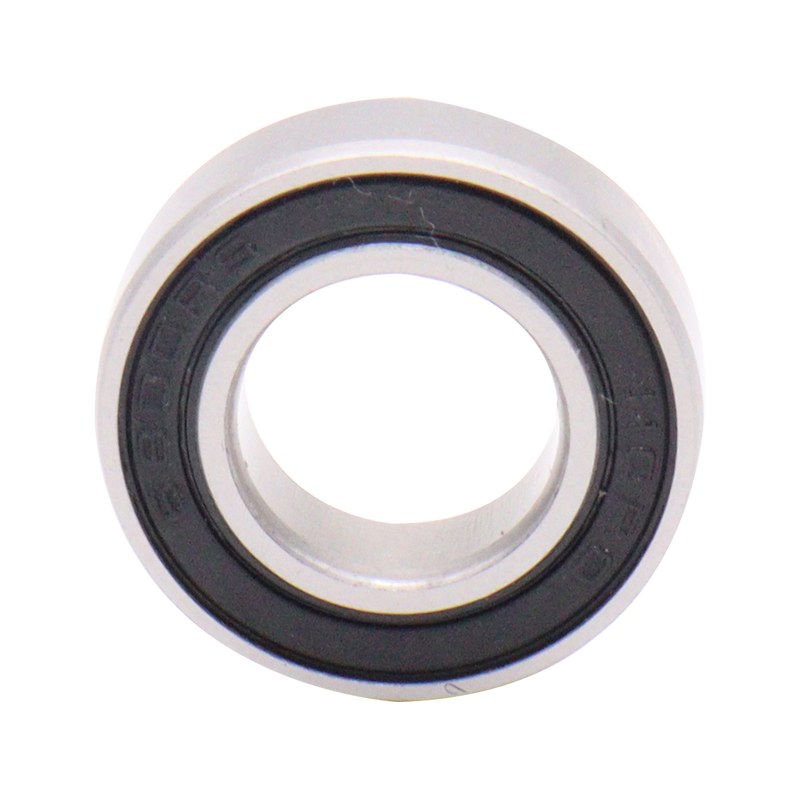
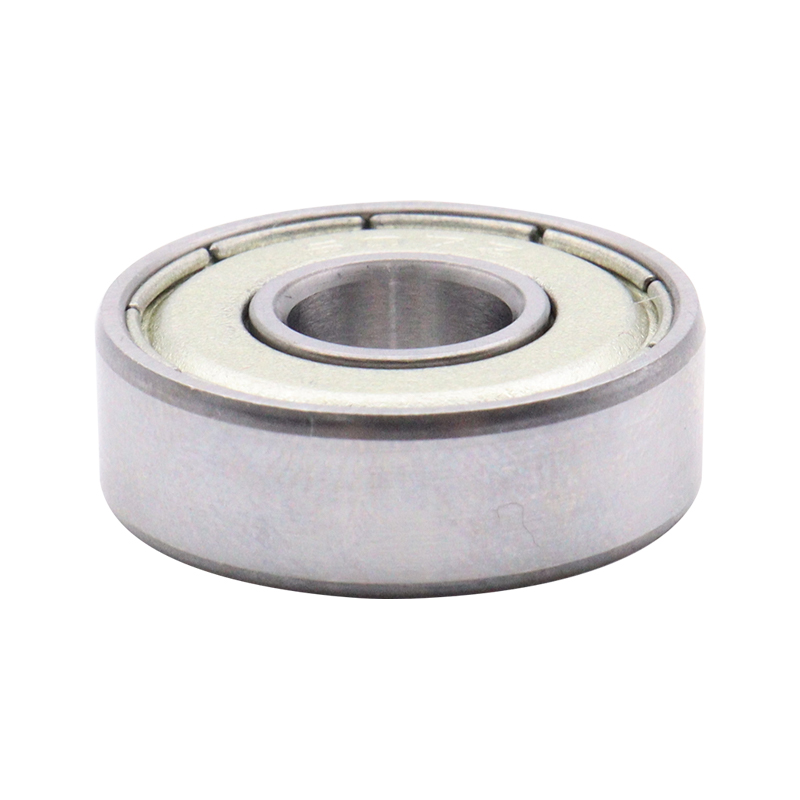
- Shielded and Sealed Bearings: These are deep groove bearings equipped with metal shields (ZZ) or rubber seals (2RS) to retain lubrication and keep out dust and moisture.
3. Factors Influencing Ball Bearing Size Selection
Selecting the right bearing size is a balancing act between physical dimensions and performance capabilities. Here are the primary factors you must evaluate:
Motor Size and Load Requirements
The physical size of the motor usually determines the shaft diameter, but the internal load determines the bearing’s robustess.
- Radial vs. Axial Loads: You must identify if the force is pushing down on the shaft (radial) or pushing along the length of the shaft (axial/thrust).
- Torque and Horsepower: Higher horsepower motors generate more heat and stress, requiring bearings with higher load ratings to prevent metal fatigue.
Operating Speed (RPM)
Speed is a critical factor because every bearing size has a “limiting speed.”
- Heat Generation: As the RPM increases, friction generates heat. If a bearing is too large for a high-speed application, the rolling elements may slide instead of roll, leading to rapid failure.
- Precision Levels: High-speed motors often require higher precision grades (such as ABEC 5 or 7) to minimize vibration.
Operating Temperature
Temperature affects the “internal clearance” of the bearing.
- Thermal Expansion: As the motor heats up, the metal rings and balls expand. If the bearing size and clearance (e.g., C3 clearance) aren’t chosen correctly, the bearing can become “tight” and seize.
- Lubricant Life: High temperatures thin out grease, requiring bearings designed to hold specific high-temp lubricants.
Environmental Conditions
The environment dictates whether you need extra protection for your bearing.
- Contamination: If the motor operates in a dusty or wet environment, you must choose a size that accommodates integrated seals.
- Sealed vs. Shielded:
- Shielded (ZZ): Best for high speeds and relatively clean environments.
- Sealed (2RS): Best for maximum protection against moisture and debris.
Mounting and Housing Considerations
The bearing must fit perfectly within the motor’s physical “envelope.”
| Consideration | Impact on Selection |
|---|---|
| Shaft Diameter | Determines the Bore Size (the inner diameter of the bearing). |
| Housing Diameter | Determines the Outside Diameter (OD) of the bearing. |
| Width/Thickness | Ensure the bearing fits within the end-bell or housing cap depth. |
| Fit Tolerances | Determines if the bearing should be a “press fit” or “slip fit” based on the application. |
4. How to Determine the Correct Ball Bearing Size
Finding the perfect fit involves a combination of referencing manufacturer data and performing precise physical measurements.
Consulting Motor Specifications
The fastest and most reliable way to determine bearing size is to check the motor’s documentation.
- The Nameplate: Most industrial motors have a nameplate that lists the bearing numbers (e.g., “Drive End: 6308, Opp. Drive End: 6206”).
- Manufacturer Manuals: Digital or printed manuals provide exact specifications for replacements, including required internal clearances (like C3 or C4).
Using Load Calculation and Life Ratings
In engineering and design phases, we look at the relationship between the bearing size and its expected lifespan.
- Dynamic and Static Loads: Every bearing size has a “Basic Dynamic Load Rating” © and a “Static Load Rating” (Co). The size selected must ensure these ratings exceed the forces generated by the motor.
- L10 Life Expectancy: This is a standard calculation used to estimate the number of hours 90% of a group of identical bearings will last under specific operating conditions. Choosing a larger “series” (e.g., moving from a 6200 to a 6300 series) can significantly increase this lifespan.
Measuring Existing Bearings
If the documentation is missing, you can determine the size by measuring the bearing itself using a digital caliper. You must record three key dimensions:
| Dimension to Measure | How to Measure |
|---|---|
| Bore (d) | The internal diameter of the inner ring. |
| Outside Diameter (D) | The total width across the outer ring. |
| Width (B) | The thickness of the bearing from side to side. |
Identifying Bearing Markings and Codes
Standardized codes are etched on the face of the bearing rings. Understanding these codes tells you the size and type immediately:
- First Digit: Indicates the series/type (e.g., ‘6’ stands for Deep Groove Ball Bearing).
- Second Digit: Indicates the duty series (e.g., ‘2’ for light, ‘3’ for medium).
- Last Two Digits: When multiplied by 5, these usually give the bore size in millimeters (for bores 20mm and above). For example, a “6205” has a 25mm bore.
5. Common Ball Bearing Sizes for Electric Motors
In the electric motor industry, most ball bearings follow international standardized numbering systems. Understanding these “series” helps you select a bearing that fits your motor’s physical space while meeting its mechanical demands.
Standard Bearing Series Overview
Most electric motor bearings belong to the 6000 Series (Deep Groove Ball Bearings). This series is categorized by the “duty” or thickness of the rings and balls:
| Bearing Series | Load Rating | Characteristics & Applications |
|---|---|---|
| 6000 Series | Extra Light | Slim profile for space-constrained designs. Best for small high-speed fans and precision instruments. |
| 6200 Series | Light | The most popular series for general-purpose motors. Offers a perfect balance between speed and radial load capacity. |
| 6300 Series | Medium | Features larger rolling elements and thicker rings. Designed for heavy-duty industrial motors and high-vibration environments. |
Specific Examples by Motor Type
Different motor applications naturally gravitate toward specific bearing sizes to ensure longevity:
- Small Appliances & Fractional HP Motors: Often utilize small-bore bearings like the 608, 6201, or 6202. These are optimized for high RPMs and quiet operation in household goods.
- Standard Industrial Motors (1–20 HP): Commonly found using the 6205, 6206, and 6208 sizes. These are the workhorses of factory automation and pump systems.
- Heavy-Duty & Large Torque Motors: Applications involving belt drives or heavy gearboxes typically use the 6310, 6312, or 6314 to handle the increased radial tension and weight.
Quick Reference: Interpreting the Bore Code
For bearings with a bore diameter of 20mm or larger, you can identify the size simply by looking at the last two digits of the bearing number:
| Suffix Code | Bore Diameter (ID) | Example Model |
|---|---|---|
| 00 | 10 mm | 6200 |
| 01 | 12 mm | 6001 |
| 02 | 15 mm | 6202 |
| 03 | 17 mm | 6303 |
| 04 | 20 mm | 6204 |
| 05 | 25 mm | 6305 |
| 08 | 40 mm | 6208 |
6. Installation and Maintenance Tips
Even a perfectly sized, high-quality bearing will fail prematurely if it is installed incorrectly or neglected during operation. Follow these industry best practices to protect your investment.
Proper Installation Techniques
The goal during installation is to avoid transmitting force through the rolling elements (the balls), which can cause “brinelling”—tiny permanent indentations on the raceways.
- Cleanliness is Key: Ensure the shaft and housing are free of burrs, metal shavings, and old grease before installation.
- Use the Right Tools: Use a bearing heater or an induction heater for large bearings to expand the inner ring for a “shrink fit.” For smaller bearings, use a mounting tool or a sleeve that applies pressure only to the ring being fitted (the inner ring for the shaft, the outer ring for the housing).
- Alignment: Ensure the bearing is seated perfectly square. Even a slight misalignment can cause uneven loading and rapid heat buildup.
Lubrication Guidelines
Lubrication is the lifeblood of the bearing. It prevents metal-to-metal contact and dissipates heat.
| Lubrication Aspect | Recommendation |
|---|---|
| Grease Fill | For most motors, the bearing cavity should be filled to 30%–50% of its volume. Over-greasing causes churning and overheating. |
| Compatibility | Never mix different types of grease (e.g., Lithium-based vs. Polyurea) as they may react and lose their lubricating properties. |
| Frequency | Follow the motor manufacturer’s re-greasing intervals based on operating hours and environmental temperature. |
Regular Inspection and Replacement
Establish a predictive maintenance schedule to catch issues before they lead to a total motor shutdown.
- Acoustic Monitoring: Use a stethoscope or ultrasonic tool to listen for “grinding” or “chirping” sounds.
- Vibration Analysis: Regularly check for increases in vibration levels, which often indicate the onset of bearing fatigue or cage damage.
- Temperature Tracking: A sudden spike in the bearing housing temperature is a clear warning sign of lubrication failure or excessive load.
7. Troubleshooting Bearing Issues
Even with the correct size and professional installation, external factors can occasionally cause issues. Recognizing these early signs can save your motor from a total burnout.
Common Signs of Bearing Failure
Identifying a problem early is the difference between a simple bearing swap and a full motor replacement.
| Symptom | Potential Cause | Recommended Action |
|---|---|---|
| High-Pitched Whining | Inadequate lubrication or incorrect internal clearance. | Check grease levels and verify clearance (e.g., C3). |
| Low-Frequency Grinding | Contamination (dust/grit) or raceway damage. | Replace bearing and check seals/shields. |
| Excessive Vibration | Misalignment or improper shaft/housing fit. | Re-align the motor and check shaft tolerances. |
| Overheating | Over-greasing or excessive axial load. | Remove excess grease; check for thrust issues. |
Solutions for Resolving Bearing Issues
- Upgrade Sealing: If you find dust inside the bearing, switch from shielded (ZZ) to contact seals (2RS).
- Adjust Clearance: If the motor runs hot and the bearing seizes, consider a “C3” or “C4” clearance to allow for thermal expansion.
- Precision Balancing: For high-speed motors experiencing vibration, ensure the entire rotating assembly is balanced after the new bearing is installed.
Conclusion
Selecting the perfect ball bearing size for your electric motor is a cornerstone of industrial reliability. By carefully considering the bore, outside diameter, and width, while balancing the needs of load, speed, and environment, you ensure that your motor operates with maximum efficiency and minimal downtime.
Remember, the “right” size goes beyond physical dimensions—it involves choosing the correct series (6000, 6200, or 6300) and the appropriate sealing and clearance for your specific application.
Recap of Key Considerations:
- Verify the series based on the motor’s load requirements.
- Match the bore size exactly to the motor shaft diameter.
- Assess the environment to choose between seals or shields.
- Follow strict installation protocols to prevent “hidden” damage during assembly.
As a dedicated bearing manufacturer, we are committed to helping you find the precise components for your machinery. Proper selection today means fewer repairs tomorrow.
Frequently Asked Questions (FAQ)
1. How do I know if I need a C3 clearance bearing for my electric motor?
C3 clearance is recommended for motors that operate at high speeds or in high-temperature environments. This “extra” internal space allows the metal components to expand as they heat up without causing the bearing to seize or create excessive friction. If your motor runs hot under normal conditions, C3 is often the safer choice.
2. Can I replace a shielded (ZZ) bearing with a sealed (2RS) bearing?
Yes, in many cases. A sealed bearing (2RS) provides better protection against dust and moisture. However, keep in mind that contact seals create slightly more friction and heat, which may slightly lower the bearing’s maximum limiting speed compared to a non-contact metal shield.
3. What happens if I install a bearing that is too small for the load?
If a bearing’s dynamic load rating is lower than the actual forces produced by the motor, the metal will suffer from “fatigue flaking” or pitting. This leads to increased noise, vibration, and ultimately a catastrophic failure of the bearing—and potentially the motor shaft—much sooner than the expected service life.
4. Why do some motors use different bearings on the Drive End (DE) and Opposite Drive End (ODE)?
The Drive End (DE) usually carries a heavier load, especially if it is connected to a belt or pulley. Therefore, it often requires a larger or more robust bearing (like the 6300 series). The Opposite Drive End (ODE) primarily supports the shaft’s position and can often use a smaller, lighter-duty bearing (like the 6200 series).
5. How often should I lubricate my electric motor bearings?
This depends on the motor’s size, speed, and operating environment. Small, “sealed-for-life” bearings never require re-lubrication. For larger industrial motors, re-greasing intervals can range from every 2,000 hours to once a year. Always refer to the manufacturer’s lubrication chart provided on the motor nameplate.
References & Industry Standards
To ensure the technical accuracy of your maintenance and selection protocols, we recommend consulting the following international standards and industry bodies:
- ISO 15: Rolling bearings – Radial bearings – Boundary dimensions, general plan.
- ANSI/ABMA Standard 7: Shaft and Housing Fits for Metric Radial Ball and Roller Bearings.
- NEMA MG 1: Motors and Generators (Section on bearing mounting and tolerances).
- ISO 281: Rolling bearings – Dynamic load ratings and rating life.
- SKF / NSK Technical Handbooks: Comprehensive engineering guides for bearing selection and lubrication life calculations.
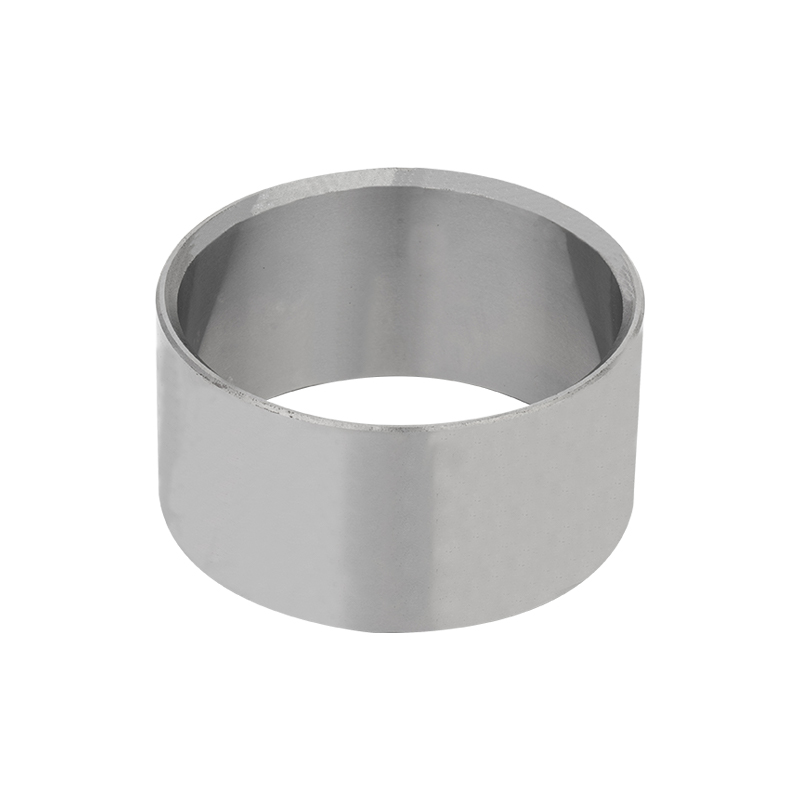
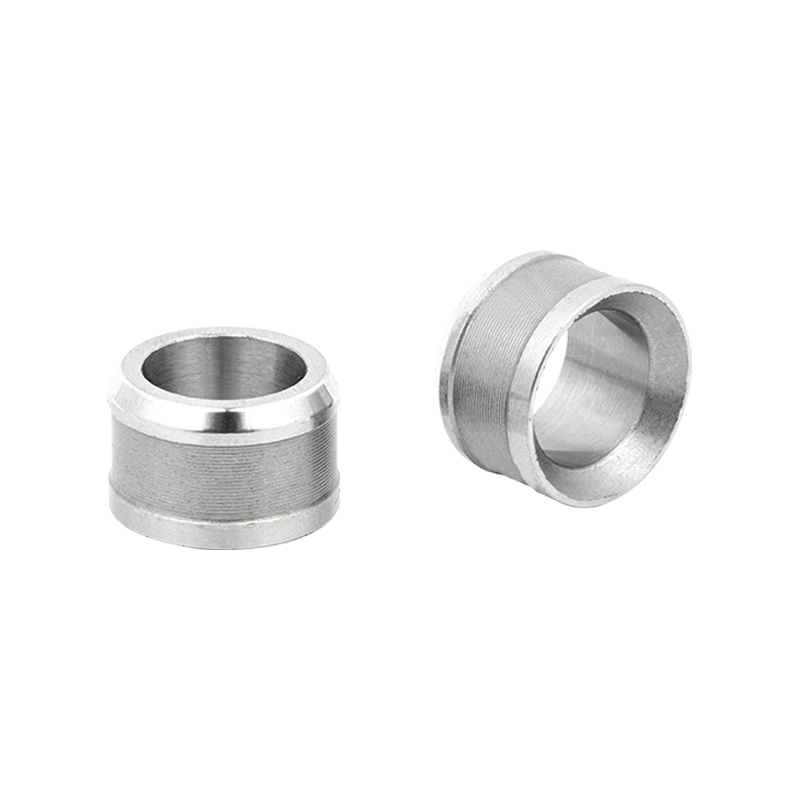
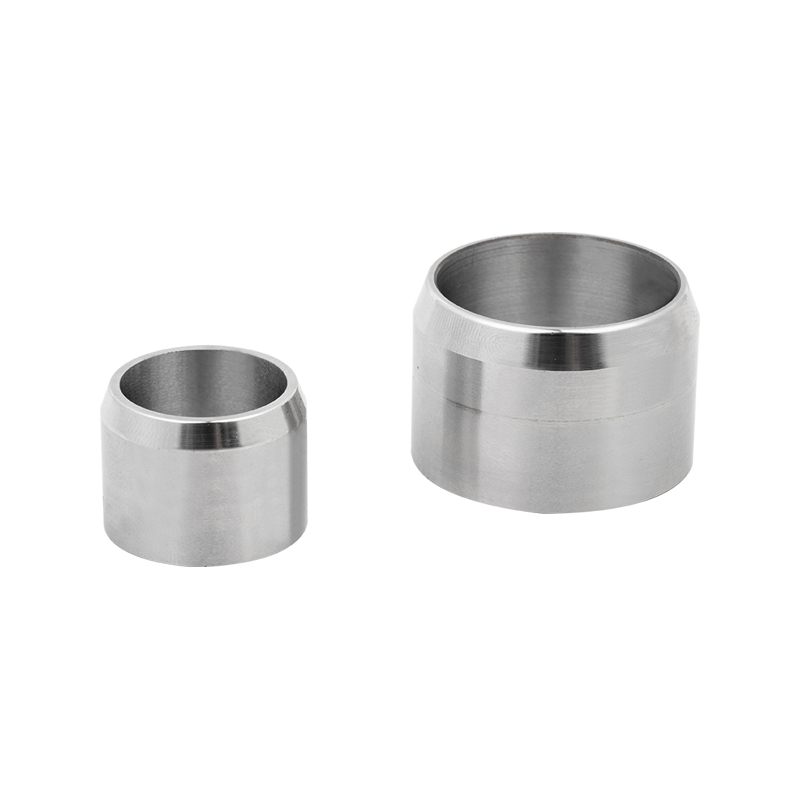
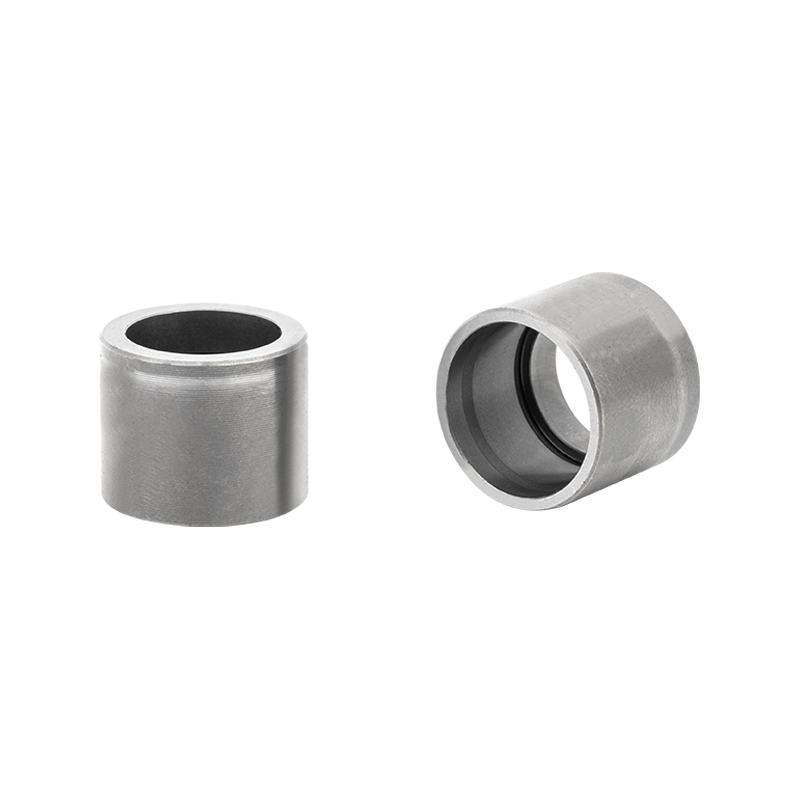
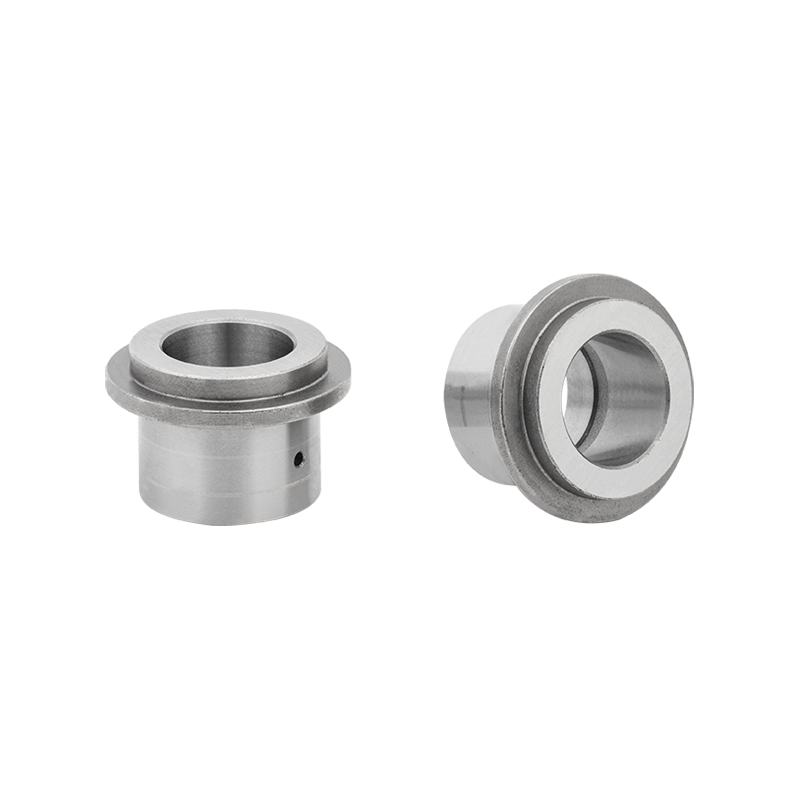
Selected Bearing Display

 Download Catalog
