 English
 中文简体
中文简体 عربى
عربى
Contact Us




founded in 2006, is an enterprise focusing on the R&D, manufacturing, and customization of non-standard bearings, high-precision bearings (import substitution), and bearing accessories and mechanical parts. With more than 30 years of technical design experience, FTM has earned an excellent reputation in the field of high-quality bearings. Our professional technical team provides domestic and foreign customers with high-quality bearing solutions in engineering machinery, textile machinery, and other fields.
News Directory
- Understanding the Fundamentals of Ball Bearings
- Deep Groove vs. Angular Contact: Technical Comparison
- Material Science: Ceramic vs. Steel Ball Bearings
- Critical Factors in Bearing Selection for International Markets
- Root Causes of Bearing Failure and Prevention
- Installation and Maintenance Best Practices
- Frequently Asked Questions (FAQ)
- References
Author: FTM
Date: Apr 26, 2026
Industrial Ball Bearings: A Comprehensive Guide to Selection, Performance, and Maintenance
Understanding the Fundamentals of Ball Bearings
Ball bearings are precision components designed to reduce friction between moving parts of industrial machinery. They consist of four essential elements: an inner ring, an outer ring, rolling elements (the balls), and a cage that keeps the balls evenly spaced. In the context of global manufacturing, the efficiency of a production line often rests on the quality and reliability of these small but critical parts. Selecting the right bearing is not merely a matter of finding a matching size; it requires a deep understanding of load types, rotational speeds, and environmental conditions.
The primary function of a ball bearing is to carry loads while facilitating smooth rotation. Modern industrial applications demand bearings that can withstand rigorous duty cycles without frequent failure. Whether used in high-speed electric motors or heavy-duty conveyor systems, the mechanical integrity of the bearing directly impacts the operational lifespan of the entire equipment. By choosing high-quality manufacturing standards, exporters can ensure that their products meet the stringent requirements of international procurement managers who prioritize uptime and efficiency.
Deep Groove vs. Angular Contact: Technical Comparison
Two of the most common categories in the ball bearing family are deep groove ball bearings and angular contact ball bearings. While they may appear similar at a glance, their internal geometries are engineered for vastly different performance profiles.
Deep Groove Ball Bearings are the most versatile and widely used type. They feature deep, uninterrupted raceway grooves that have a close curvature with the balls. This design allows them to support radial loads effectively and accommodate moderate axial loads in both directions. Because of their low frictional torque, they are ideal for high-speed applications where noise and vibration must be kept to a minimum.
Angular Contact Ball Bearings, on the other hand, have raceways in the inner and outer rings that are displaced relative to each other in the direction of the bearing axis. This specific design is intended to carry combined loads—simultaneous radial and axial loads. The axial load-carrying capacity of these bearings increases as the contact angle increases. In many industrial drive systems, these are used in pairs to provide stability in both axial directions.
| Feature | Deep Groove Ball Bearings | Angular Contact Ball Bearings |
|---|---|---|
| Primary Load | Radial loads | Combined (Radial + Axial) |
| Axial Capacity | Moderate in both directions | High in one direction (per unit) |
| Speed Rating | Very High | High to Very High |
| Complexity | Simple, versatile | Specialized, often used in sets |
| Applications | Motors, appliances, pumps | Machine tool spindles, gearboxes |
Material Science: Ceramic vs. Steel Ball Bearings
The choice of material for the rolling elements and rings is a decisive factor in bearing performance. For decades, high-carbon chromium steel has been the industry standard due to its toughness and cost-effectiveness. However, the rise of high-performance manufacturing has brought ceramic materials into the spotlight.
Steel Bearings offer excellent load-carrying capacity and are highly resistant to physical shocks. They are the go-to choice for general industrial applications where extreme conditions are not present. However, steel is susceptible to corrosion and can lose its structural integrity at very high temperatures. Furthermore, in electrical applications, steel bearings can suffer from electrical pitting if current passes through the motor.
Ceramic Bearings (often utilizing Silicon Nitride balls) provide several distinct advantages in specialized environments. Ceramic balls are 40% less dense than steel, which significantly reduces centrifugal force during high-speed rotation. This results in less heat generation and lower vibration. Additionally, ceramics are non-conductive, making them the perfect solution for preventing electrical erosion in electric vehicle motors and generators. They also boast superior corrosion resistance and can operate in environments where lubrication might be sparse.
Critical Factors in Bearing Selection for International Markets
When preparing products for export, manufacturers must provide technical specifications that align with the needs of global distributors. Selecting the wrong bearing for an application is one of the most common causes of premature machine failure. The following parameters should always be analyzed:
- Load Magnitude and Direction: Is the force acting perpendicular to the shaft (radial) or parallel to it (axial)? Overloading a bearing beyond its dynamic load rating will lead to surface fatigue and spalling.
- Rotational Speed: Every bearing has a limiting speed. Exceeding this limit causes excessive heat, leading to lubricant breakdown and catastrophic failure.
- Internal Clearance: This refers to the total distance one bearing ring can be moved relative to the other. Proper clearance accounts for thermal expansion during operation.
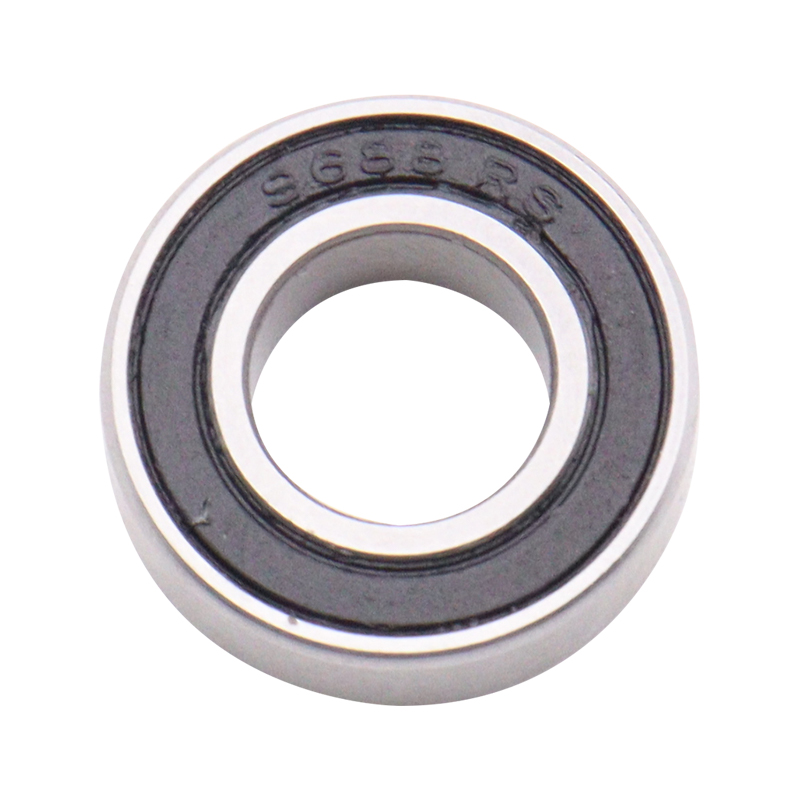
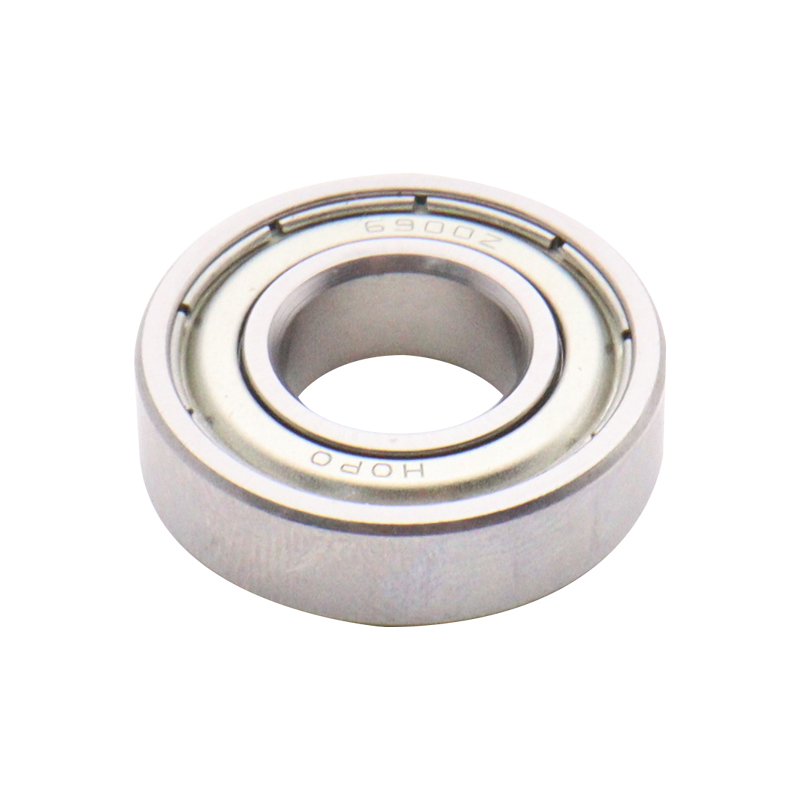
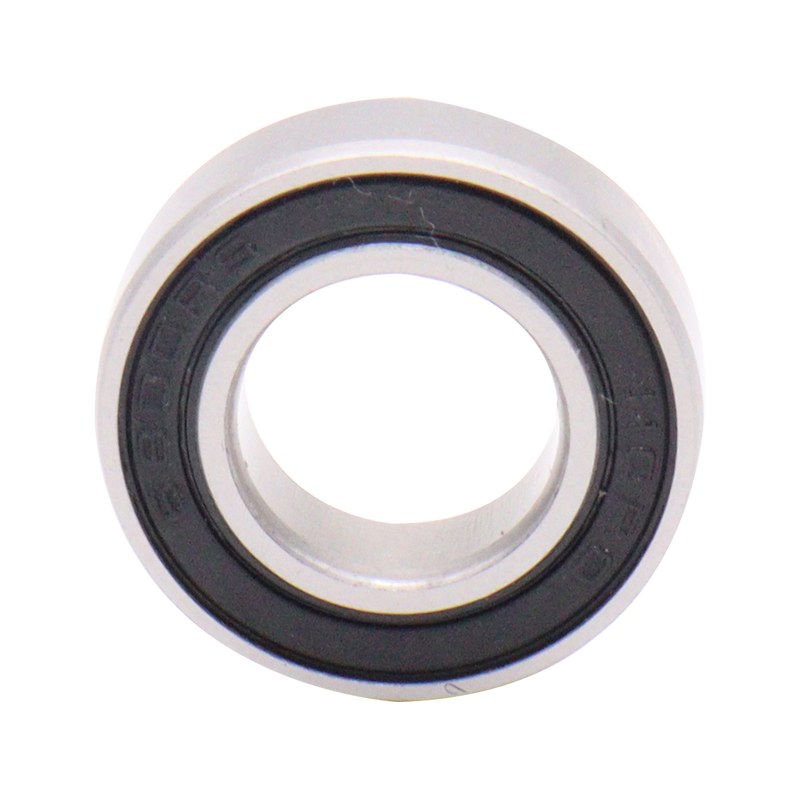
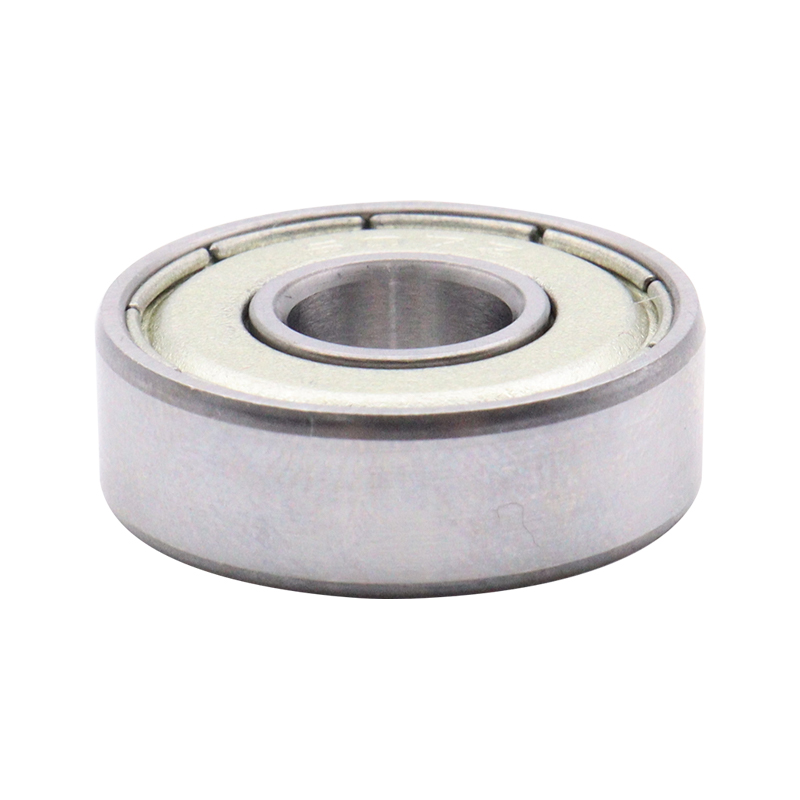
- Sealing and Shielding: In dusty or humid environments, bearings must be equipped with contact seals (RS/2RS) or non-contact shields (Z/ZZ) to prevent contamination and retain grease.
Root Causes of Bearing Failure and Prevention
Reliability is the cornerstone of B2B relationships in the bearing industry. Understanding why bearings fail allows manufacturers to improve their designs and provide better guidance to end-users. Research indicates that more than 50% of bearing failures are related to lubrication issues.
- Inadequate Lubrication: Without a proper film of oil or grease, metal-to-metal contact occurs, leading to wear and overheating.
- Contamination: Microscopic particles of dust or metal can enter the raceway, acting as an abrasive that destroys the smooth surface of the balls and rings.
- Misalignment: If the shaft and the housing are not perfectly aligned, the load is distributed unevenly, causing localized stress and rapid failure.
- Corrosion: Moisture or aggressive chemicals can cause oxidation on the bearing surfaces, which leads to pitting and noise.
To prevent these issues, it is essential to implement a rigorous maintenance schedule. Using high-quality seals and ensuring that the correct lubricant is used for the specific operating temperature will drastically extend the service life of the component.
Installation and Maintenance Best Practices
Proper installation is just as important as the quality of the bearing itself. Many bearings are damaged before they even begin to rotate due to improper handling.
- Cleanliness: Always keep the bearings in their original packaging until the moment of installation. A clean workspace is mandatory.
- Correct Tools: Use specialized mounting tools such as induction heaters or mechanical sleeves. Never strike a bearing directly with a hammer, as this can cause “Brinelling” (permanent indentations in the raceways).
- Shaft and Housing Inspection: Ensure that the mounting surfaces are within the specified tolerances. A fit that is too tight can eliminate internal clearance, while a fit that is too loose can cause the bearing ring to creep or spin in the housing.
By adhering to these standards, manufacturing plants can produce equipment that stands the test of time in the global market, reinforcing their reputation as reliable export partners.
Frequently Asked Questions (FAQ)
1. What is the difference between a shielded (ZZ) and a sealed (2RS) ball bearing?
A shielded bearing uses a metal plate to prevent large debris from entering while allowing for high speeds with low friction. A sealed bearing uses a rubber contact seal that provides much better protection against moisture and fine dust but creates more friction, slightly lowering the maximum speed.
2. Can I use a radial ball bearing for axial loads?
Deep groove ball bearings can handle moderate axial loads. However, if the axial load is high or is the primary force, an angular contact ball bearing or a thrust ball bearing should be used instead to prevent premature wear.
3. Why do my bearings get hot during operation?
Excessive heat is usually caused by over-lubrication (which causes churning), under-lubrication (friction), or an internal clearance that is too small for the operating temperature. It could also indicate that the bearing is being operated above its rated speed.
4. How often should industrial ball bearings be lubricated?
The interval depends on the speed, load, temperature, and environment. High-speed, high-temperature applications require more frequent lubrication. Manufacturers typically provide a formula or a chart to calculate the specific re-greasing intervals for their products.
5. Are ceramic bearings always better than steel ones?
Not necessarily. While ceramic bearings excel in high-speed, high-temperature, and corrosive environments, steel bearings are much more cost-effective and have a higher load-carrying capacity for heavy-duty, low-speed industrial applications.
References
- ISO 281:2007 - Rolling bearings - Dynamic load ratings and rating life.
- Harris, T. A., & Kotzalas, M. N. (2006). Essential Concepts of Bearing Technology. CRC Press.
- ABMA (American Bearing Manufacturers Association) - Standard 9: Load Ratings and Fatigue Life for Ball Bearings.
- NSK Technical Handbook: Introduction to Rolling Bearings and Selection Guide.
- SKF Group: Maintenance and Lubrication Best Practices for Industrial Applications.
Selected Bearing Display

 Download Catalog
