 English
 中文简体
中文简体 عربى
عربى
Contact Us




founded in 2006, is an enterprise focusing on the R&D, manufacturing, and customization of non-standard bearings, high-precision bearings (import substitution), and bearing accessories and mechanical parts. With more than 30 years of technical design experience, FTM has earned an excellent reputation in the field of high-quality bearings. Our professional technical team provides domestic and foreign customers with high-quality bearing solutions in engineering machinery, textile machinery, and other fields.
News Directory
Author: FTM
Date: Mar 08, 2026
Technical Article: The Comprehensive Guide to Selecting and Maintaining Insert Ball Bearings
Introduction to Insert Ball Bearings
Insert ball bearings, often referred to as Y-bearings, represent a critical component in the world of industrial machinery. Unlike standard radial bearings, insert bearings are designed with a spherical outer ring, allowing them to be mounted into corresponding housing units. This unique architecture facilitates automatic self-alignment, compensating for minor initial misalignments that frequently occur during machine assembly or due to shaft deflection under load. As a manufacturing specialist, understanding the nuances of these components is essential for optimizing the performance of equipment ranging from conveyor systems to complex agricultural machinery.
Core Design and Functional Principles
The fundamental design of an insert ball bearing consists of an inner ring, an outer ring with a spherical surface, a cage, and a set of rolling elements. The inclusion of seals on both sides is a hallmark of these units, providing essential protection against contamination while retaining internal lubrication. Because the outer ring is spherical, it fits perfectly into a housing with a hollow spherical seat. This configuration is the primary driver behind the bearing’s ability to maintain optimal contact geometry even when the shaft is not perfectly parallel to the housing axis.
Comparison Table: Insert Bearings vs. Deep Groove Ball Bearings
To assist in your procurement and application decisions, we have compiled a comparison of key features.
| Feature | Insert Ball Bearing | Deep Groove Ball Bearing |
|---|---|---|
| Outer Ring Shape | Spherical | Cylindrical |
| Self-alignment | High (within housing) | None |
| Mounting | Ease of installation (unit-based) | Requires interference fit/housing |
| Primary Use | Conveyors, Agricultural, HVAC | Electric Motors, Gearboxes |
| Installation Time | Minimal | Requires precision/tools |
Essential Locking Mechanisms
One of the most defining characteristics of insert ball bearings is the variety of methods used to secure the inner ring to the shaft. Choosing the right locking mechanism is vital for preventing vibration and ensuring long-term stability.
- Set Screw Locking: This is the most common method. The inner ring is extended on one or both sides and secured to the shaft using two set screws. It is ideal for applications involving frequent starting and stopping.
- Eccentric Collar Locking: This mechanism uses an eccentric cam on the collar that engages with an eccentric counter-bore on the inner ring. It provides a highly secure grip and is excellent for unidirectional rotation.
- Adapter Sleeve Locking: By using a tapered adapter sleeve, the bearing can be mounted on standard commercial shafts with higher precision, making it suitable for applications where higher speeds and shaft vibration are present.
Proper Maintenance and Lubrication Strategies
The longevity of an insert ball bearing is predominantly determined by its maintenance regime. Because these bearings often operate in harsh environments, such as dust-filled agricultural settings or high-moisture processing lines, lubrication management is non-negotiable.
Effective lubrication creates a film that prevents metal-to-metal contact. For most industrial insert bearings, high-quality, lithium-based complex grease is recommended due to its excellent mechanical stability and moisture resistance. Over-lubrication can be just as detrimental as under-lubrication, as it increases operating temperatures and internal friction. As a general industry rule, filling 30 to 50 percent of the bearing’s free space is ideal for most horizontal applications.
Common Failure Modes and Prevention
Even with high-quality engineering, premature failure can occur. Identifying the root cause is essential for process improvement.
- Contamination: If abrasive particles penetrate the seal, they act as grinding agents, accelerating wear. Regular inspection of the seal integrity is the first line of defense.
- Improper Mounting: Forcing a bearing onto a shaft without proper support can lead to internal damage before the machine even starts. Ensuring a clean, aligned mounting surface is critical.
- Fatigue (Spalling): This occurs when a bearing reaches its calculated life limit or is subjected to loads consistently above its rating. Choosing the correct duty cycle (Normal vs. Medium vs. Heavy) during the specification phase is the most effective prevention strategy.
Conclusion
Insert ball bearings are versatile, reliable, and efficient solutions for a vast array of industrial applications. By focusing on the correct selection of locking mechanisms, strictly adhering to lubrication schedules, and understanding the environmental demands of your specific machinery, you can significantly enhance the operational life and reliability of your equipment. Investing time in the correct bearing architecture today will lead to reduced downtime and lower long-term costs tomorrow.
FAQ
- What is the primary benefit of the spherical outer ring in an insert ball bearing?
The spherical outer ring allows the bearing to align itself within the housing, compensating for shaft misalignment or mounting errors during installation. - How often should I relubricate my insert ball bearings?
Lubrication intervals depend on speed, temperature, and environment. Generally, check your equipment manual, but monitor for heat and noise as primary indicators that relubrication is required. - Can I replace a standard deep groove bearing with an insert ball bearing?
Generally, no. Insert ball bearings require a housing with a spherical seat. Simply dropping an insert bearing into a cylindrical housing will not provide the intended benefits and could lead to failure. - Which locking mechanism is best for high-vibration applications?
The adapter sleeve locking mechanism is typically preferred for high-speed or high-vibration applications, as it provides a more uniform fit around the entire circumference of the shaft. - Why do my bearings overheat shortly after I add grease?
This is often a symptom of over-lubrication. Excessive grease creates internal drag and pressure, causing the bearing to work harder and generate heat.
References
- Rolling Bearing Handbook: Principles and Applications for Mechanical Engineers.
- ISO 9628:2006, Rolling bearings - Insert bearings and eccentric locking collars - Boundary dimensions and tolerances.
- Industrial Maintenance Manual for Rotating Equipment, 5th Edition.
- Lubrication Engineering Practices for Sealed Rolling Elements.
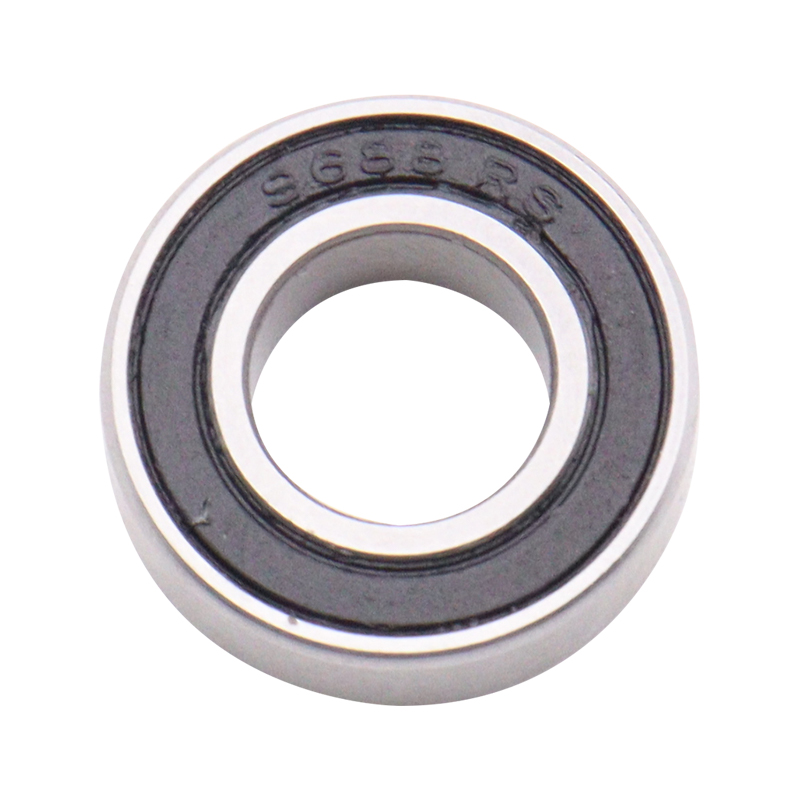
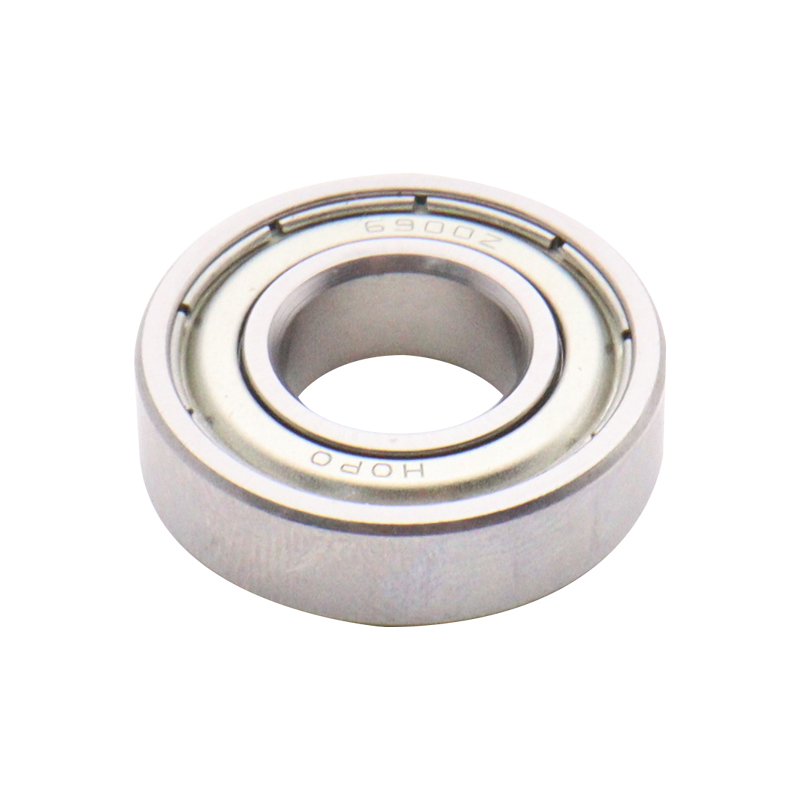
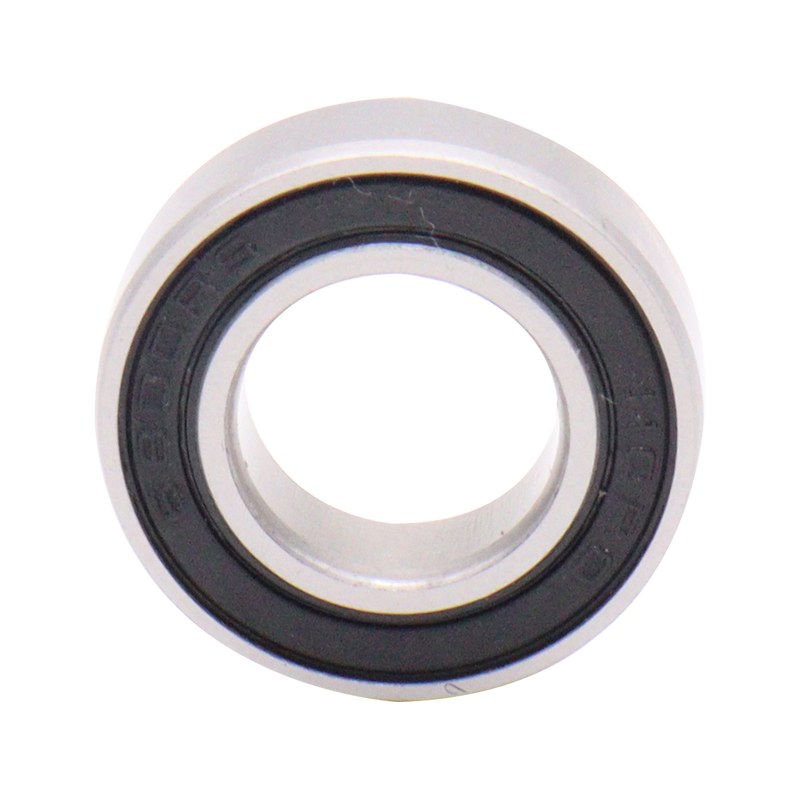
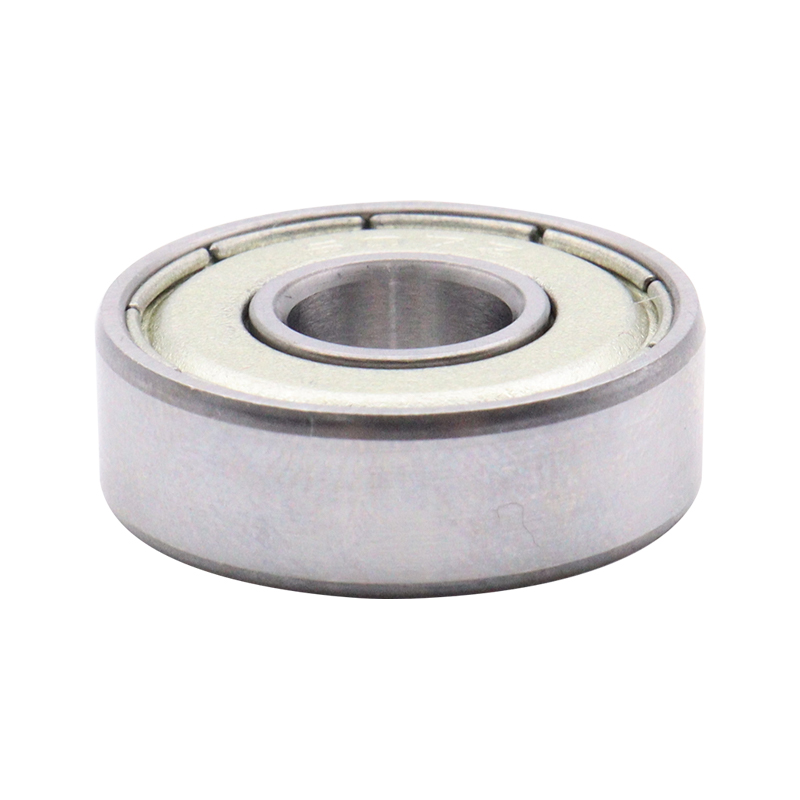
Selected Bearing Display

 Download Catalog
