The plastic bearing cage is a critical component within a rolling bearing, designed to separate the rolling elements (balls or rollers) and guide them to ensure uniform load distribution and smooth operation. By utilizing advanced polymer materials, our plastic cages impart the inherent advantages of plastic onto the bearing assembly, enabling superior performance where traditional metal cages are constrained.
KEY ADVANTAGES AND FEATURES
| Feature Category |
Benefit and Application |
FTMs Expertise Advantage |
| Weight Reduction |
Significantly lower overall weight compared to brass or steel cages, contributing to reduced rotational inertia, lower energy consumption, and suitability for high speed applications where centrifugal forces are a concern. |
Non Standard and Customization Focus: We select the optimal high performance polymer (e g PA66 GF, PEEK, PTFE) to achieve maximum weight savings while meeting mechanical strength requirements. |
| Operational Performance |
Inherently low friction and noise generation, resulting in smoother, quieter bearing operation. Excellent for applications requiring minimal acoustic output. |
High Precision Manufacturing: Utilizing advanced injection molding techniques and precise tooling to ensure impeccable dimensional stability and surface finish, guaranteeing quiet running. |
| Corrosion Resistance |
Excellent resistance to moisture, chemicals, weak acids, and alkaline environments. Ideal for submerged, wash down, or chemically exposed working conditions. |
Material Science Integration: Deep understanding of polymer degradation and chemical compatibility, allowing us to specify cages that thrive in your unique corrosive media. |
| Lubrication and Thermal |
Self lubricating properties (especially with certain materials like PTFE composites) reduce the need for external grease or oil. Lower thermal conductivity can help insulate critical components. |
Technical Design Experience: Our 30 years of engineering ensures the cage pocket design facilitates optimal lubricant flow and retention, enhancing bearing life. |
FTM MANUFACTURING EDGE
As an enterprise focusing on R and D and customization of non standard and high precision bearings, FTM brings unique value to your plastic cage requirements:
- Engineering and Customization: We dont just manufacture; we engineer. Our decades of technical design experience allow us to develop fully customized cage geometries and material selections to replace existing components (import substitution) or solve specific application challenges.
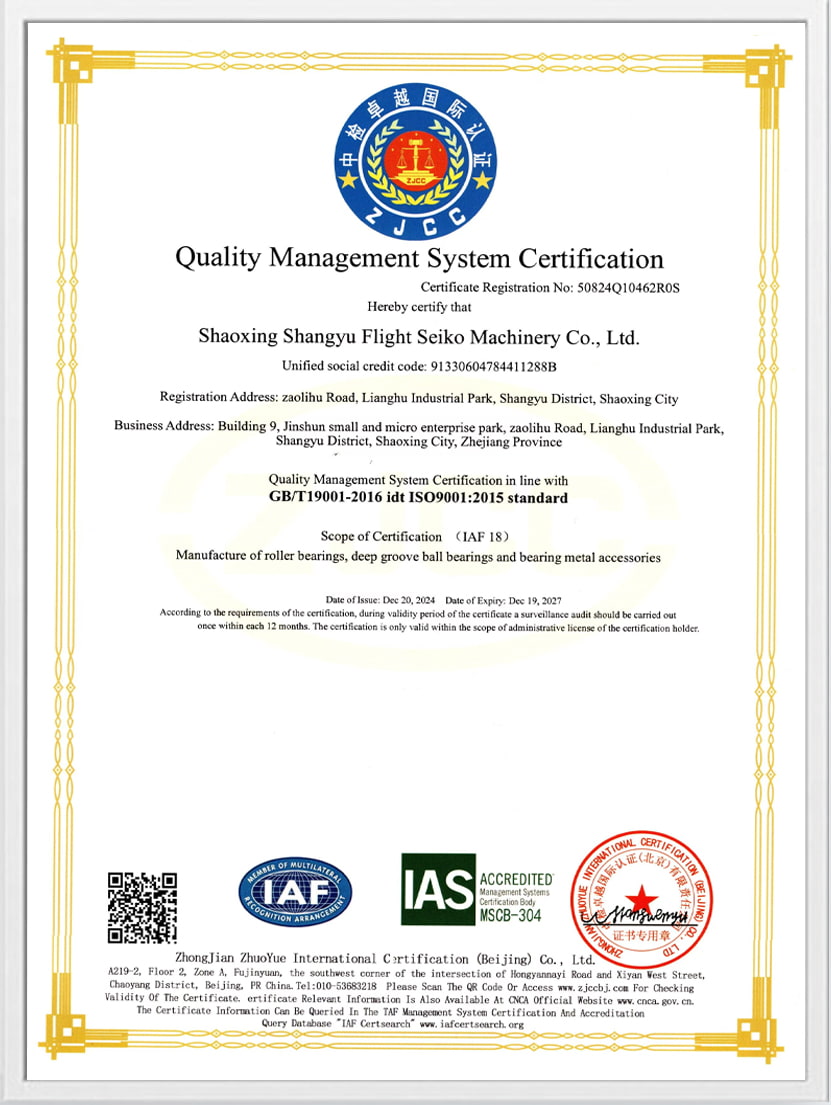
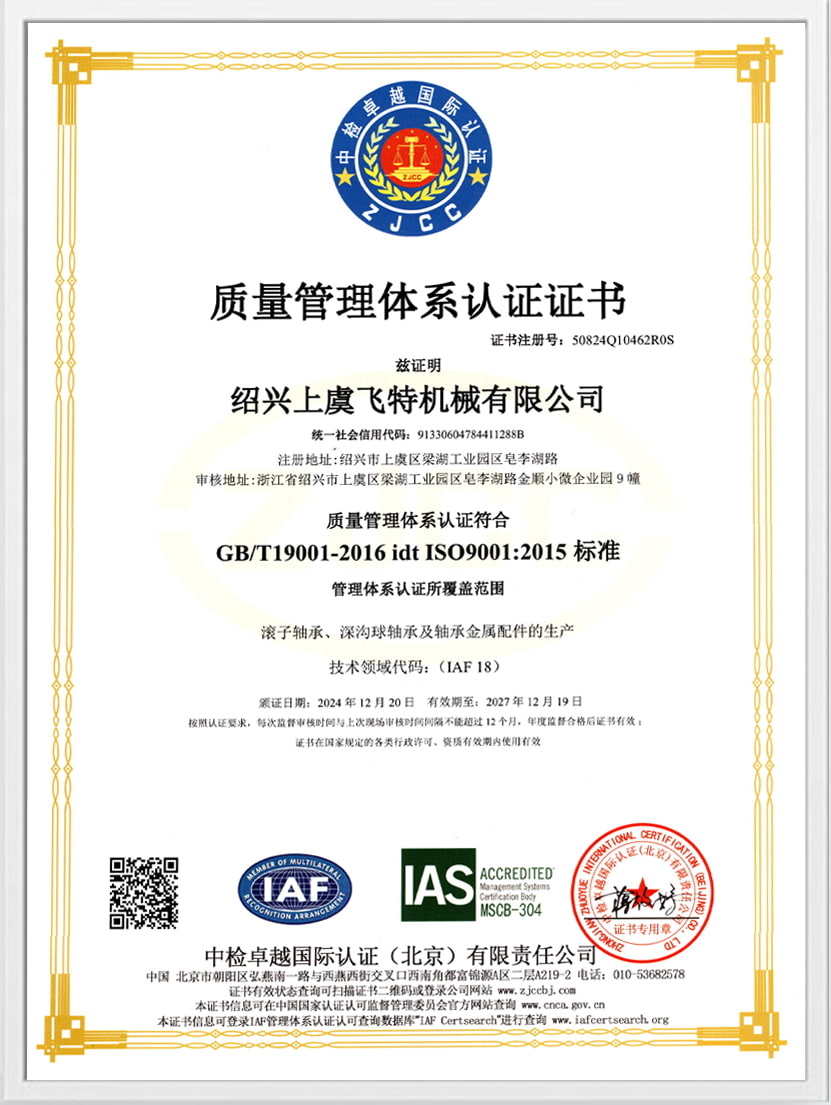
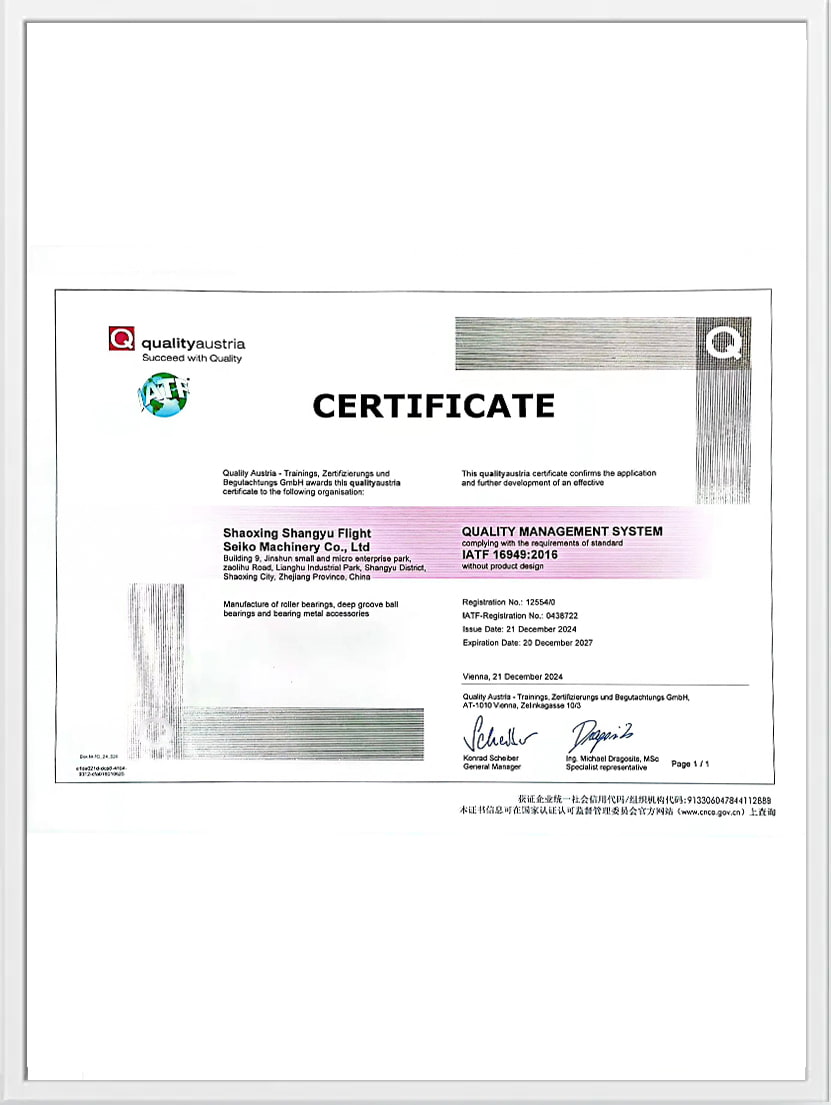
- Quality Assurance: Utilizing the same rigorous quality standards applied to our high precision metal bearings, we ensure our plastic cages meet stringent tolerance specifications for form, fit, and function.
- Material Versatility: We work with a wide range of engineering plastics—from general purpose PA66 (Polyamide 66) for standard uses to advanced polymers like PEEK for extreme high temperature and chemical environments.
TYPICAL APPLICATIONS
Plastic bearing cages are highly effective in specialized applications such as:
- Food and Beverage Processing: Requiring frequent wash downs and resistance to cleaning agents.
- Medical Equipment: Requiring low noise and non magnetic properties.
- Textile Machinery: High speed operation where weight and inertia reduction are critical.
- Wet or Submerged Environments: Where metal corrosion is a significant threat.
FREQUENTLY ASKED QUESTIONS (FAQ)
Here are five common questions regarding the use and specification of FTMs Plastic Bearing Cages:
1. What materials do you commonly use for plastic bearing cages?
We primarily use PA66 (Polyamide 66), often reinforced with glass fiber (GF) for enhanced mechanical strength and thermal stability. For demanding applications, we utilize advanced polymers such as PEEK (Polyether Ether Ketone) for high temperature resistance, excellent wear characteristics, and superior chemical inertness, and PTFE (Polytetrafluoroethylene) for very low friction and self lubrication.
2. What are the main limitations of plastic cages compared to steel or brass cages?
The primary limitations are a lower maximum operating temperature and reduced ultimate mechanical strength and stiffness. Plastic cages are not suitable for extremely high load or extremely high temperature conditions where advanced metal cages are required. However, for most moderate load, high speed, or chemically challenging environments, plastic cages offer superior overall performance.
3. Can FTM supply plastic cages for existing or non standard bearing dimensions?
Yes. Specializing in non standard bearings and import substitution, FTM excels at custom tooling and injection molding. We can design and manufacture plastic cages for unique or obsolete bearing dimensions based on your specifications or samples.
4. How does the thermal expansion of the plastic cage affect bearing performance?
Plastic materials have a higher coefficient of thermal expansion than steel. Our engineering team accounts for this in the design phase by adjusting the cages running clearances and pocket tolerances to ensure optimal function across the specified operating temperature range, preventing binding or excessive play.
5. What is the maximum operating temperature for your standard glass fiber reinforced PA66 cages?
For standard glass fiber reinforced PA66 (PA66 GF), the continuous maximum operating temperature is typically around 120 degrees Celsius (250 degrees Fahrenheit), with intermittent spikes potentially higher. For applications exceeding this, we recommend upgrading to PEEK material, which can handle temperatures up to 250 degrees Celsius (480 degrees Fahrenheit).




 English
 中文简体
中文简体 عربى
عربى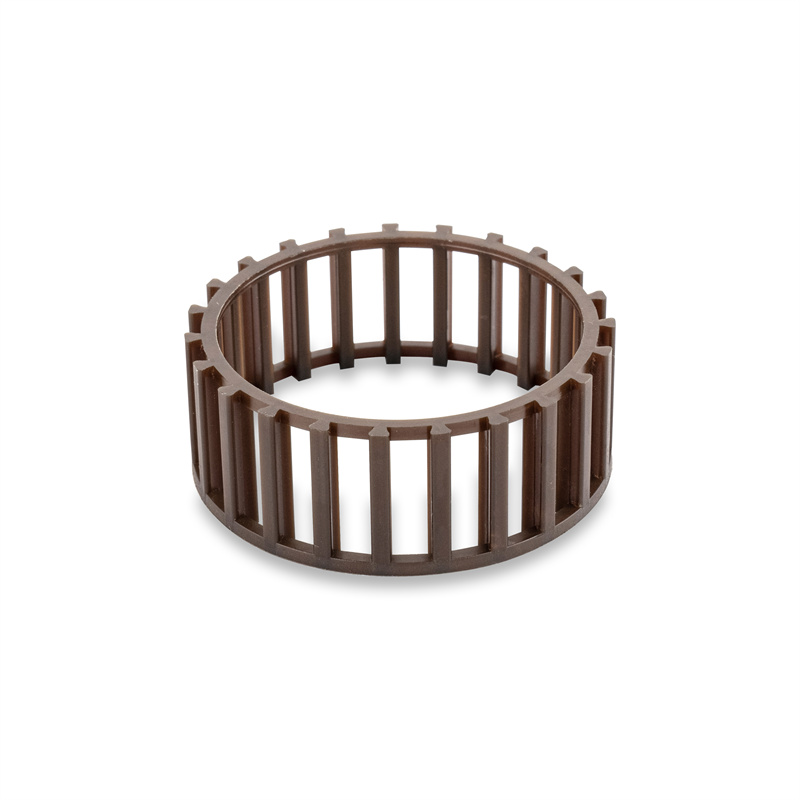



 Download Catalog
