Custom Bearing Rubber Seals: Precision Protection for Enhanced Durability
At Shaoxing Shangyu Flight Seiko Machinery (FTM), we understand that the longevity of a high-precision bearing often depends on the quality of its smallest components. Our Custom Bearing Rubber Seals serve as a critical flexible barrier, meticulously engineered to press-fit into the outer ring and provide an airtight shield for internal rolling elements.
By utilizing advanced synthetic rubber compounds, these seals perform two vital functions: they lock essential lubricants inside the raceway to prevent dry-running and act as an impenetrable defense against external contaminants like fine dust, abrasive grit, and moisture. In demanding environments—such as textile machinery prone to fiber buildup or construction equipment exposed to the elements—a high-quality seal is the difference between consistent performance and premature failure.
Why Choose FTM for Your Sealing Solutions?
Leveraging over 30 years of technical design expertise, FTM goes beyond standard off-the-shelf options. We specialize in the R&D and customization of non-standard seals, allowing us to adjust the size, shape, and thickness to meet the specific torque and temperature requirements of your application. Whether you need low-friction seals for high-speed rotation or reinforced barriers for heavy-duty mechanical parts, our technical team provides bespoke solutions that ensure your bearings achieve their maximum theoretical service life.
Frequently Asked Questions
1. What materials are typically used for custom bearing rubber seals
Most seals are manufactured from Nitrile Butadiene Rubber (NBR) due to its excellent resistance to oils and wear. However, for specialized applications involving high temperatures or chemical exposure, FTM can provide seals made from Fluorocarbon (FKM) or other high-performance elastomers.
2. Can FTM customize seal thickness for non standard bearing housings
Yes. One of our core strengths is the manufacturing of non-standard components. We can adjust the radial thickness and axial width of the seal to ensure a perfect interference fit, even in customized or import-substitution bearing projects.
3. How do rubber seals compare to metal shields
While metal shields are excellent for high-speed applications with low friction requirements, rubber seals provide a much higher level of protection against liquids and fine particles. Rubber seals are contact-based, meaning they offer a superior physical seal that is ideal for harsh or outdoor environments.
4. How does a custom seal help in reducing maintenance costs
By preventing the ingress of contaminants and reducing grease leakage, our seals extend the interval between maintenance cycles. This reliability reduces downtime in critical machinery, particularly in sectors like engineering and industrial manufacturing.
5. Does FTM provide technical support for selecting the right seal design
Our professional technical team works directly with clients to analyze their specific working conditions. We help determine the optimal sealing pressure and material compatibility to ensure the seal does not interfere with the bearing’s rotational efficiency while still providing maximum protection.




 English
 中文简体
中文简体 عربى
عربى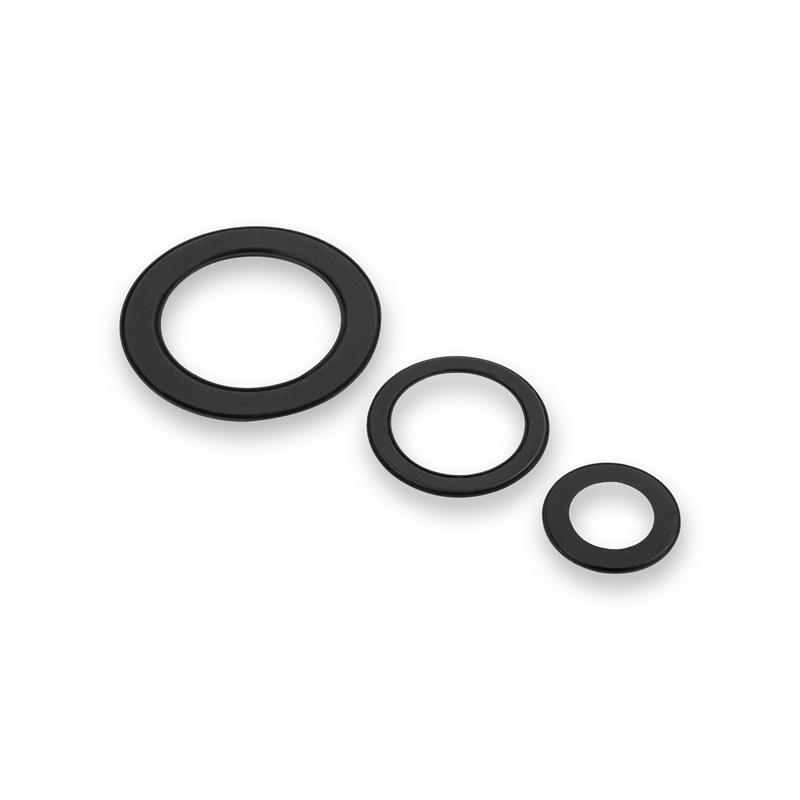



 Download Catalog
