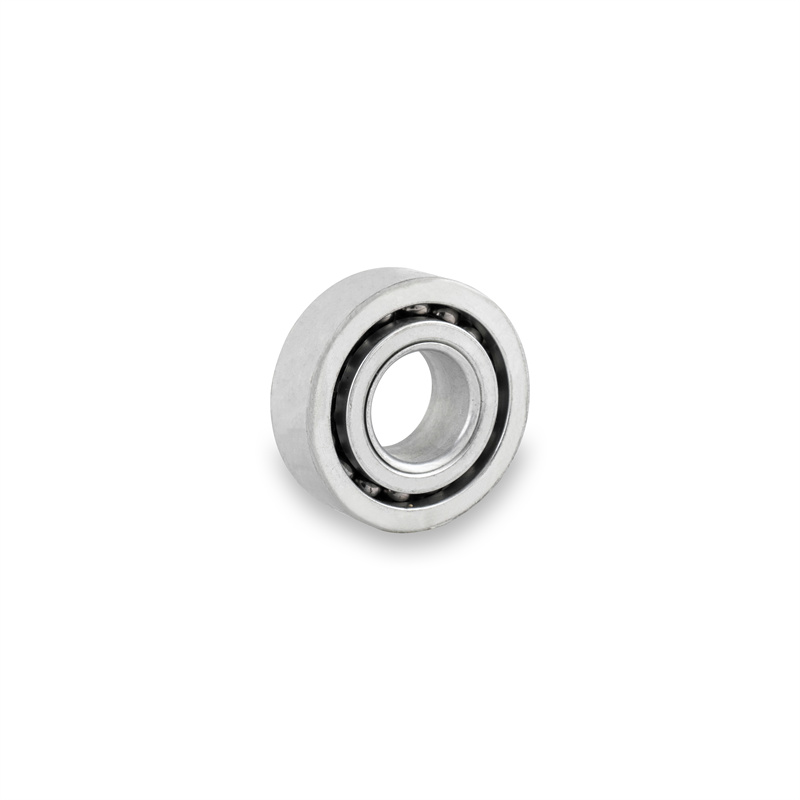
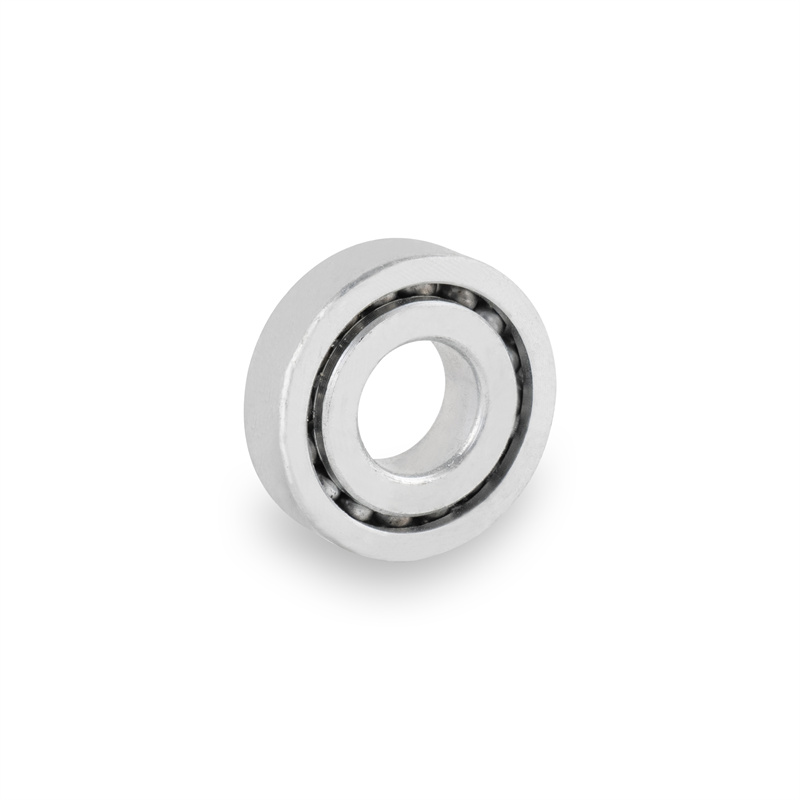
The unground bearing without a flange is a highly versatile and cost-effective mechanical component designed for applications where functional reliability is required without the premium cost of precision-ground finishes. Unlike standard precision bearings that undergo rigorous final grinding to achieve micron-level tolerances, unground bearings are manufactured through a streamlined process. This makes them an ideal choice for high-volume industrial needs that prioritize economic efficiency and robust performance in low-to-moderate speed environments.
By eliminating the mounting flange, these bearings offer a sleek, cylindrical outer diameter. This design provides engineers with greater flexibility in housing integration, allowing for press-fit installations or customized mounting configurations that flanged alternatives cannot accommodate.
Technical Specifications and Comparison
Understanding the distinction between unground and precision-ground components is essential for selecting the right part for your machinery. Below is a comparison to help guide your engineering decisions.
| Feature |
Unground Bearing (Non-Flanged) |
Precision Ground Bearing |
| Surface Finish |
Machined or cold-rolled raceways |
Micro-ground and polished |
| Tolerance Level |
Moderate (Standard industrial grade) |
High (ABEC 1 to ABEC 9) |
| Load Capacity |
Optimized for light to medium loads |
Designed for high-stress loads |
| Speed Rating |
Low to moderate RPM |
High-speed rotation |
| Cost Efficiency |
Extremely High (Budget-friendly) |
Premium Pricing |
| Common Use |
Conveyors, casters, textile rollers |
Aerospace, high-end robotics |
Why Choose FTM for Your Bearing Solutions
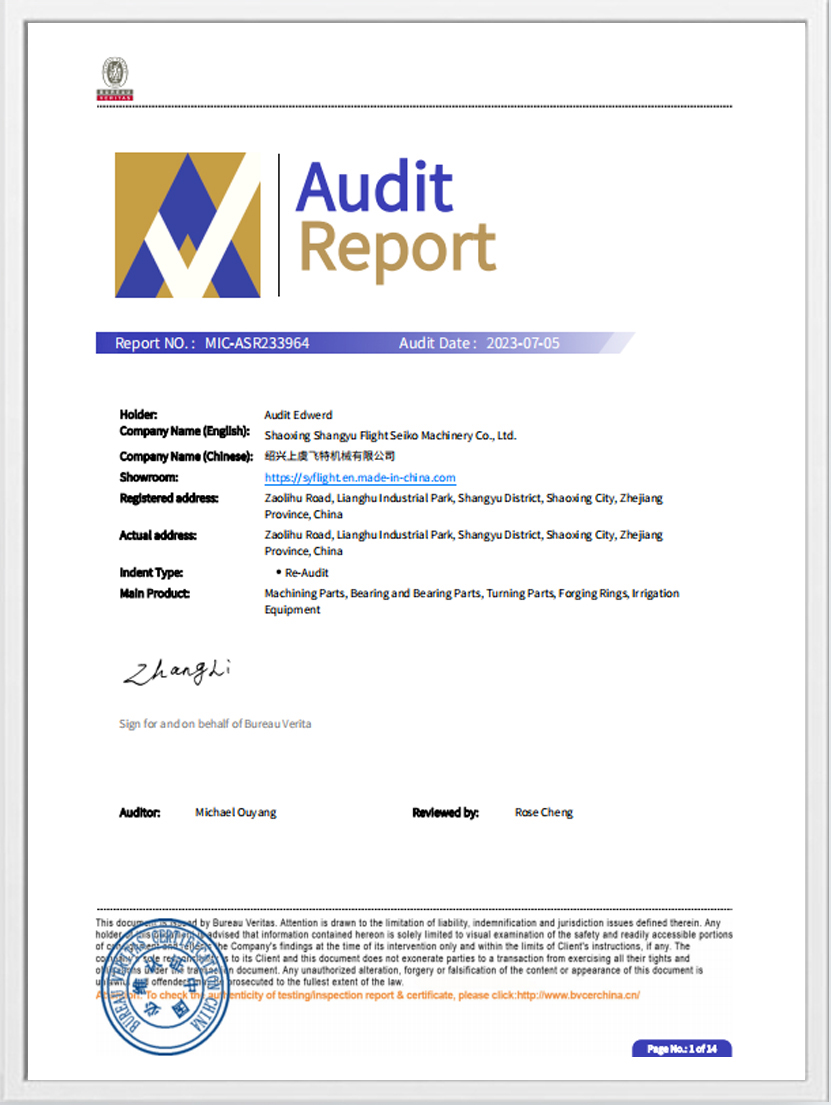
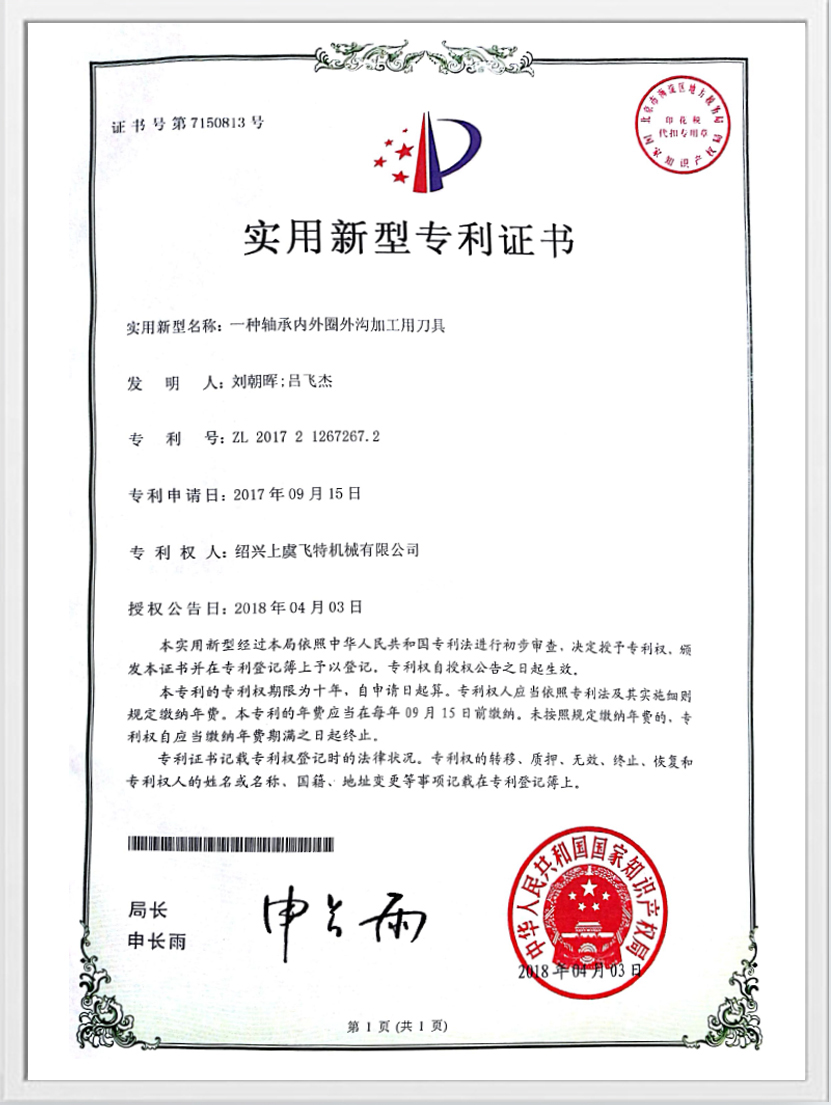
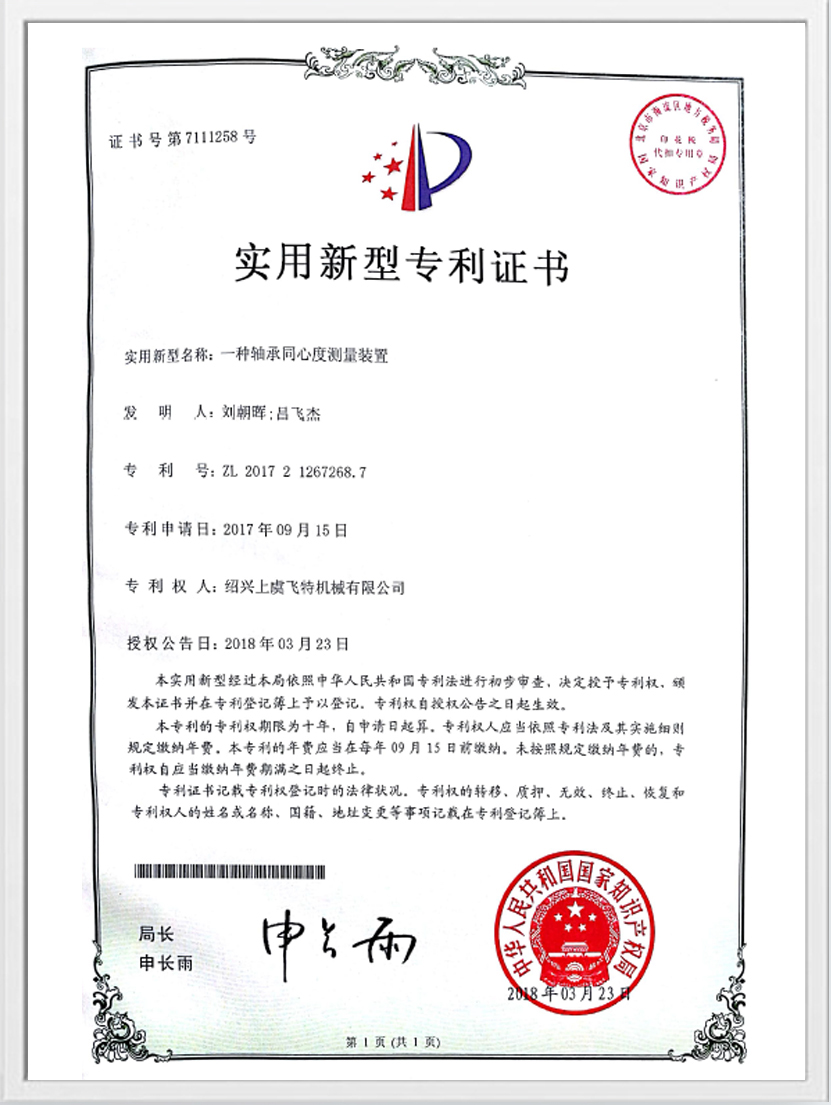
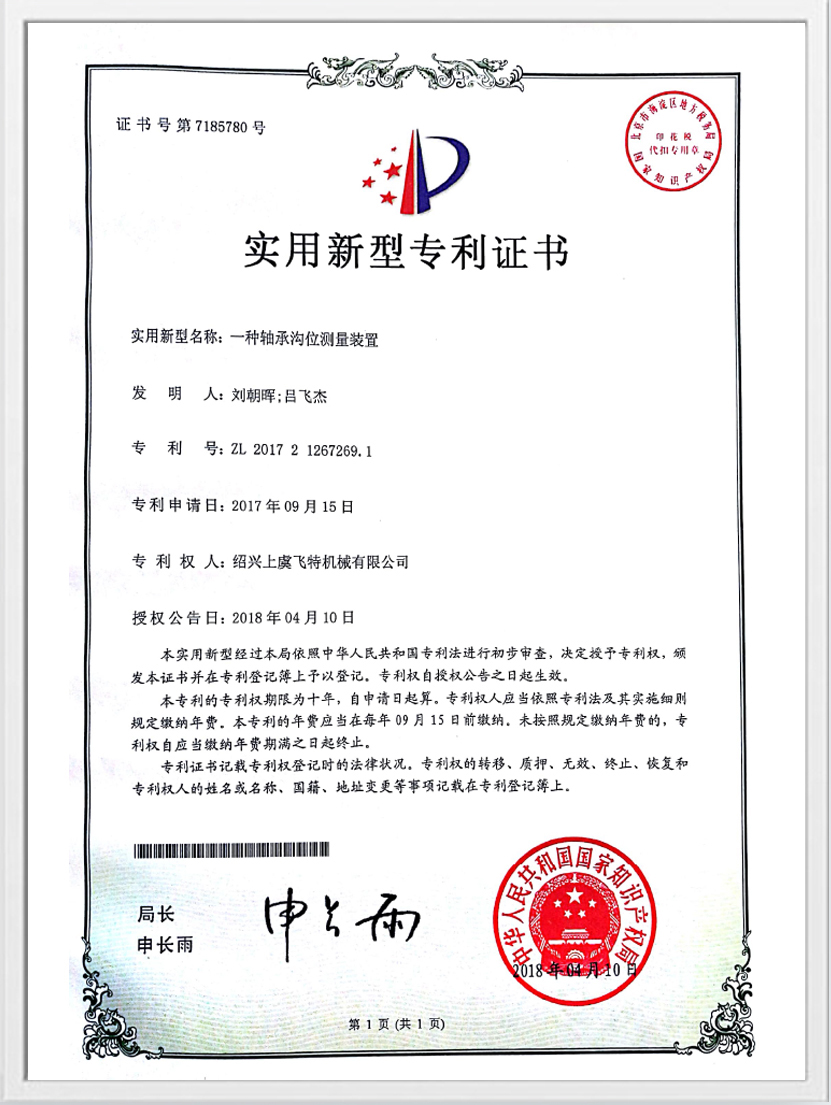
With over 30 years of technical design expertise, Shaoxing Shangyu Flight Seiko Machinery Co., Ltd. (FTM) bridges the gap between cost-effectiveness and industrial reliability. Our advantages include:
- R and D Excellence: We specialize in non-standard bearing customization. If a standard catalog item does not fit your specific engineering machinery or textile equipment, our team designs a bespoke solution tailored to your dimensions.
- Import Substitution Capability: FTM focuses on developing high-precision alternatives that match the performance of imported brands, ensuring local supply chain security and reduced lead times.
- Material Integrity: Despite being unground, we utilize high-grade raw materials and advanced heat treatment processes to ensure that the structural integrity and longevity of the bearing exceed market standards for unground products.
- Application-Specific Design: We leverage our deep experience in engineering and textile machinery to optimize internal clearances and lubrication types based on your specific environmental conditions.
Frequently Asked Questions (FAQ)
1. What are the primary benefits of choosing an unground bearing over a ground one
The primary benefit is cost reduction. In applications like gravity conveyors or manual sliding systems where high-speed precision is not required, unground bearings provide the necessary mechanical rotation at a fraction of the cost of ground alternatives.
2. Can these bearings be customized for specific dimensions
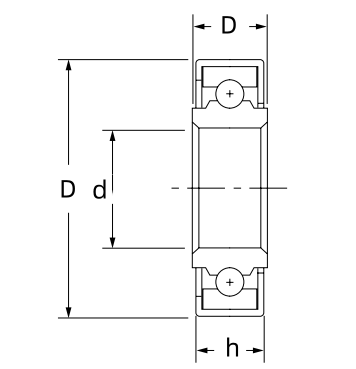
Yes. As a specialist in non-standard bearings, FTM can adjust the inner diameter, outer diameter, and width of unground bearings to meet your specific mechanical drawings, even for low-volume production runs.
3. Why would I choose a bearing without a flange
A non-flanged bearing allows for a smooth, flush installation within a housing. This is particularly useful when the assembly requires the bearing to be submerged within a part or when the mounting surface must remain unobstructed.
4. What industries typically use unground bearings without flanges
These are widely utilized in textile machinery, material handling systems, overhead door tracks, agricultural equipment, and various consumer goods where moderate load and speed are the standard operating parameters.
5. How does FTM ensure quality for unground products
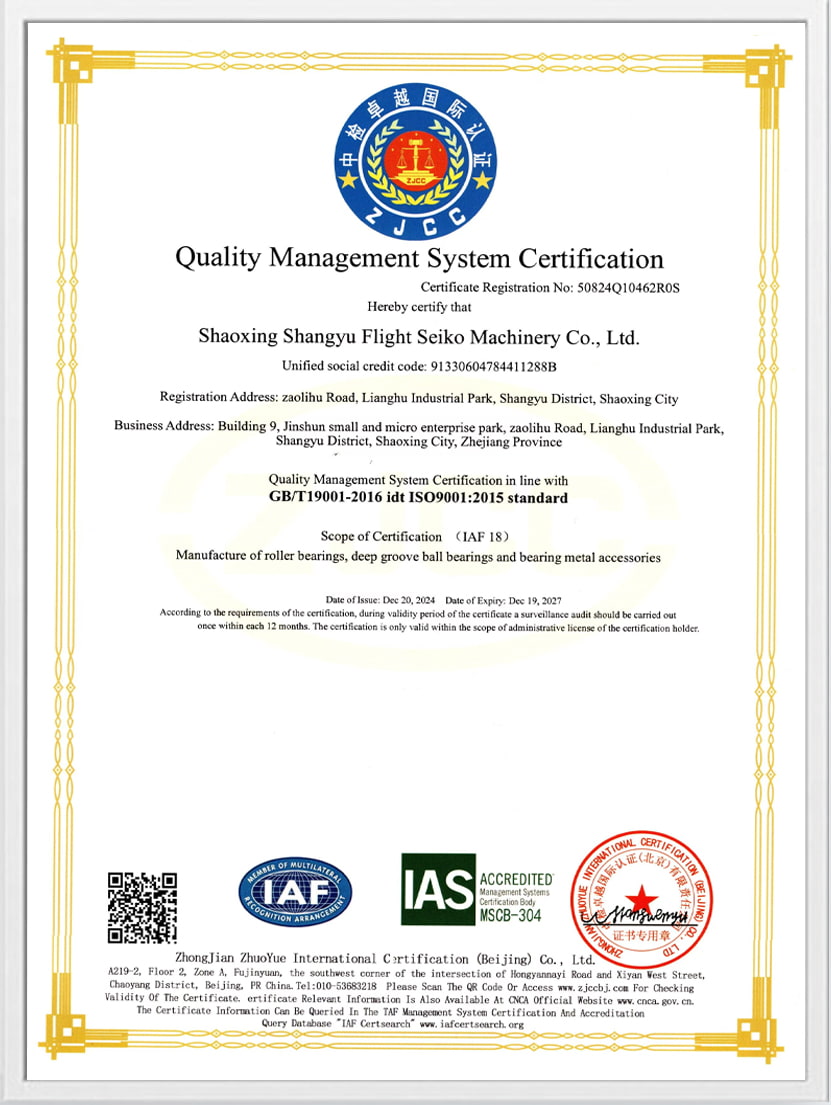
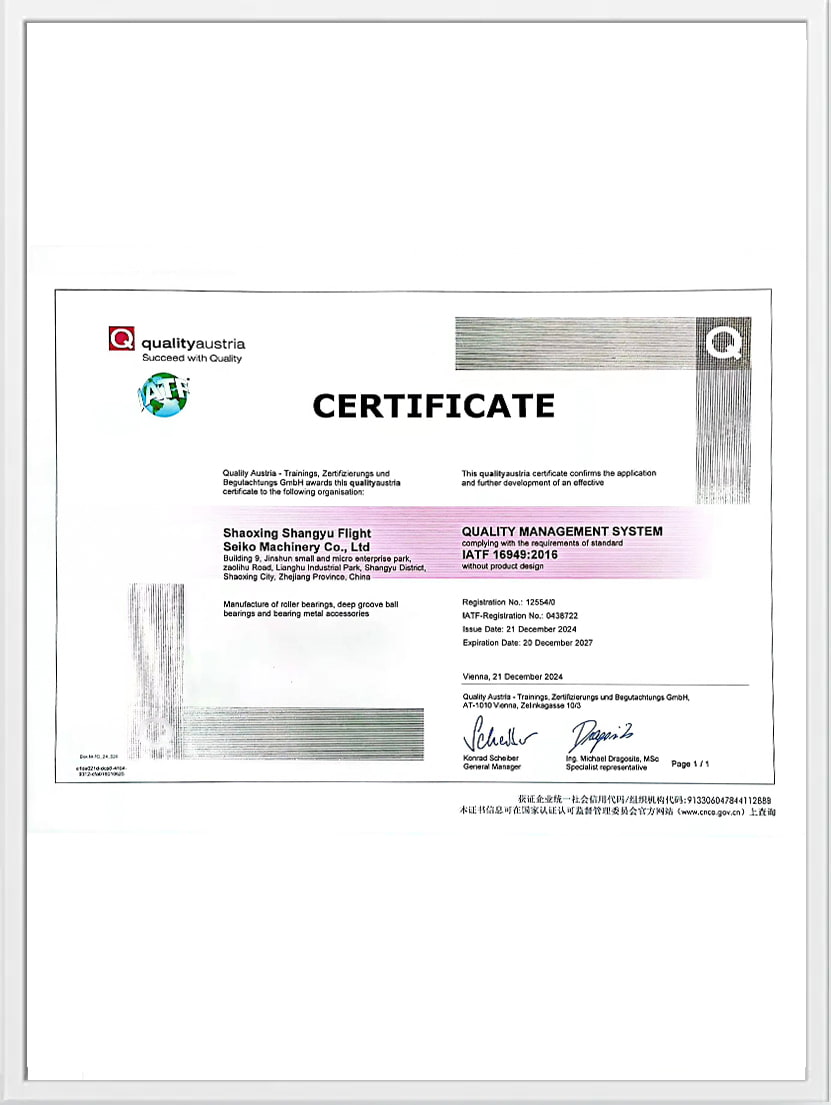
Quality control at FTM is not limited to surface finish. We perform rigorous checks on material hardness, dimensional consistency, and internal ball fitment to ensure that every unground bearing provides smooth, reliable operation throughout its service life.




 English
 中文简体
中文简体 عربى
عربى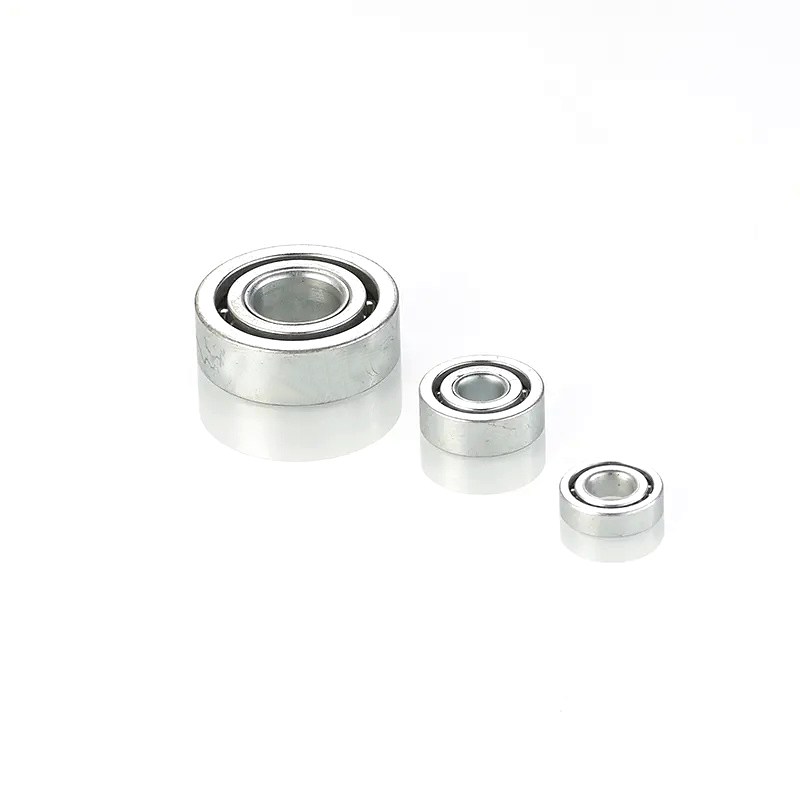



 Download Catalog
